
 Family photoshoots can get…extremely chaotic.
Between booking a session, coordinating outfits, getting everyone out the door on time, and wondering if the children will cooperate, it’s completely normal to feel a little overwhelmed and uncertain.
That’s not all; you’ll even find yourself asking the same questions:
Will an hour be enough?
What happens if my child has a meltdown?
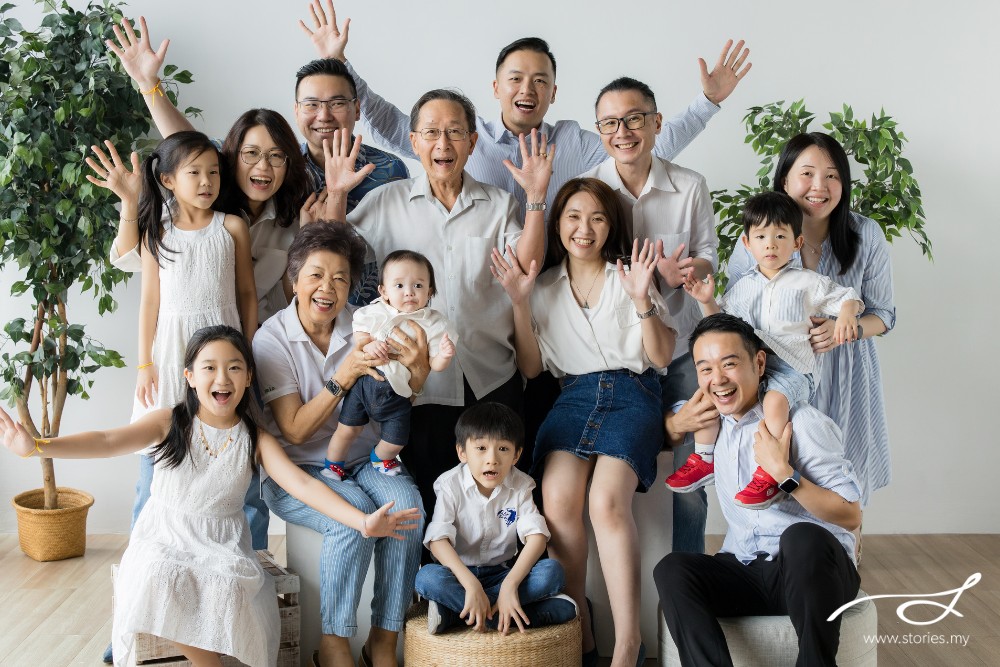
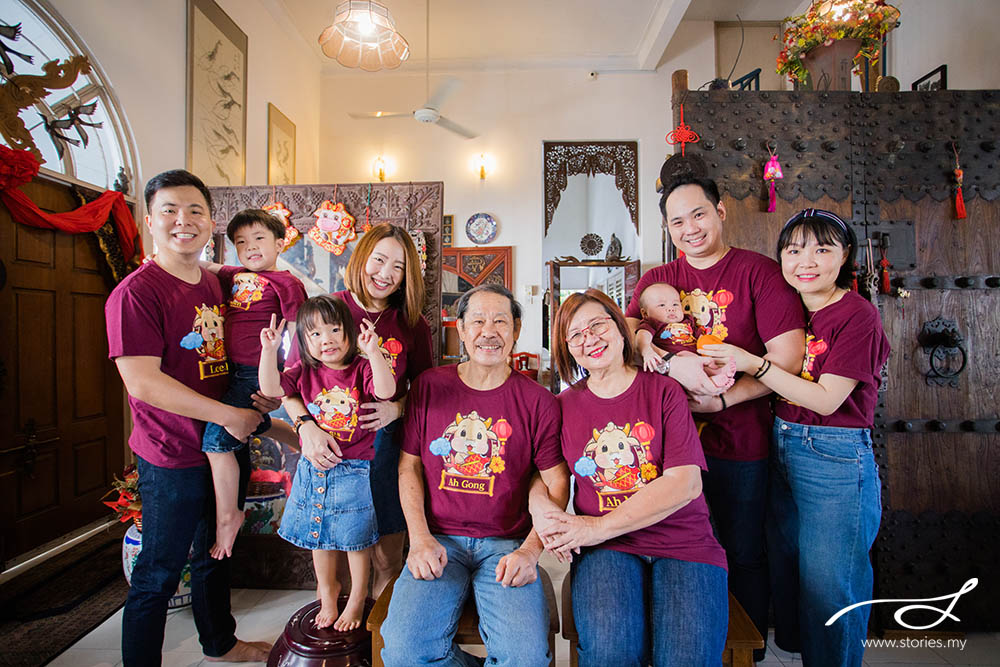
How will the photographers manage my large family?
Will the photos turn out the way I want?
The good news is that, with us, a family photoshoot is far less stressful than most people think. A lot of planning takes place long before the shoot, and we’ll guide you through every stage. Here’s everything you should expect, from the initial enquiry to the last photo taken.
Before the family photoshoot even starts
Preparation begins the moment you reach out to enquire about a session. One of the first things we’ll discuss is the size of your family, as it helps determine the duration of the photoshoot.
Why? Well, smaller families (two to four members) may only need 30 minutes, while larger groups (five or more members) often require more time, typically an hour to two, and sessions rarely go beyond that. However, if you require a shoot that involves several outfit changes or have chosen a location that involves a lot of walking, it may take longer — even if you’re a family of four.
Once your booking is confirmed, we’ll send over a questionnaire and preparation guide to help us get to know your family better and ensure the session runs smoothly.
Some questions we’ll include in the questionnaire are:
– How many children will be participating? Do your children have any special needs we should be aware of?
– Tell us about yourself and your family.
– Do you have any specific requests, ideas you’d like to execute, or props you’ll be bringing?
– Please describe the outfits you’ve chosen for the session (formal, casual, colours, etc).
– We’ll also ask about special needs requirements or anything that could help us create a comfortable environment.
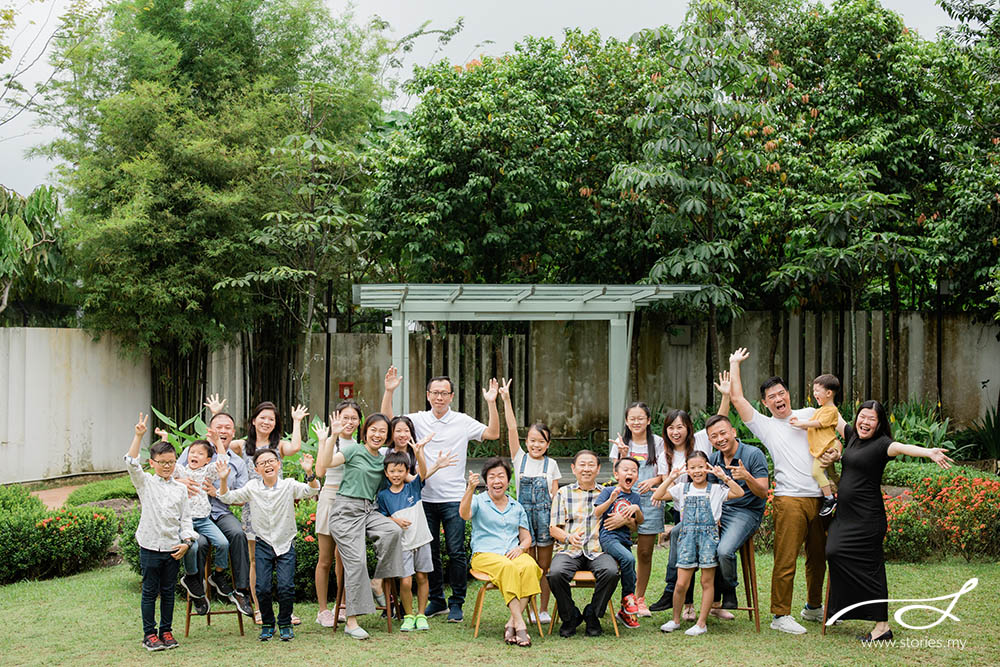
For example, if a family of 15 is attending, it’s useful for us to know how everyone is connected and how you’d like the group photos organised. With all this information, we’ll be able to plan ahead so that everyone spends less time figuring things out on the day itself.
The first few minutes of the session
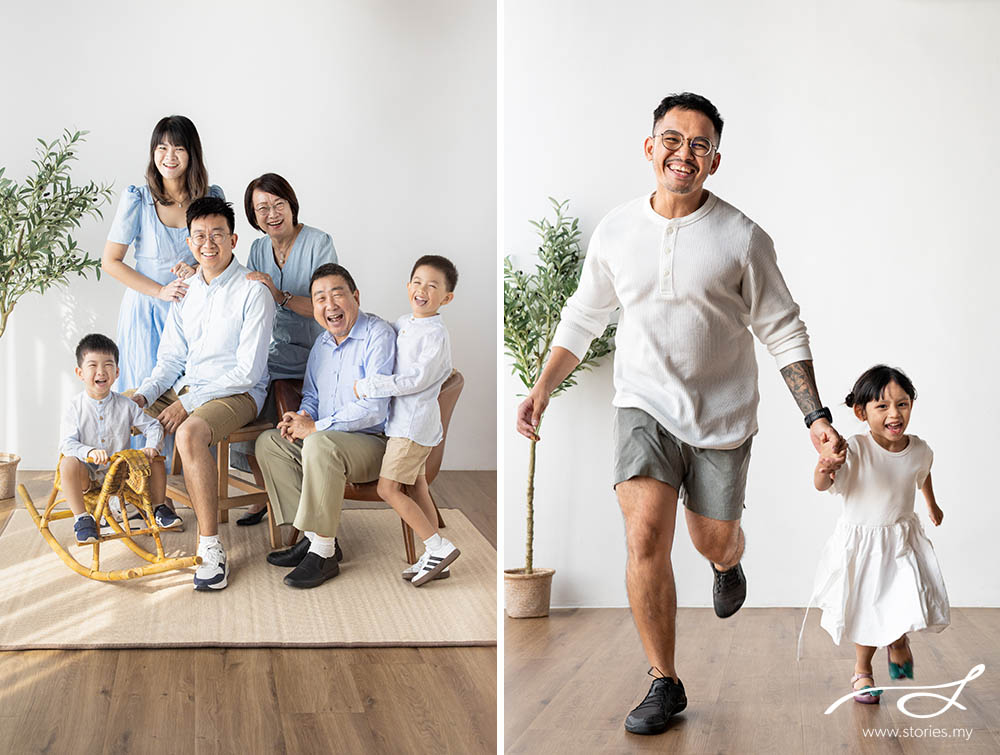
The day of your family photoshoot has arrived. Your session starts at 12 p.m., but rather than rushing in right on the dot, it’s always best to arrive about 15 minutes early. By this point, you’ve spent the entire morning getting everyone dressed and double-checking that nobody has forgotten anything important — it’s basically chaos.
Arriving early will give your family some time to wind down and get used to your environment. At the same time, our photographer will take a few minutes to chat with your family — to get acquainted and understand the dynamics between each member. If your family photoshoot is taking place outdoors or at home, our photographer will usually arrive earlier to assess the location, understand the space, identify the best spots, and determine how to make the most of it.
The first part of the photoshoot — traditional family portraits
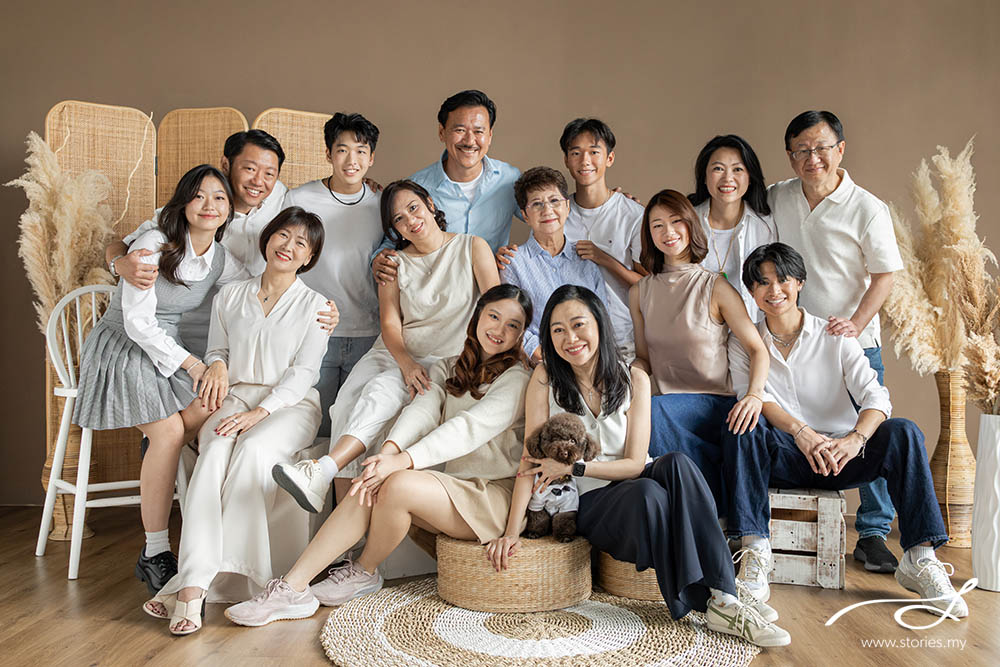
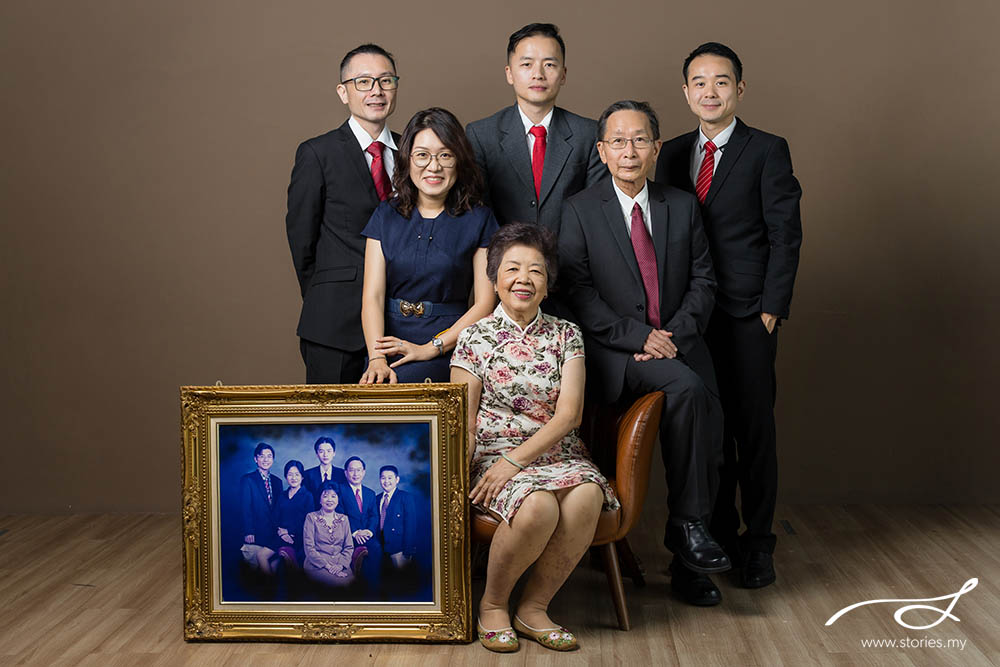
Once the photoshoot begins, we’ll typically start with the more traditional family photographs. For large families, these group portraits are usually done first while everyone’s attention is fresh. For those with children, this is key, as they’re usually willing to listen during the opening part of the session, as they are curious when entering a new environment.
If you’ve already provided a shot list, we’ll take it into consideration and will advise accordingly. Basically, we’ll go according to the flow of what we think works best, based on the situation of the shoot. For example, we may try to photograph the families with the youngest children first, and adult-only photos will come last.
The second part of the photoshoot — candid moments
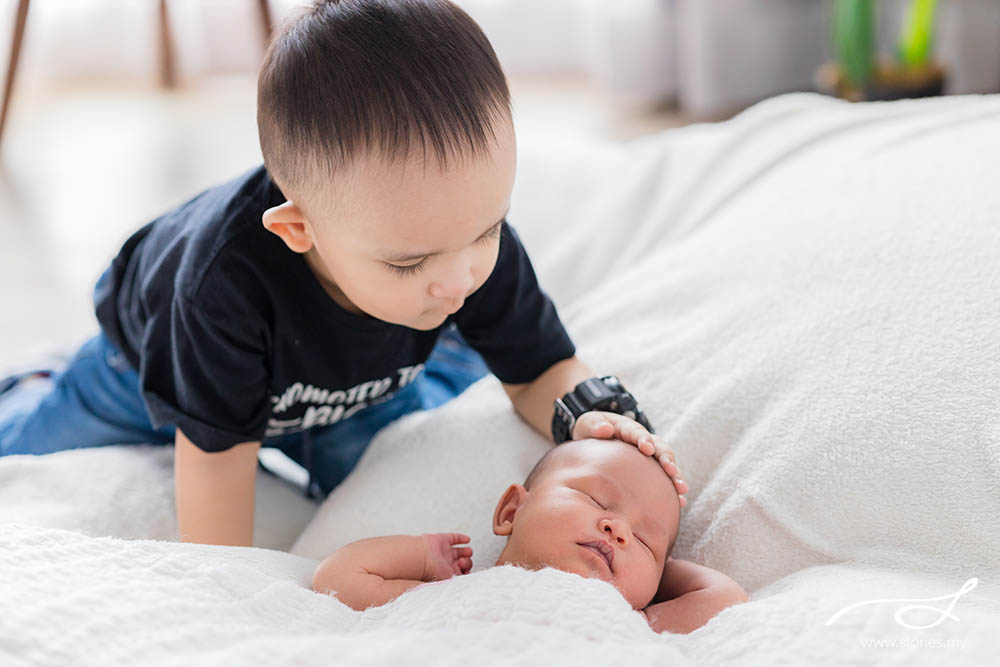
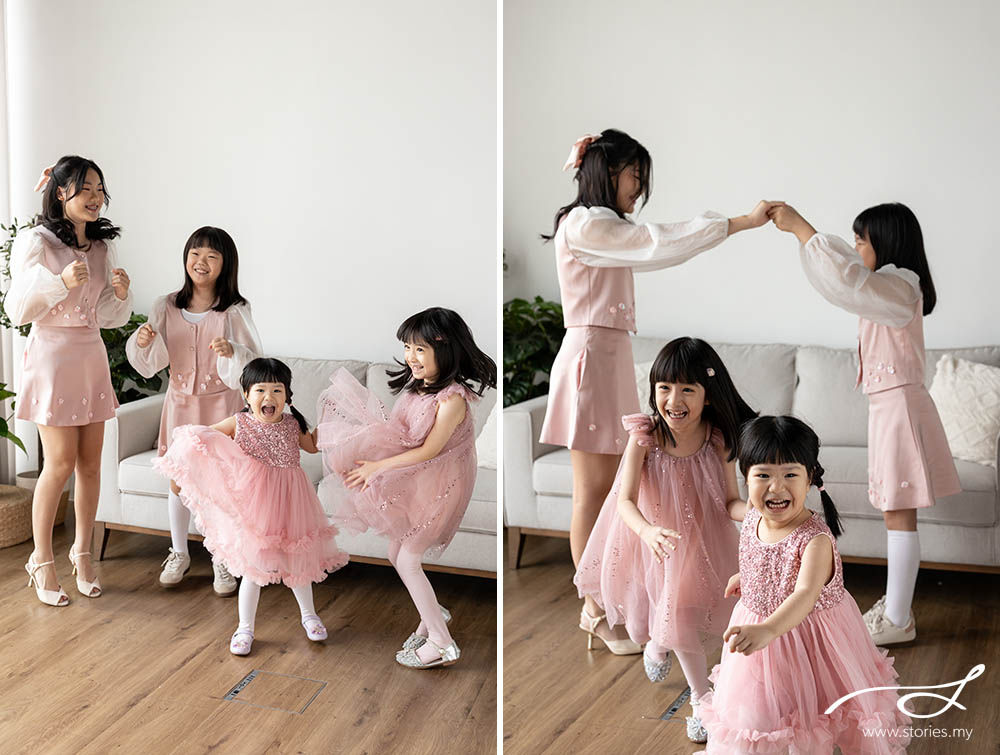
Once the key group photos are complete, the session becomes more relaxed. We’ll flow between posed and candid photos throughout the session. Rather than asking everyone to stand and smile, we’ll encourage interactions. Families may be asked to walk together, talk, play games, laugh, or simply spend time together.
The goal is to capture genuine and authentic moments. We’ll still provide guidance and suggestions throughout this session. You never need to worry about knowing how to pose or what to do next.
 Wrapping up the session
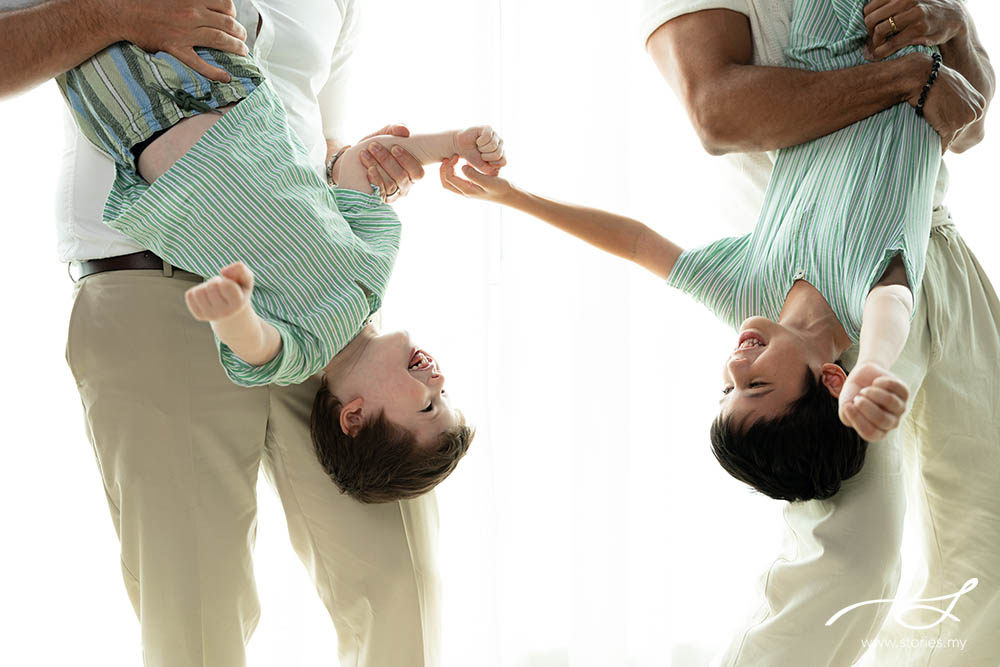
As the session comes to an end, we’ll do a quick review of remaining combinations or requests that haven’t yet been photographed. This is also an opportunity to capture any final images family members may have in mind during the session.
If you have children at the shoot, here’s how it’s going to go
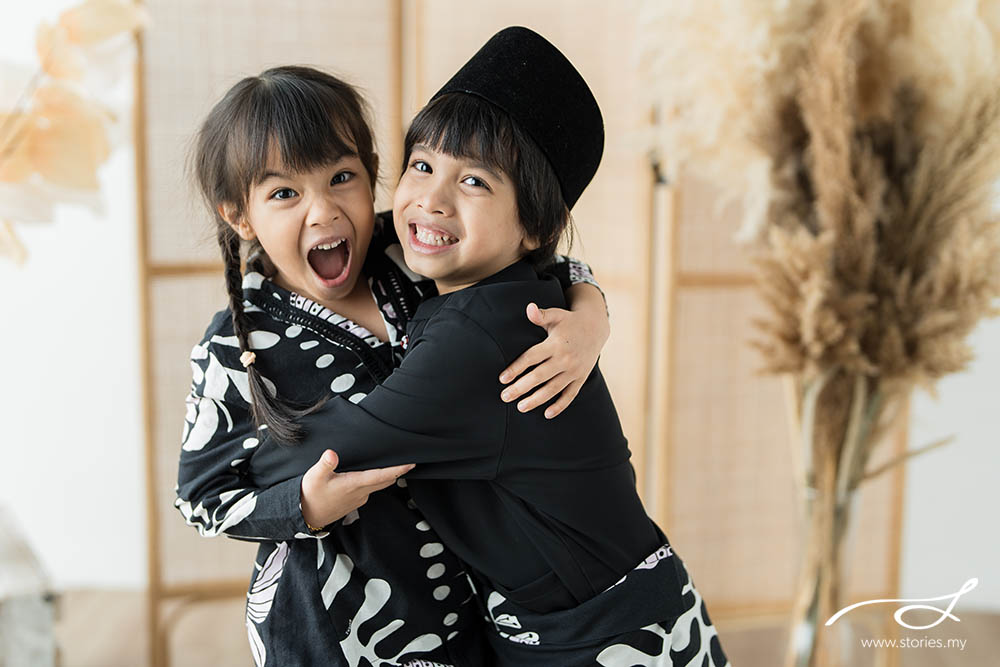
Now, for those with children, you’ll probably be worried about how your children will behave. The good news? Children behaving like children is completely normal.
If a child becomes overwhelmed, shy, tired, or throws a tantrum, there’s no need to panic. It doesn’t mean the session is failing. In fact, one of the best things parents can do is to stay calm. If a child needs a break, we’ll simply adjust the schedule. They can have a snack, take a short break, or step away from the camera. We’ll simply photograph other family members.
What we try to avoid is creating additional pressure. Children can quickly sense stress if they’re scolded or forced into participating. Instead, we’ll work with the child’s energy.
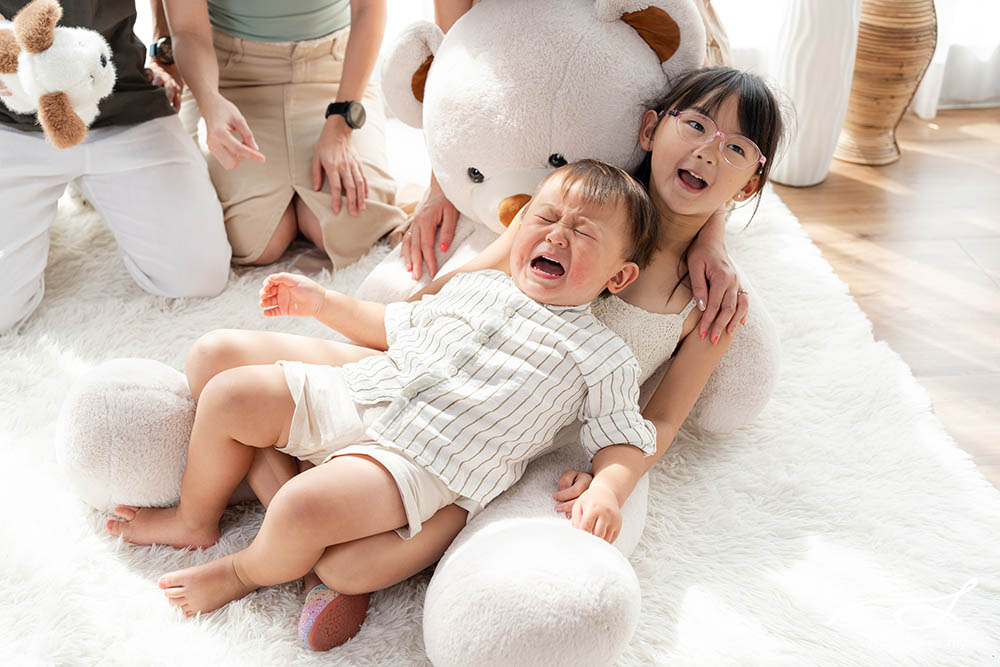
In the studio, we have a small slide-and-play area for children to settle in. Music will be used to create a relaxed environment. We also encourage parents to ensure their children are well-fed before the photoshoot.
Other than that, we recommend not allowing your children to use a digital device during the shoot, as it may cause disengagement and make it difficult to separate the child from the device. Most importantly, trust the process. Remember, experienced family photographers understand that children have good and difficult moments.
All of these are part of family life, and capturing your family as you are is the goal. If you’re still unsure about taking the next steps, do reach out to us. We’re always happy to chat, answer your questions, and help you plan a family photoshoot that works for everyone.

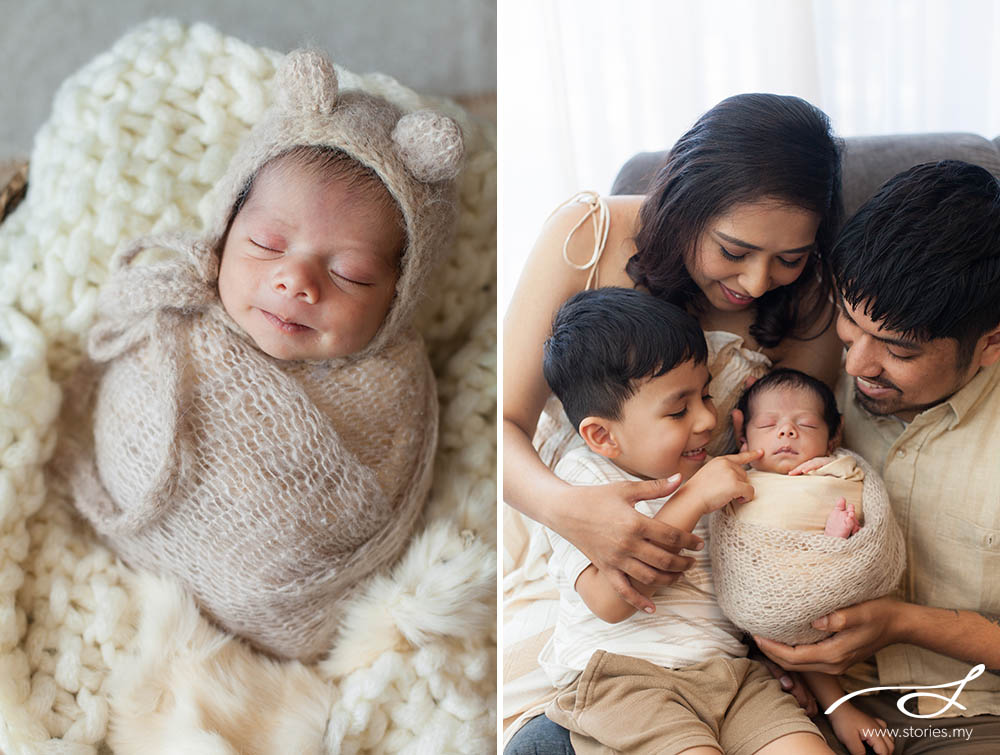
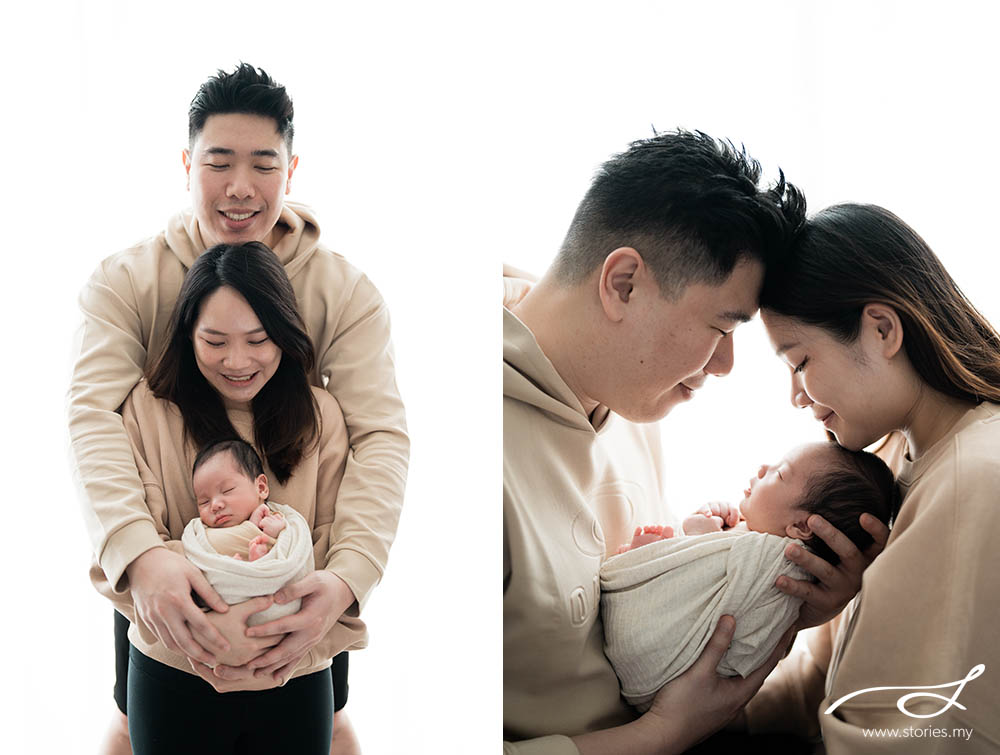
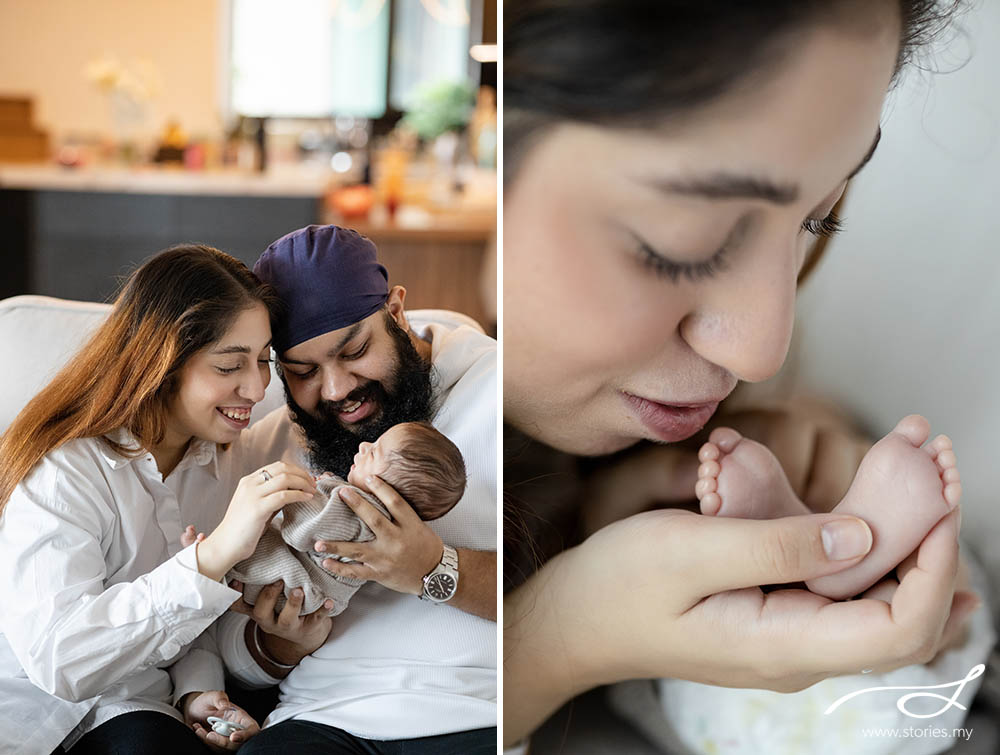
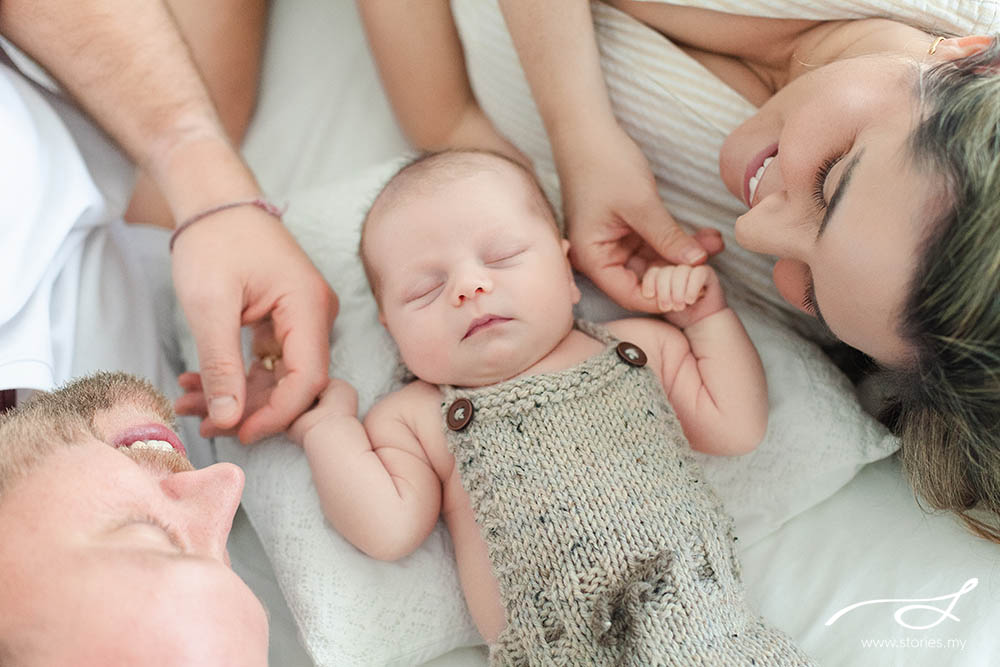
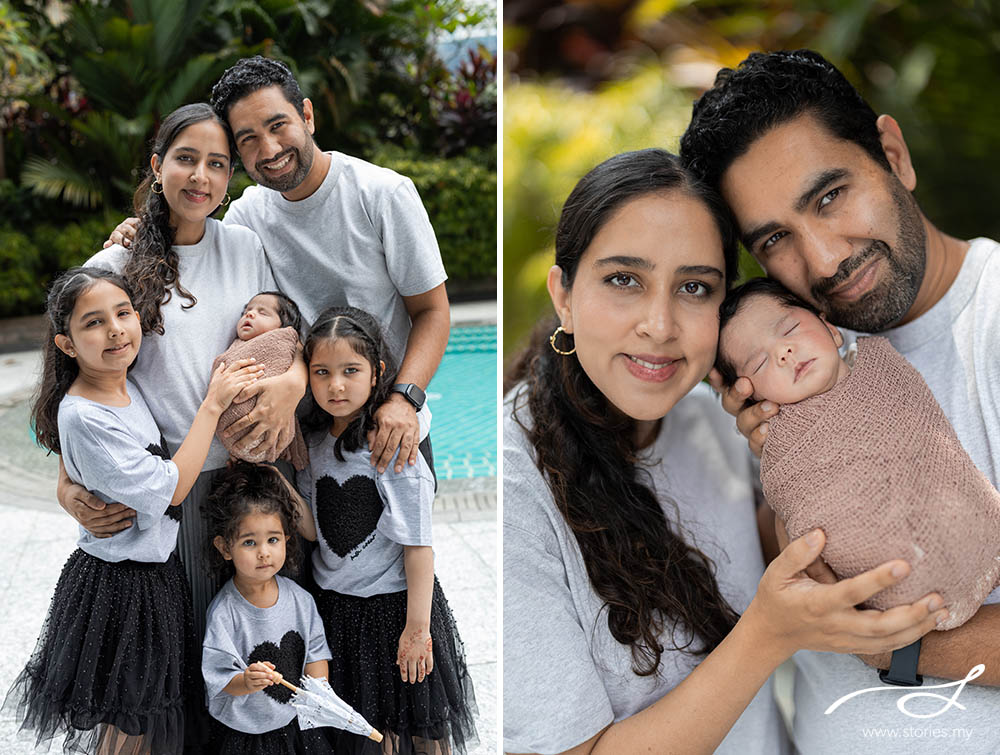
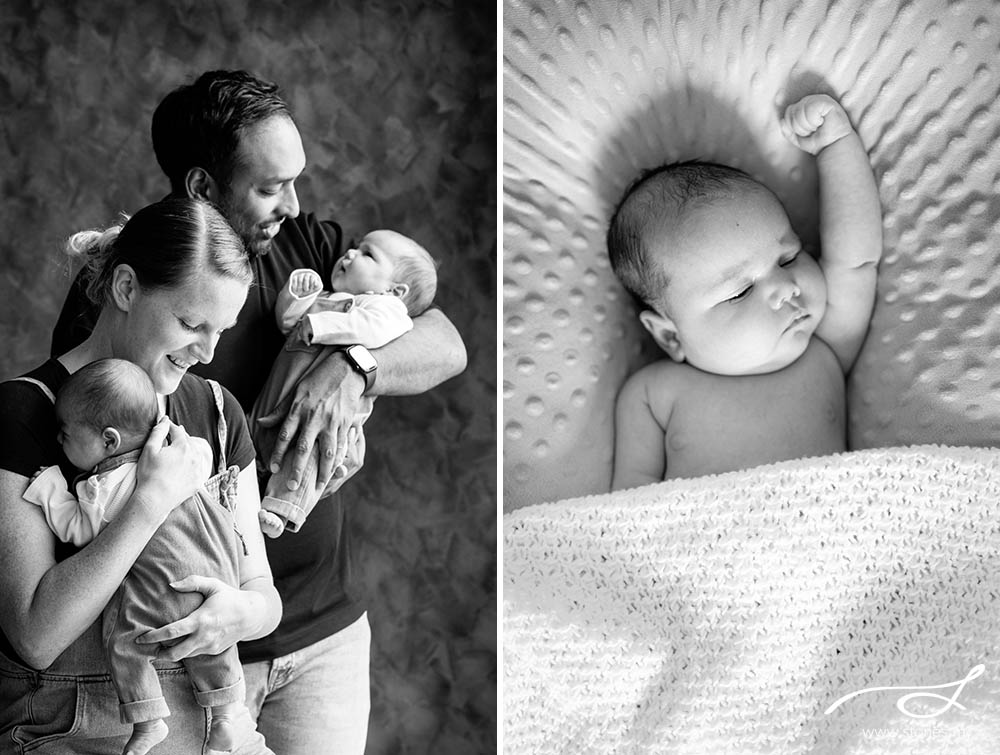
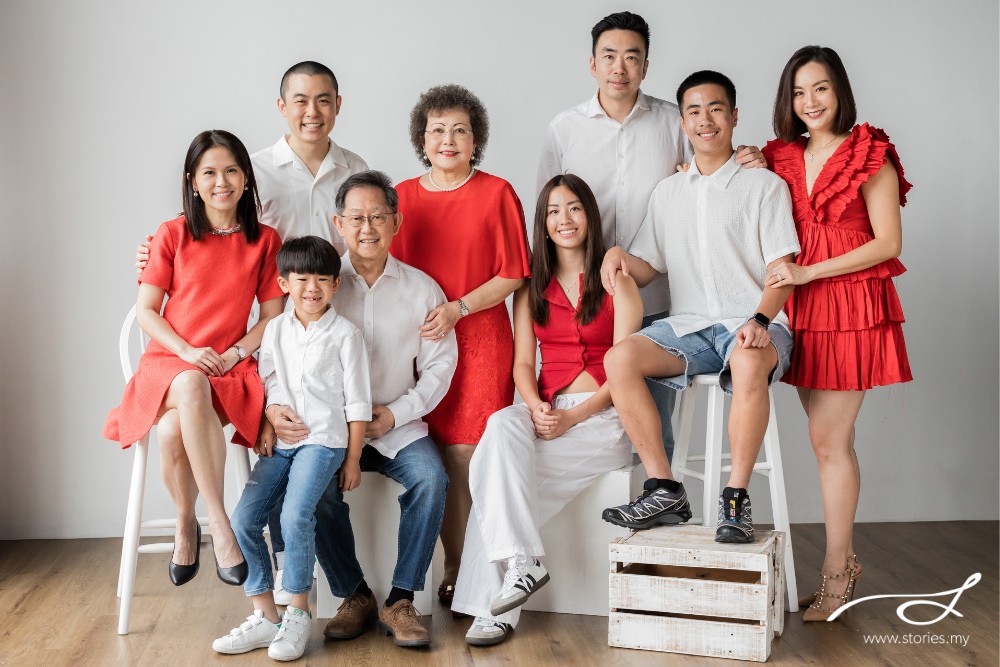
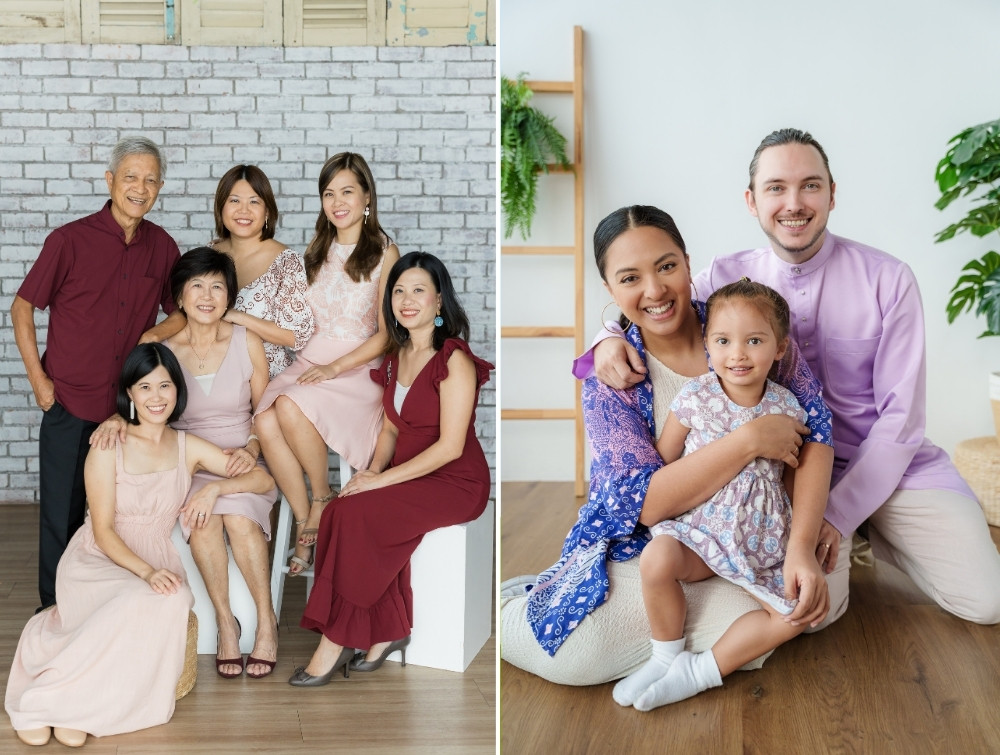
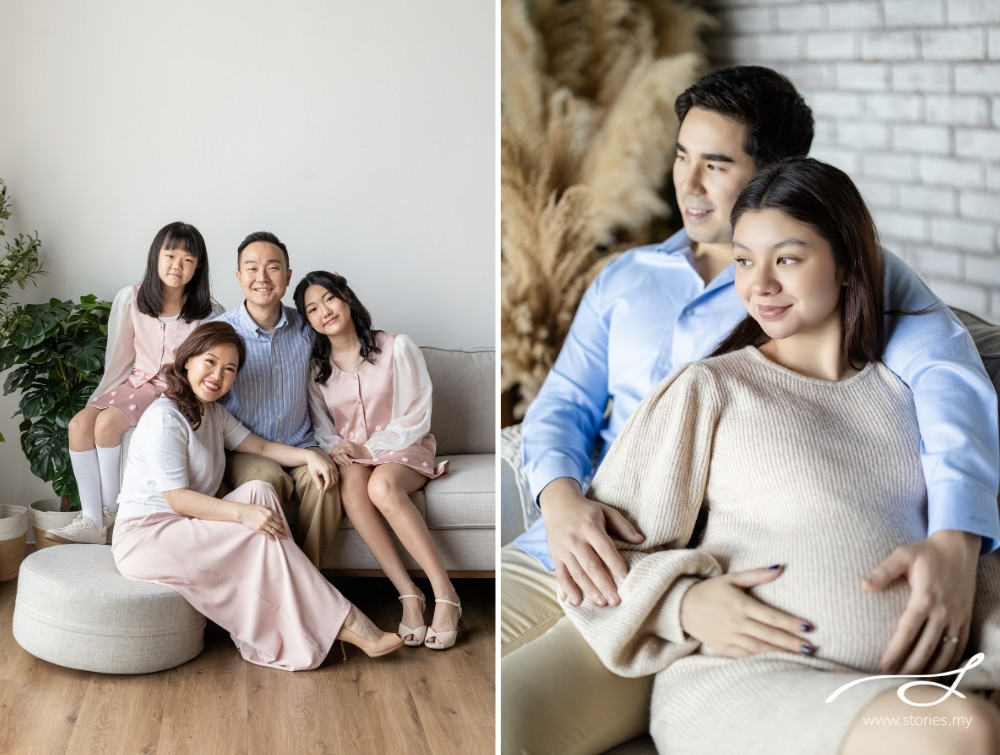
 You don’t have to go all in, but it works nicely as a base or layered with softer tones. And if nothing else, it’s a very safe option when no one can decide what to wear.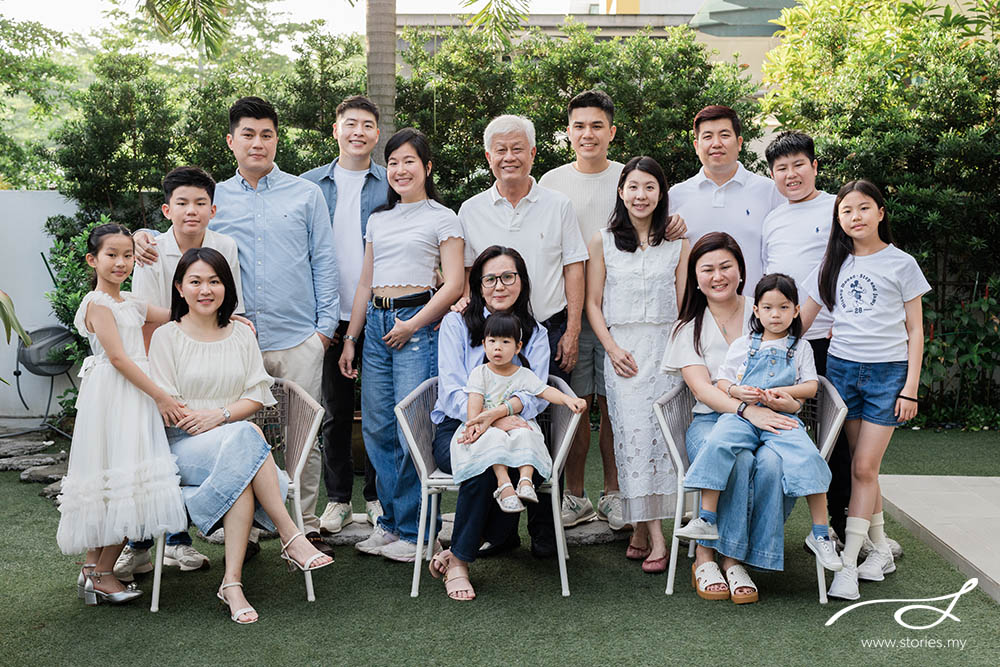
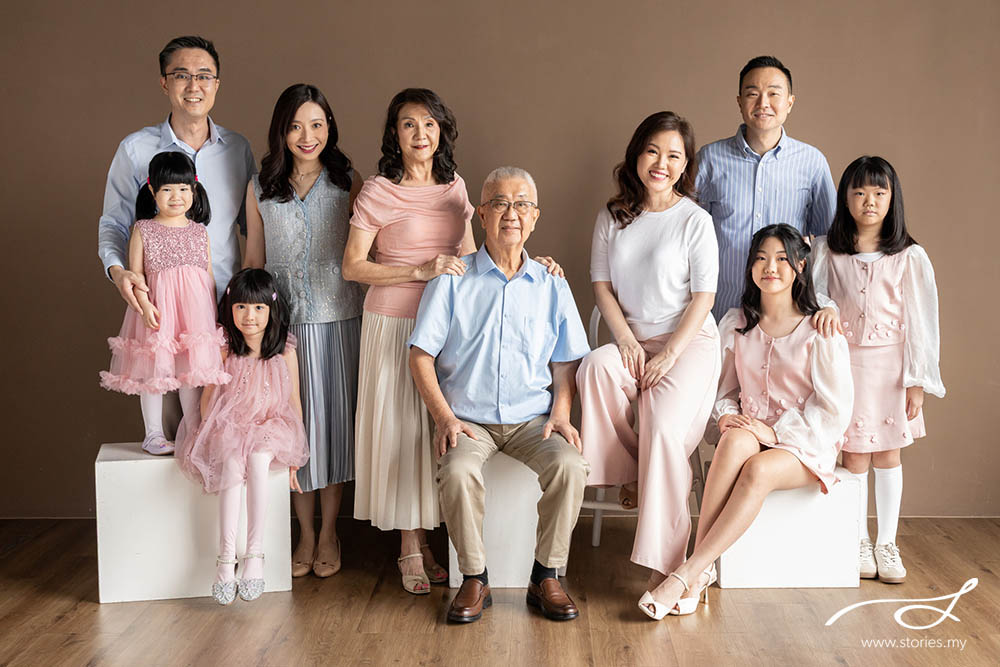 3. Create layers to add depth and interest
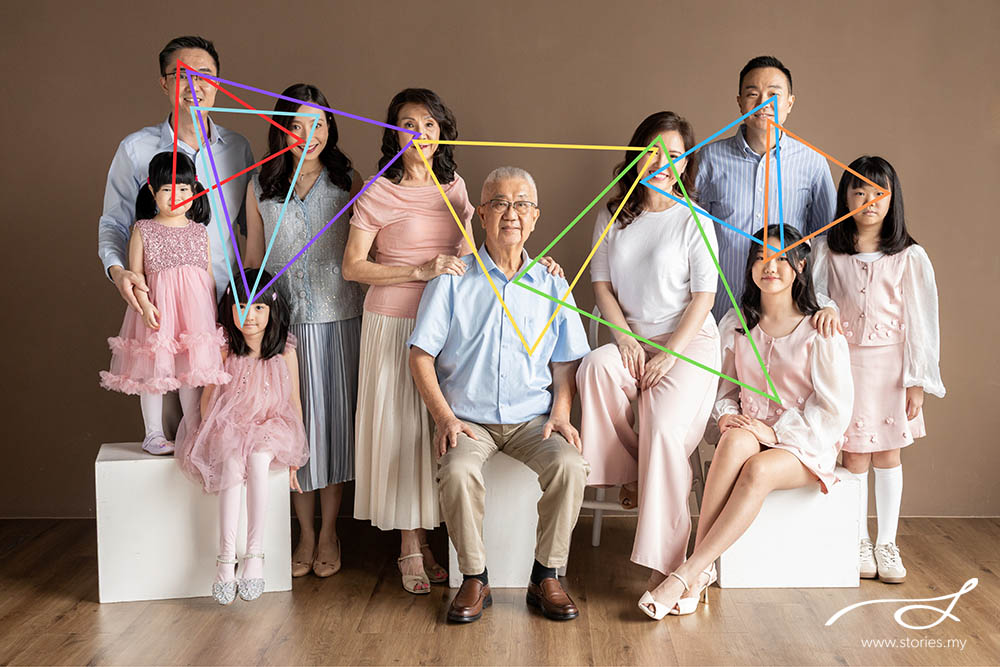
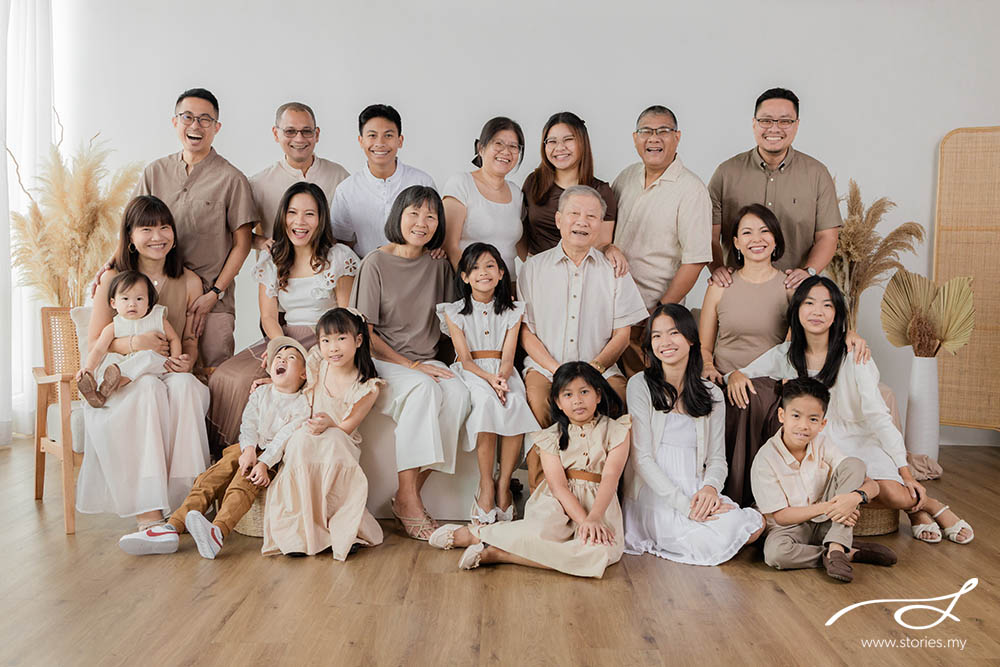 4. Look for triangles and varied heights
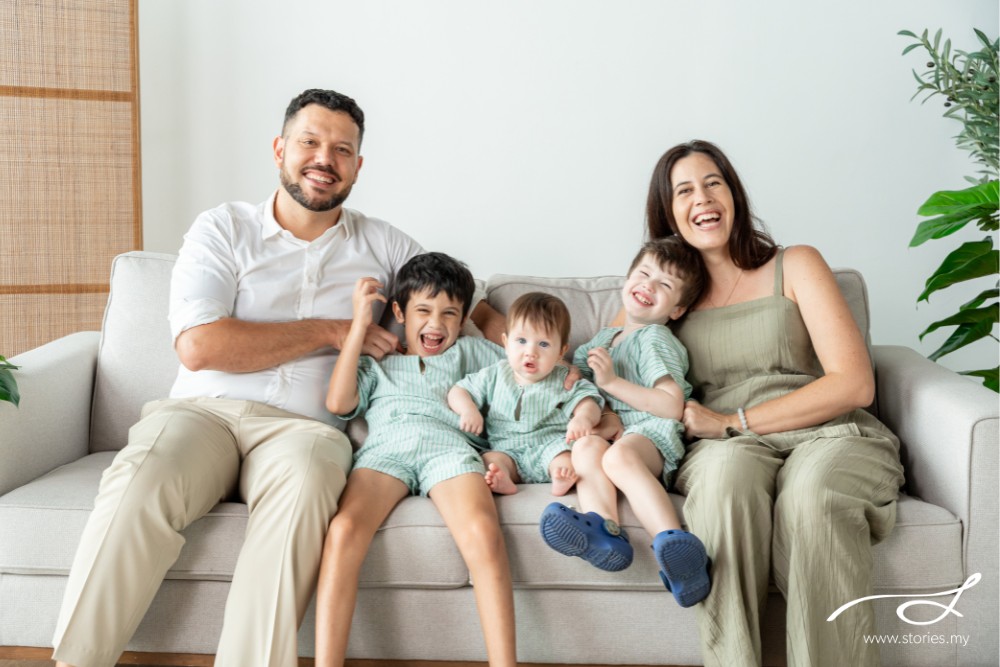
 5. Using a sofa without making it look boring
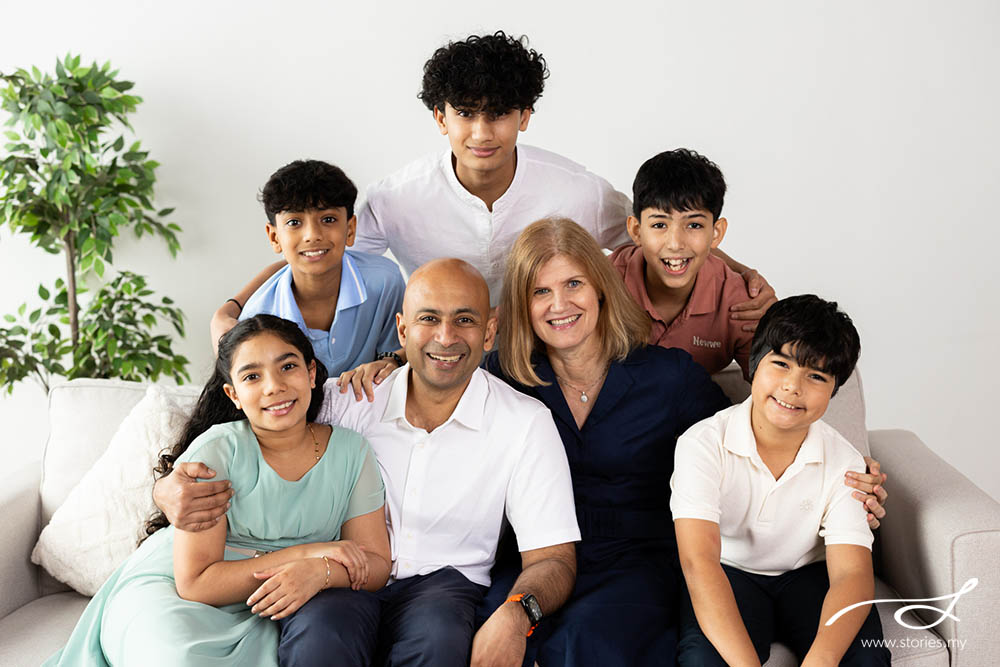 6. Keep faces close and take a test shot
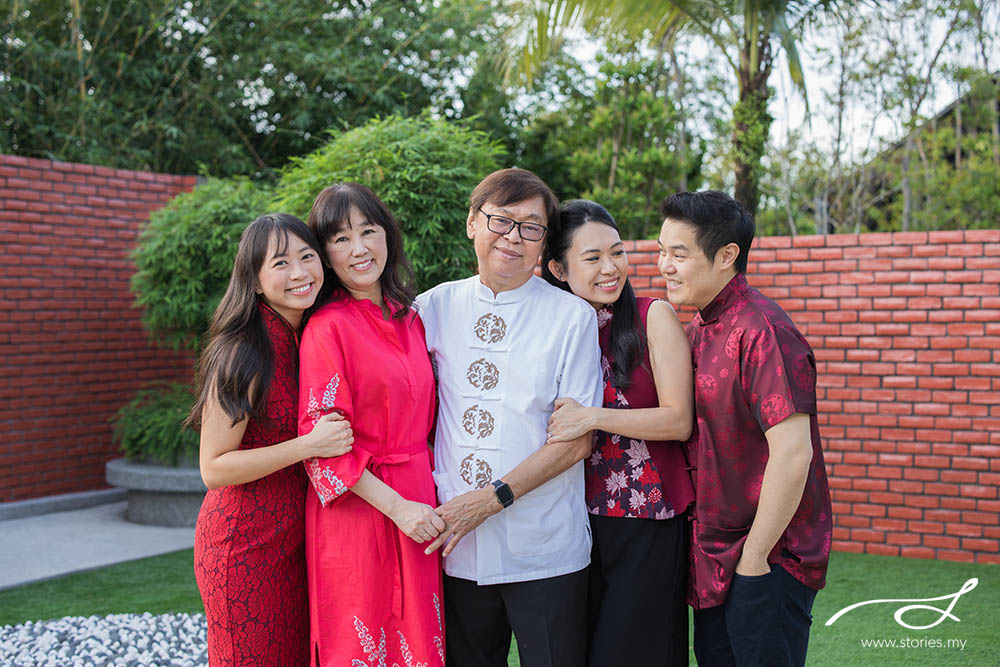 A final thought
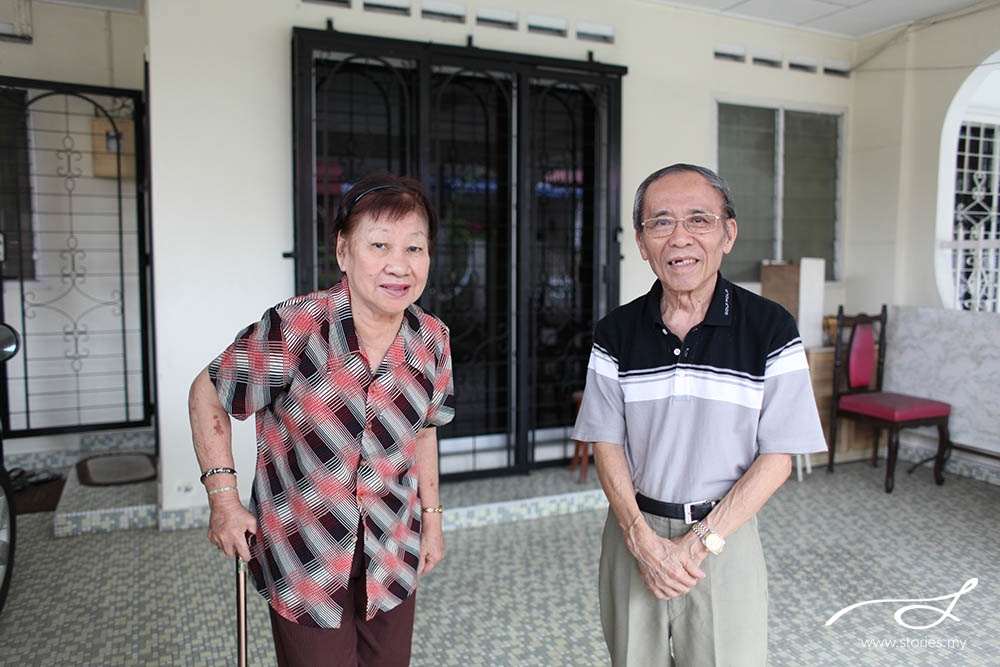 We value the things we once took for granted as we age. I wish my parents were still alive so I could take a beautiful portrait of them in their element. If I could do it again, I would photograph my mom in her kebaya holding a bakul sia filled with her homemade pineapple tarts, which she used to make every Chinese New Year. I would create a mini-video documentary of everyday life snippets, filled with stories from yesteryear.
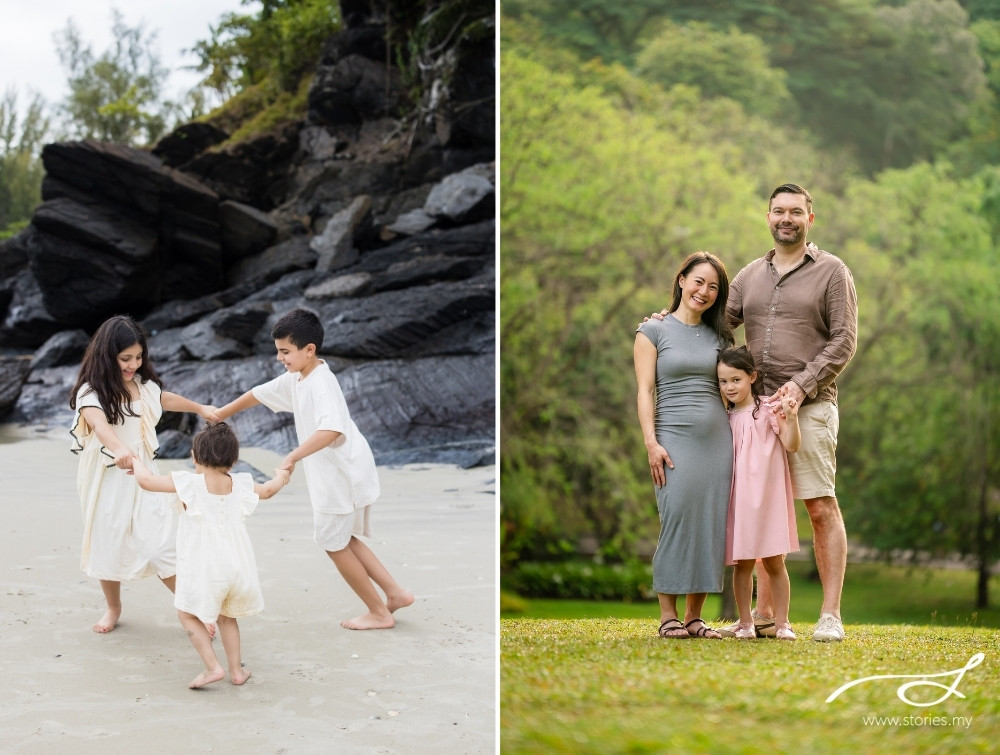
 2. Locations
 3. Props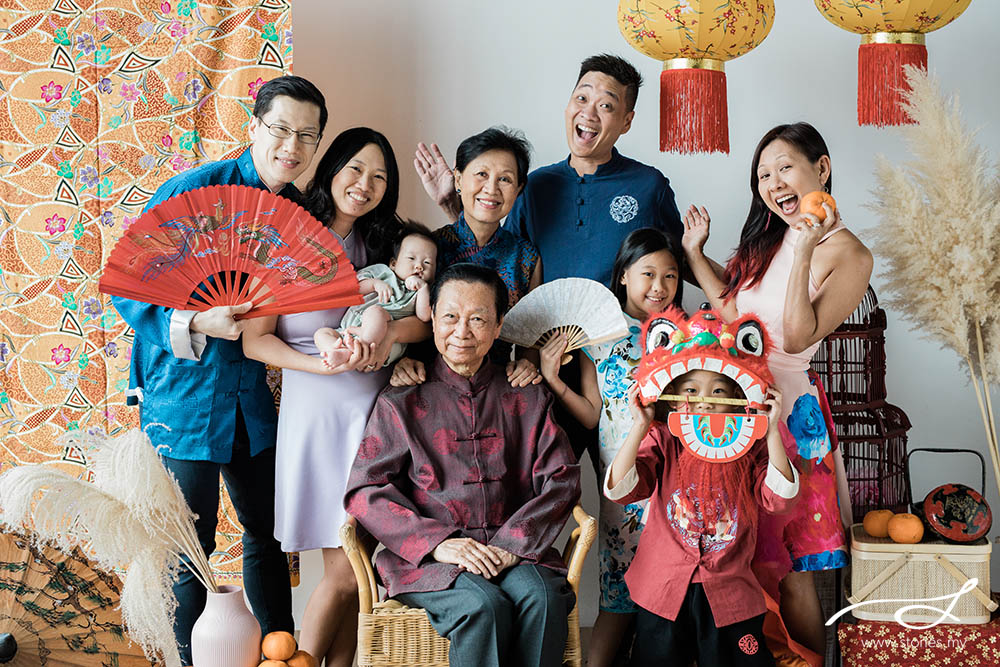
 4. Extending the Shoot: Coffee Table Books and Family Videos