fbpx Skip to main content
Category

Portraits

Family portraits over the years: Lay Choo

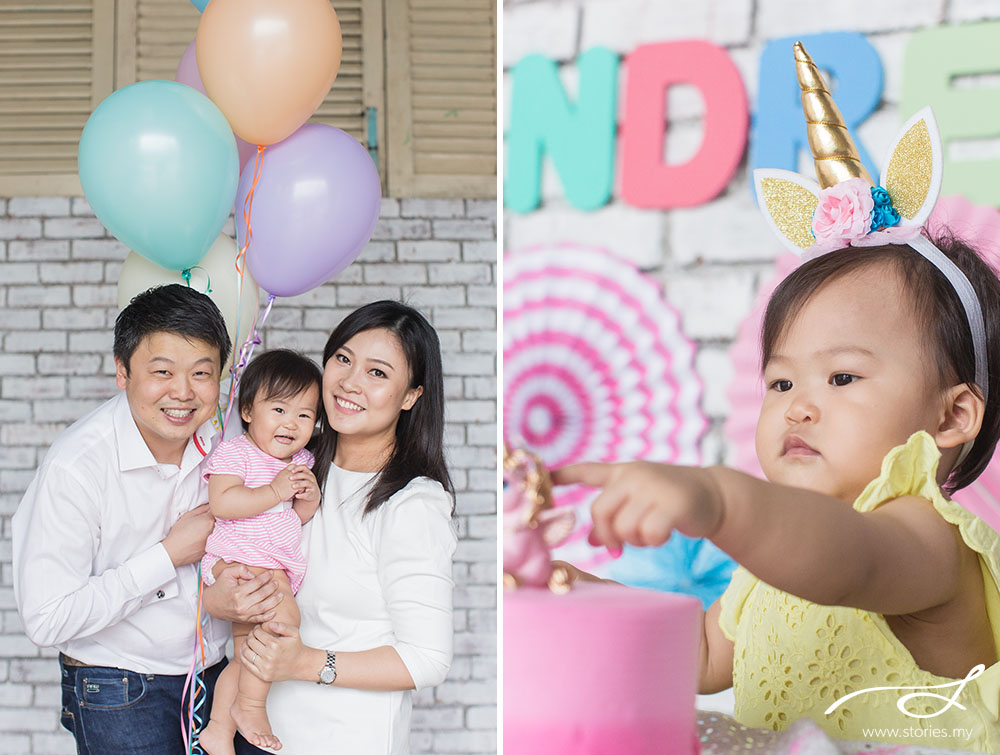
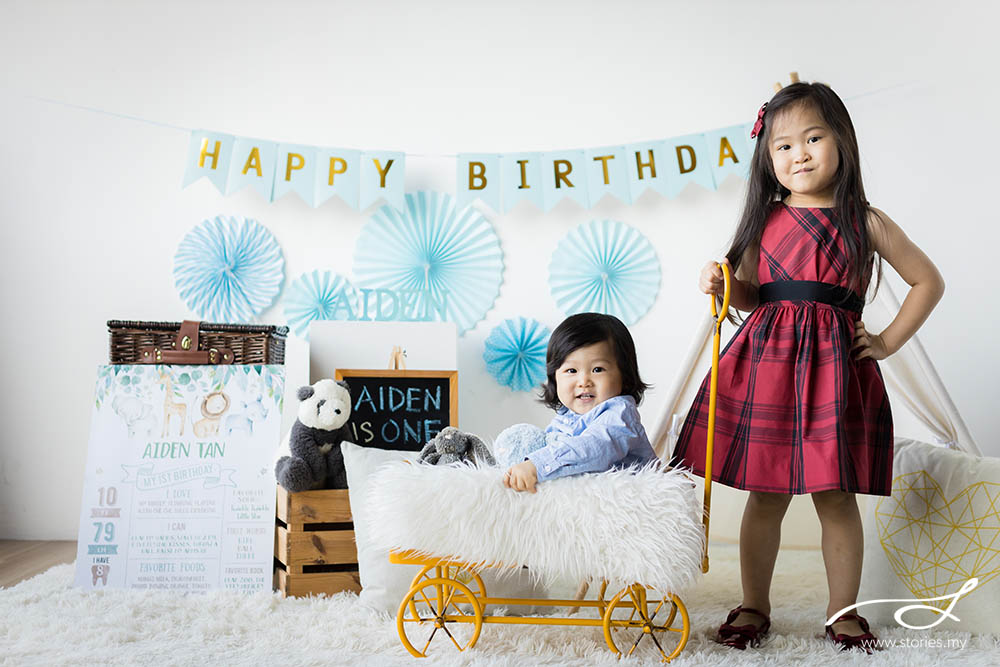
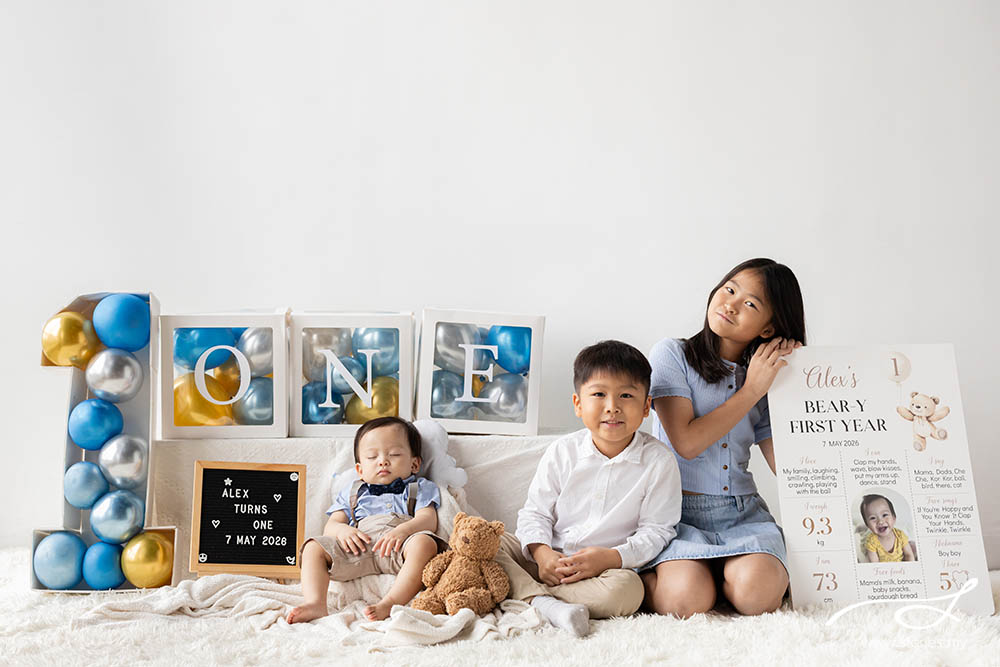
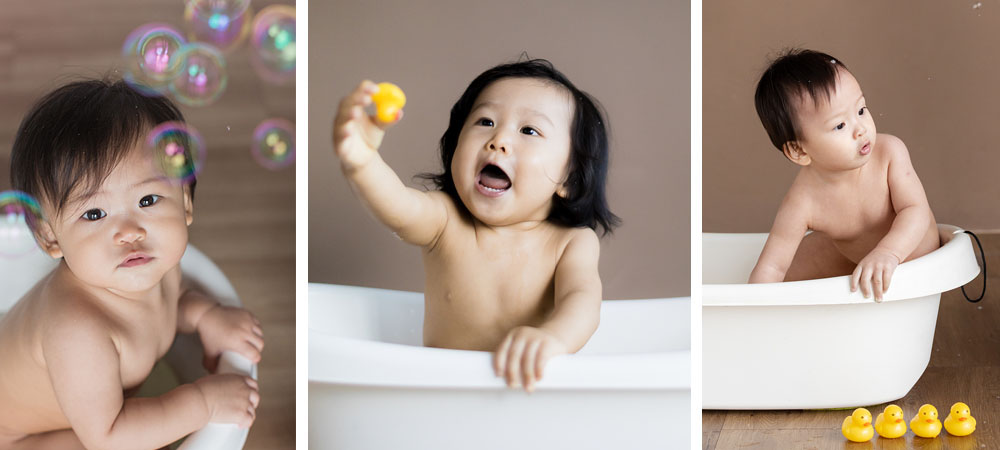
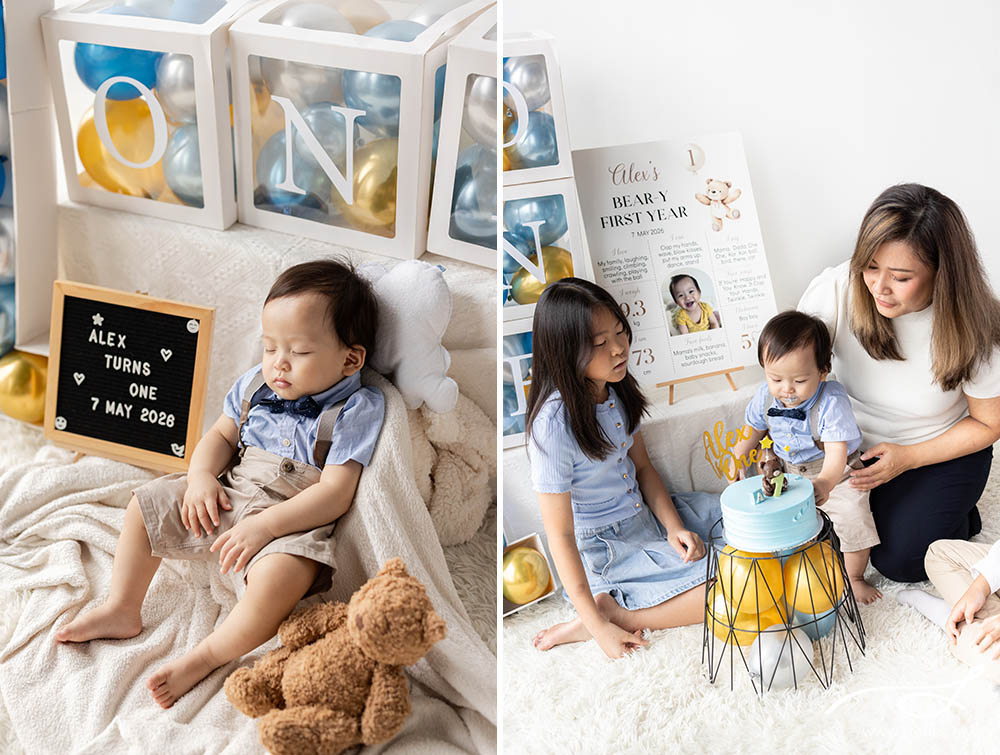
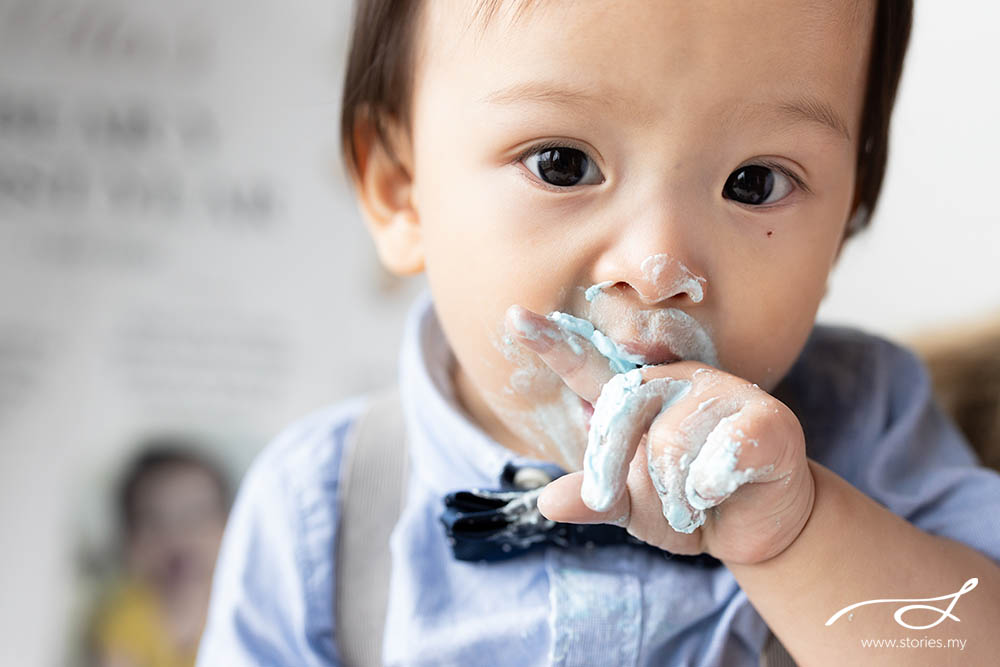
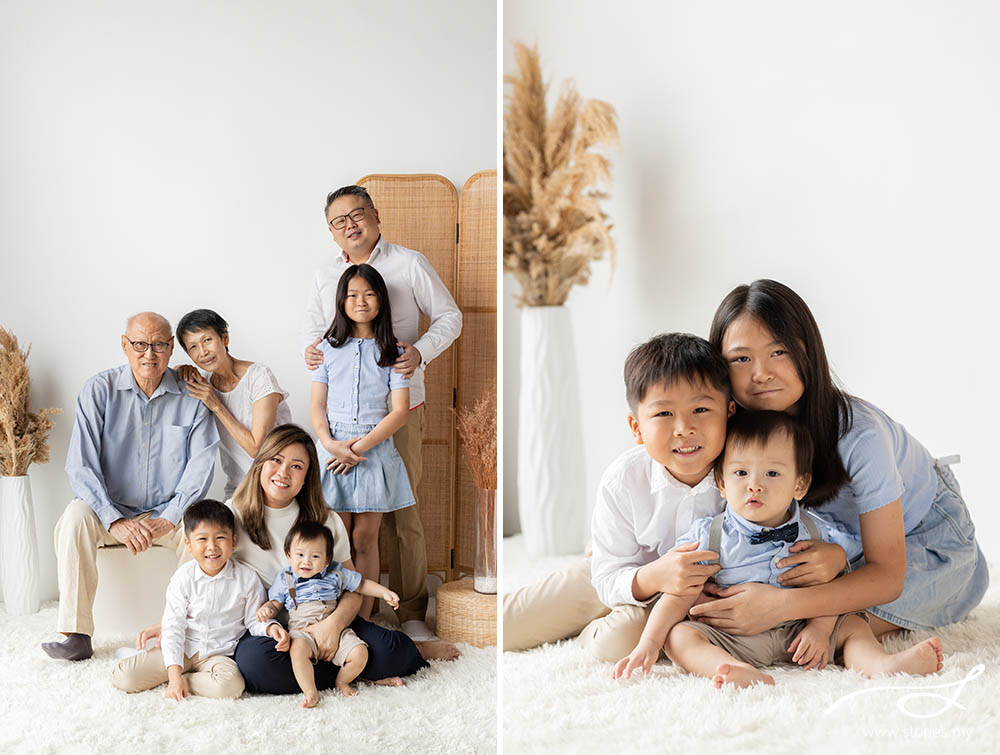
Lay Choo first came to the Stories studio in 2017, to photograph her firstborn, when she turned one. It was a fun photo shoot with the entire family, which included a cake smash and a quick bath immediately after, right in our studio. That simple action of booking a photo shoot soon turned into a tradition. She came back again for her 2nd child’s first birthday in 2021, and then again this year for her 3rd child’s 1st birthday!

Every time, we would have a cake, a mini celebration and a bath at the studio. That was really cute to see how one bathtub became a storyline over so many years. The thing about traditions is that we do not necessarily see their value immediately. After the years have passed, these traditions become a special keepsake that is cherished.

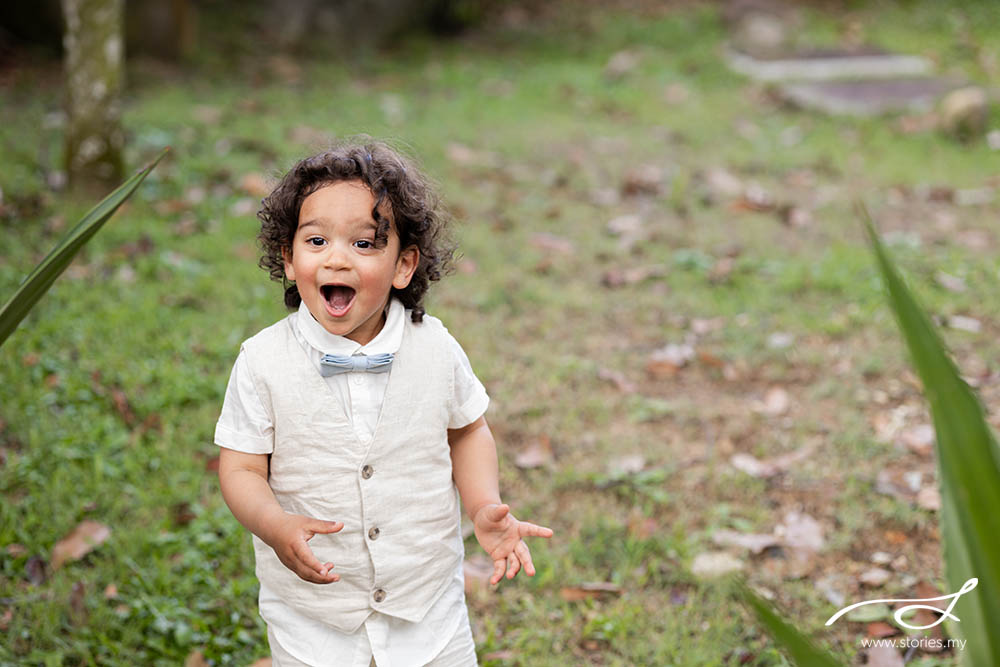
Her first photo session in 2017

The second session in 2021

The 3rd session in 2026

Funnily, during our recent session this year, little Alex fell asleep halfway through the photo session. After a power nap, he woke up in time to savour his birthday cake!

Our company has been in existence since 2008 (we’re 18 this year!), so we have photographed many families through the years. It is our joy to see the children grow through the years. Thank you so much for choosing us, over and over again.

Credits:

Photographer: Grace
Videographer: Abel


Studio vs outdoor photos: Which is better?

“Should we do a studio shoot or go outdoors for my family photoshoot?”

Now, that’s probably one of the most common questions photographers get before a family shoot. And honestly? That isn’t exactly the easiest question to answer, as there isn’t a one-size-fits-all answer.

If you were to ask Stories, we’d probably not start by talking about parks or studios. Instead, we’d probably ask you these questions:

Can you please tell me about your family?
How many people are there?
How old are the children?
Will Grandma be joining?
What kind of experience are you hoping for?
Most importantly, what do you want these photos to feel like?

And there’s a reason for these questions.

What photographers actually think about when you mention ‘location’

Some clients often think that location is the biggest deal breaker for family photoshoots. However, photographers don’t.

When a photographer hears “studio” or “park”, they’re already imagining something different. They’re probably thinking about the lighting, the movement, the mood, and the family dynamics.

And that’s how we at Stories think. Because deciding between a studio and the outdoors isn’t really about choosing a prettier background — it’s about choosing an environment that helps your family relax, connect, and create the kind of memories you actually want to remember years from now.

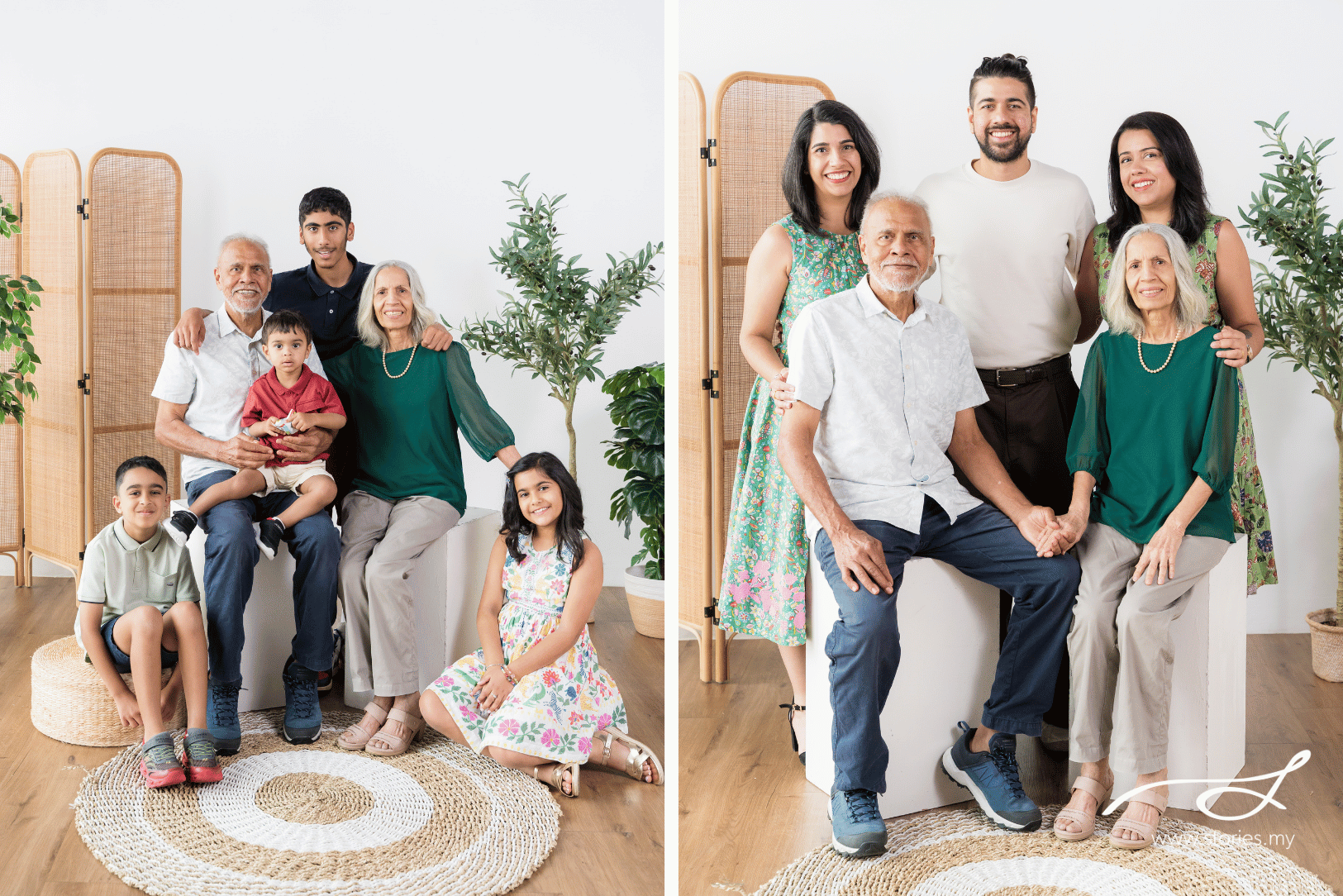
For example, photographing a family of four with energetic toddlers is very different from photographing 20 extended family members, including a 90-year-old grandmother in a wheelchair. A beautiful park might sound lovely, but if getting everyone there becomes exhausting, those tired faces will show up in the photos, too.

Again, the location isn’t the star of the photo. The family is. The location simply helps bring the story to life. But there is no harm in looking a little deeper to figure out which setup is the best for your family photoshoot.

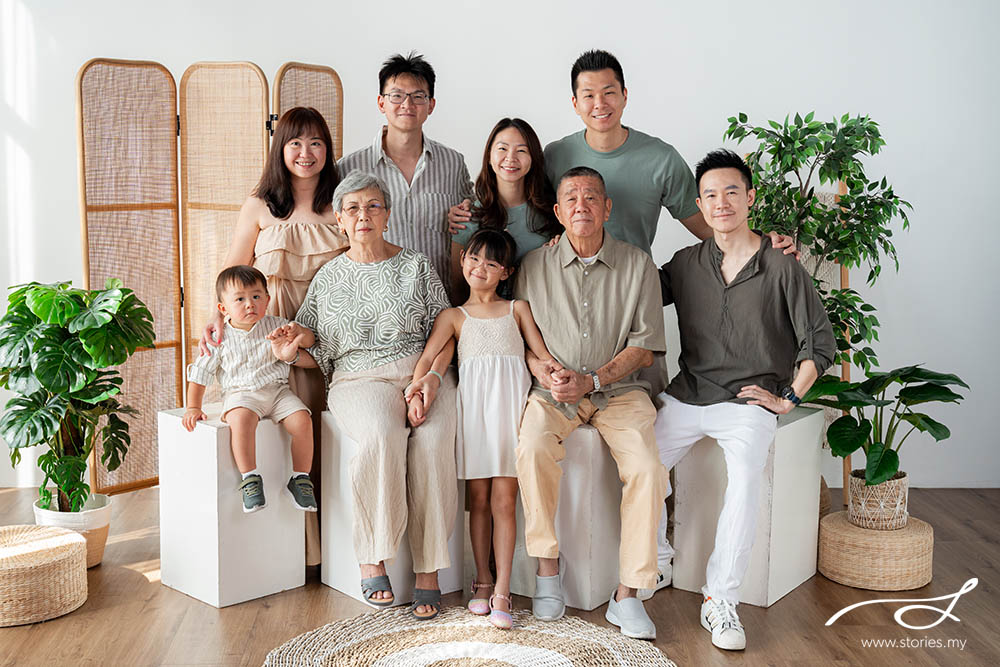
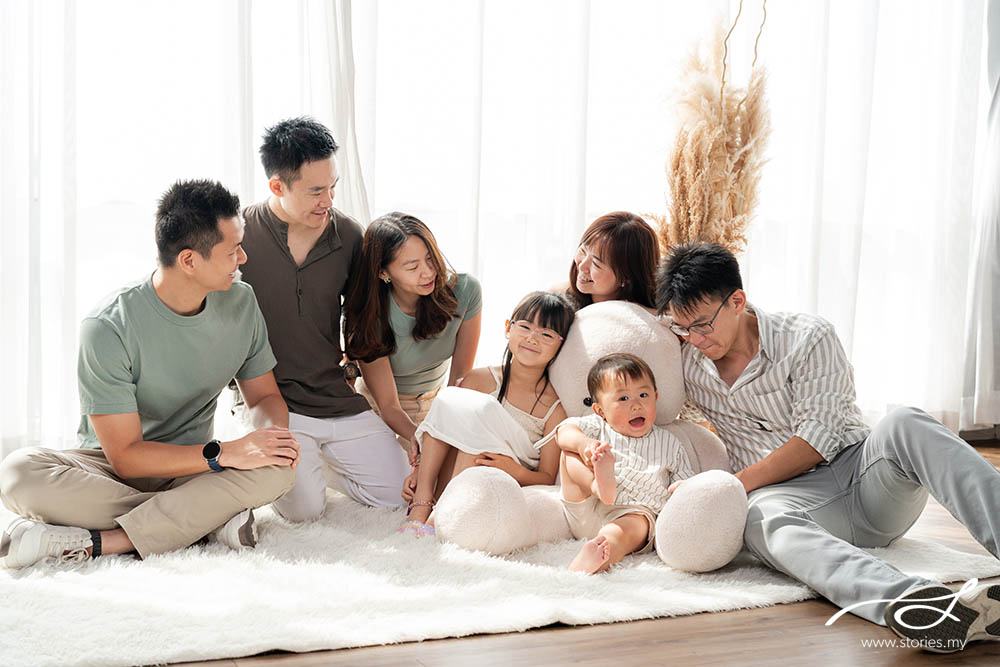
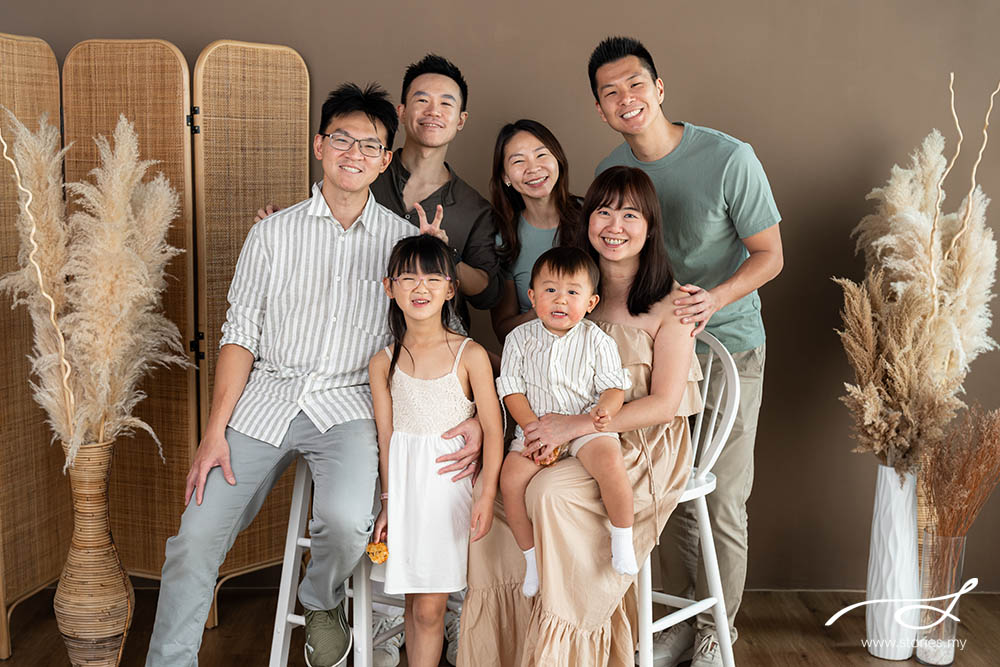
A family photoshoot in a studio

A session in the studio = Reassurance and comfort.

The temperature is cool. Nobody is sweating before, during, or after the session. You don’t have to wonder if it’s going to rain. There aren’t any mosquitoes or random strangers walking past you in the background. The best part? There’s a nice, clean toilet at your disposal (every Malaysian knows the pain of finding clean, dry toilets at our local parks).

It’s safe to say that everything feels manageable.

For photographers, a studio offers something valuable: control. We have a beautiful natural light studio, but on gloomy days, studio lighting can be added.

However, there might be a concern that studios are “boring”. And we’re here to tell you that isn’t the case.

In fact, creativity can sometimes be more challenging when you keep doing sessions in the same space, but that can push photographers (especially us) to see a familiar space in new ways.

That’s not all; studios can make life easier for your family. Young children have a contained, safe space to run around. Elderly parents don’t have to walk long distances. Families with members who need quiet breaks, such as autistic children, have a space to pause before jumping back into the session.

The outdoors: When the setting tells part of the story

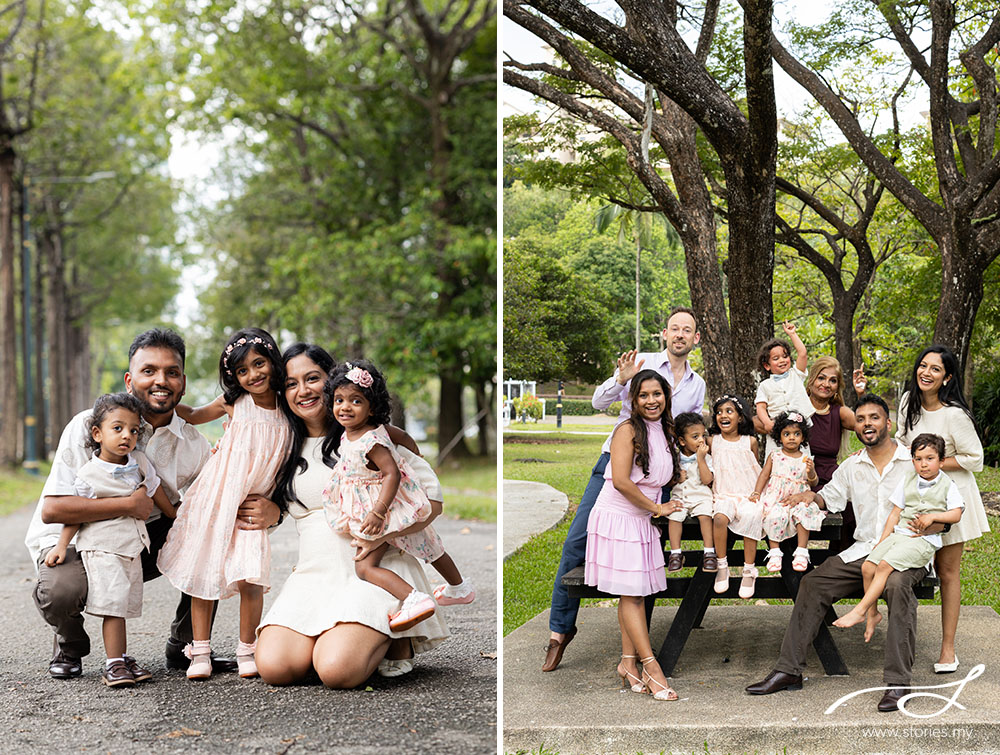
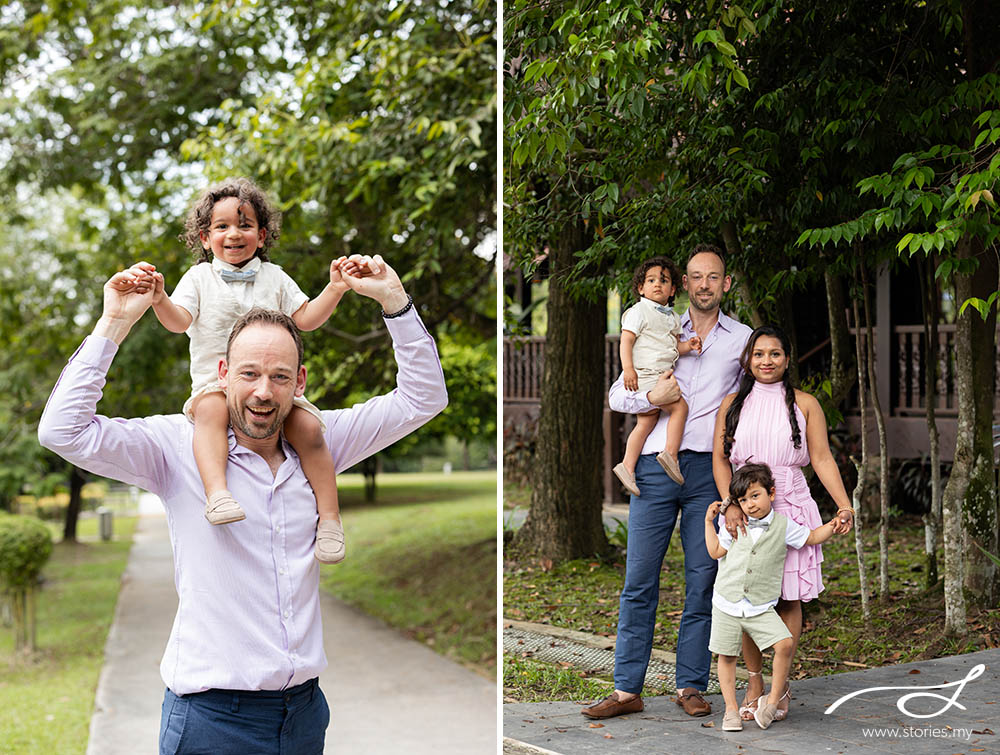
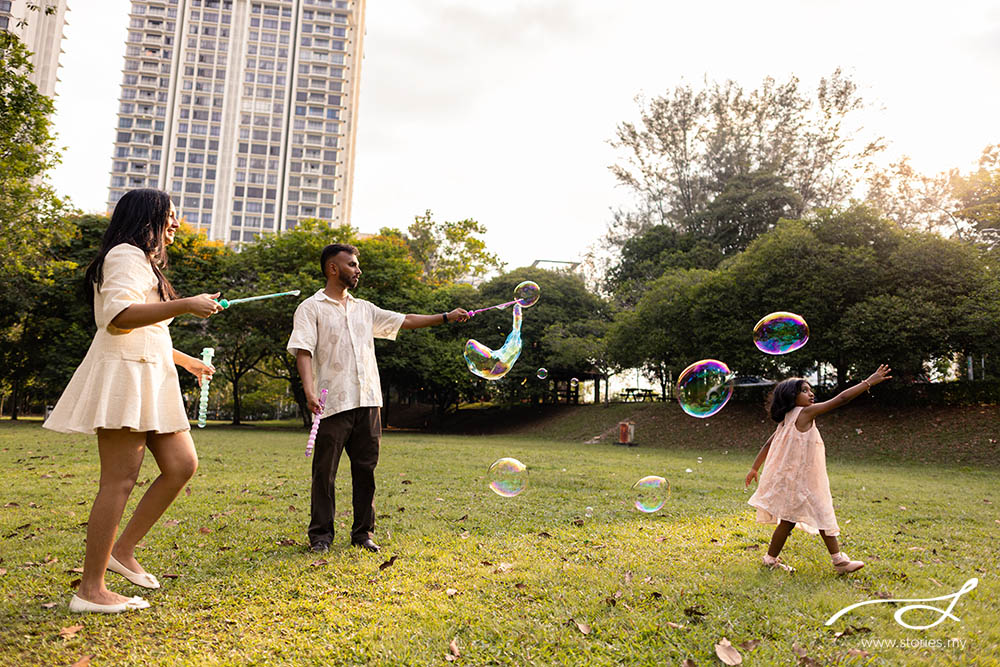
For outdoor shoots, there’s a different type of magic — the environment becomes part of your story.

Instead of simply serving as a backdrop, the location adds context to your photos. It could be your favourite park or even your family home. These places often hold memories long before the photoshoot begins, making the photos feel even more personal.

Outdoor shoots also naturally encourage movement. There’s more room for children to run, parents to walk hand in hand, or families to simply interact without feeling confined to one spot.

However, of course, outdoor shoots also come with less control. Lighting changes through the session, the weather can be unpredictable, and in Malaysia, heat and humidity are all part of the experience. But that’s not all; we’d recommend shooting early in the mornings — as early as 7 a.m., when the light is softer and the weather is cooler.

Outdoor photography works beautifully for families who enjoy being active, prefer candid moments over posed portraits, or simply want their photos to capture a particular place that’s meaningful to them.

So…which setting is better for your family photoshoot?

It’s like asking whether coffee is better hot or iced.

Neither is better. They’re simply made for different moments.

A studio offers comfort, consistency, and complete creative control. It’s ideal for families who value convenience, have younger babies or children, elderly relatives, or anyone who wants a relaxed, stress-free experience.

An outdoor shoot offers movement, personality, and storytelling. It’s perfect for families who love candid interactions and don’t mind embracing a little unpredictability along the way.

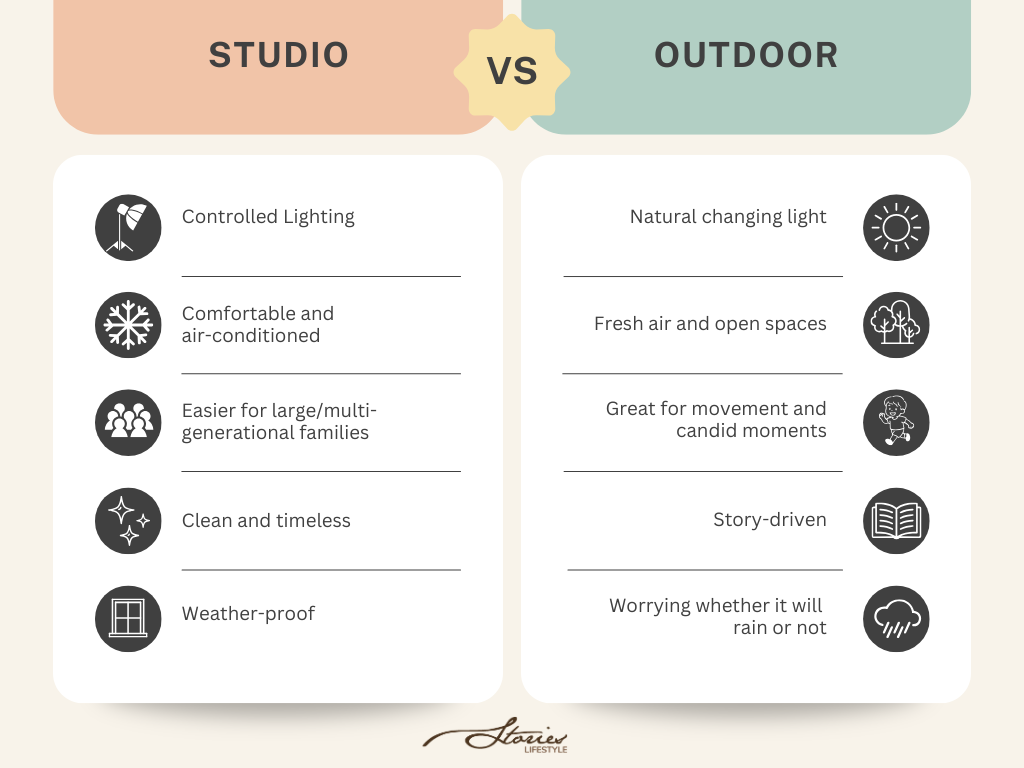
Here’s a simpler way to think about it:

At the end of the day, the “better” location is the one that helps your family feel like themselves because years from now, you probably won’t remember whether the photos were taken in a studio or at a park — you’ll remember how everyone laughed.

And that’s what a great family photography session is all about.

Are you ready to plan your family photoshoot? Get in touch with us! We’d love to help you find the perfect setting for your story.

Here’s what happens during a family photography session: A walk-through

Family photoshoots can get…extremely chaotic.

Between booking a session, coordinating outfits, getting everyone out the door on time, and wondering if the children will cooperate, it’s completely normal to feel a little overwhelmed and uncertain.

That’s not all; you’ll even find yourself asking the same questions:
Will an hour be enough?
What happens if my child has a meltdown?
How will the photographers manage my large family?
Will the photos turn out the way I want?

The good news is that, with us, a family photoshoot is far less stressful than most people think. A lot of planning takes place long before the shoot, and we’ll guide you through every stage. Here’s everything you should expect, from the initial enquiry to the last photo taken.

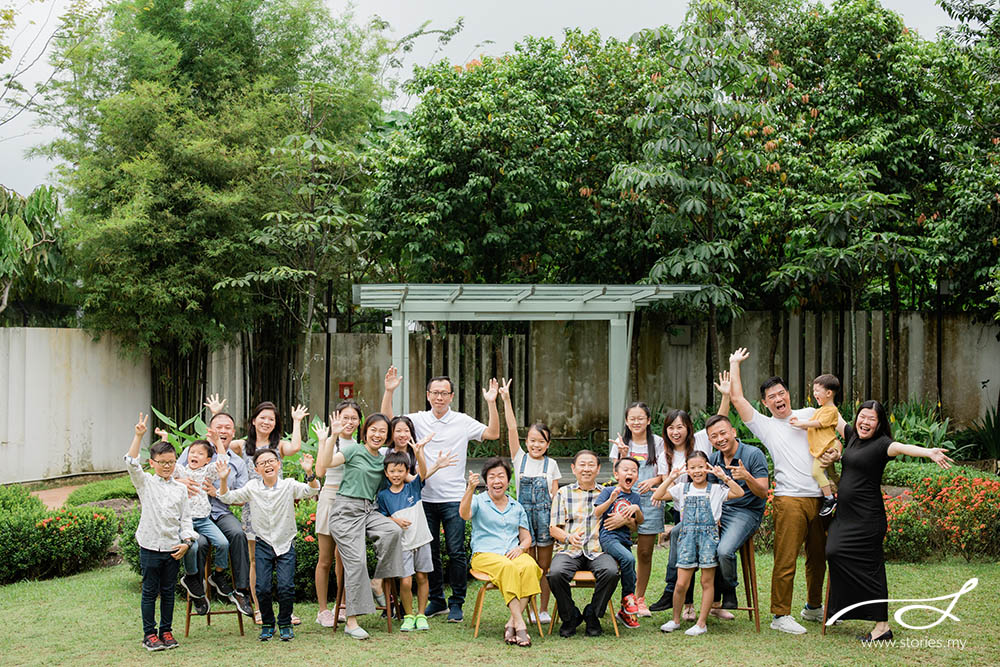
Before the family photoshoot even starts

Preparation begins the moment you reach out to enquire about a session. One of the first things we’ll discuss is the size of your family, as it helps determine the duration of the photoshoot.

Why? Well, smaller families (two to four members) may only need 30 minutes, while larger groups (five or more members) often require more time, typically an hour to two, and sessions rarely go beyond that. However, if you require a shoot that involves several outfit changes or have chosen a location that involves a lot of walking, it may take longer — even if you’re a family of four.

Once your booking is confirmed, we’ll send over a questionnaire and preparation guide to help us get to know your family better and ensure the session runs smoothly.

Some questions we’ll include in the questionnaire are:
– How many children will be participating? Do your children have any special needs we should be aware of?
– Tell us about yourself and your family.
– Do you have any specific requests, ideas you’d like to execute, or props you’ll be bringing?
– Please describe the outfits you’ve chosen for the session (formal, casual, colours, etc).
– We’ll also ask about special needs requirements or anything that could help us create a comfortable environment.

For example, if a family of 15 is attending, it’s useful for us to know how everyone is connected and how you’d like the group photos organised. With all this information, we’ll be able to plan ahead so that everyone spends less time figuring things out on the day itself.

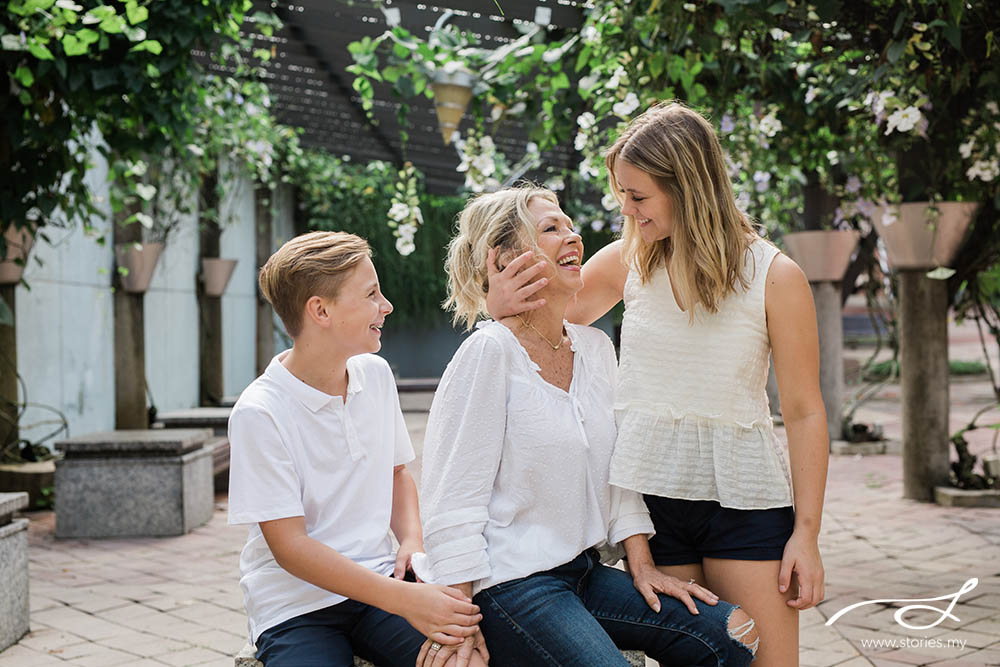
The first few minutes of the session

The day of your family photoshoot has arrived. Your session starts at 12 p.m., but rather than rushing in right on the dot, it’s always best to arrive about 15 minutes early. By this point, you’ve spent the entire morning getting everyone dressed and double-checking that nobody has forgotten anything important — it’s basically chaos.

Arriving early will give your family some time to wind down and get used to your environment. At the same time, our photographer will take a few minutes to chat with your family — to get acquainted and understand the dynamics between each member. If your family photoshoot is taking place outdoors or at home, our photographer will usually arrive earlier to assess the location, understand the space, identify the best spots, and determine how to make the most of it.
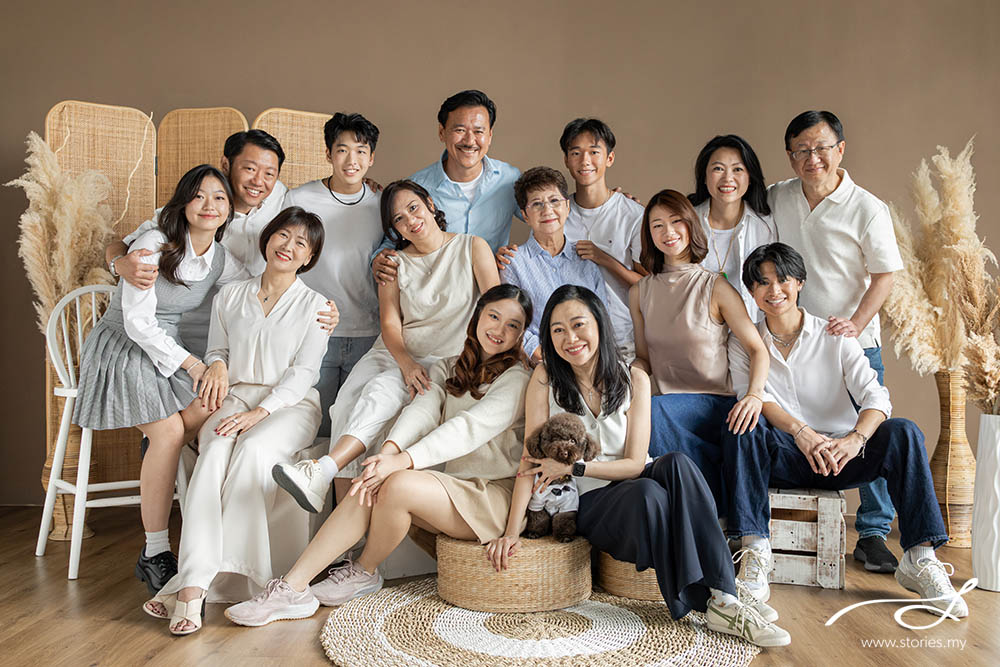

The first part of the photoshoot — traditional family portraits

Once the photoshoot begins, we’ll typically start with the more traditional family photographs. For large families, these group portraits are usually done first while everyone’s attention is fresh. For those with children, this is key, as they’re usually willing to listen during the opening part of the session, as they are curious when entering a new environment.

If you’ve already provided a shot list, we’ll take it into consideration and will advise accordingly. Basically, we’ll go according to the flow of what we think works best, based on the situation of the shoot. For example, we may try to photograph the families with the youngest children first, and adult-only photos will come last.
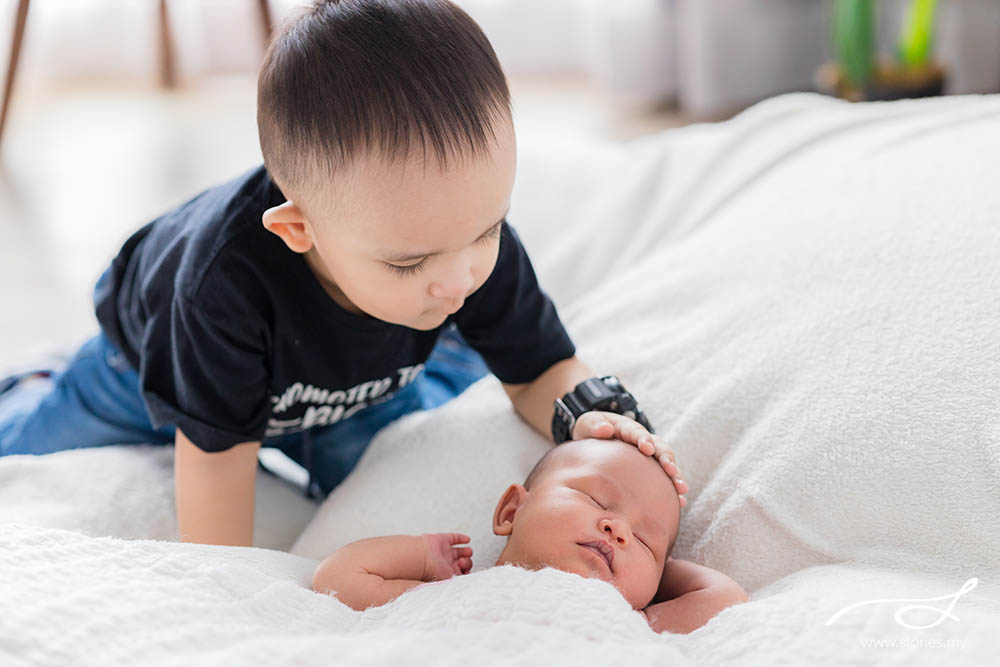

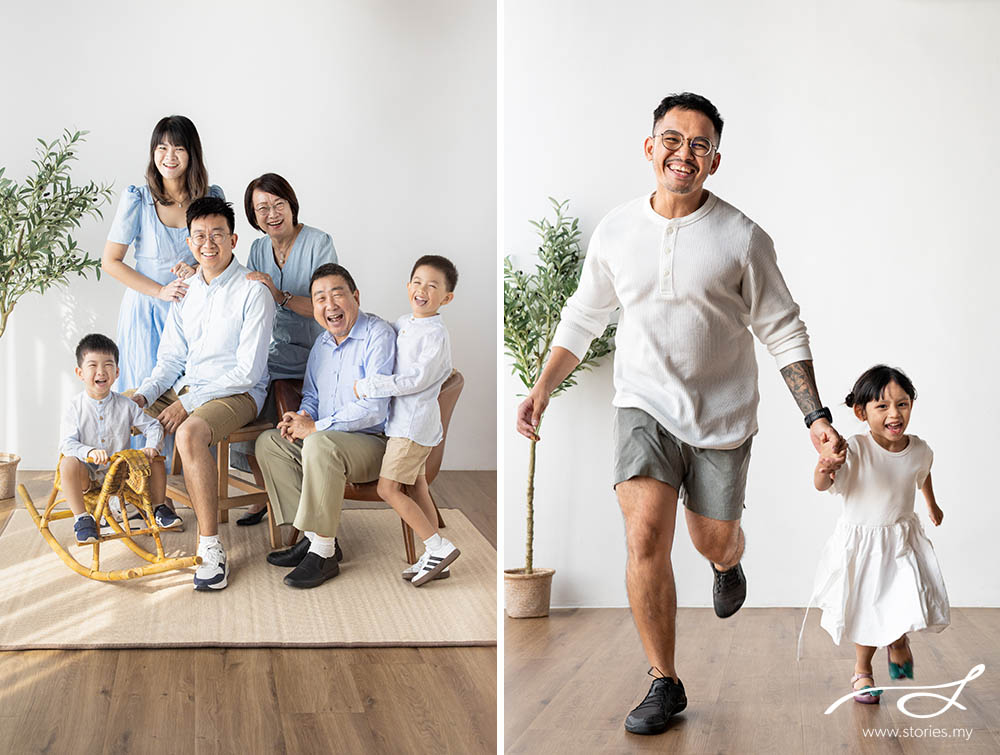
The second part of the photoshoot — candid moments

Once the key group photos are complete, the session becomes more relaxed. We’ll flow between posed and candid photos throughout the session. Rather than asking everyone to stand and smile, we’ll encourage interactions. Families may be asked to walk together, talk, play games, laugh, or simply spend time together.

The goal is to capture genuine and authentic moments. We’ll still provide guidance and suggestions throughout this session. You never need to worry about knowing how to pose or what to do next.
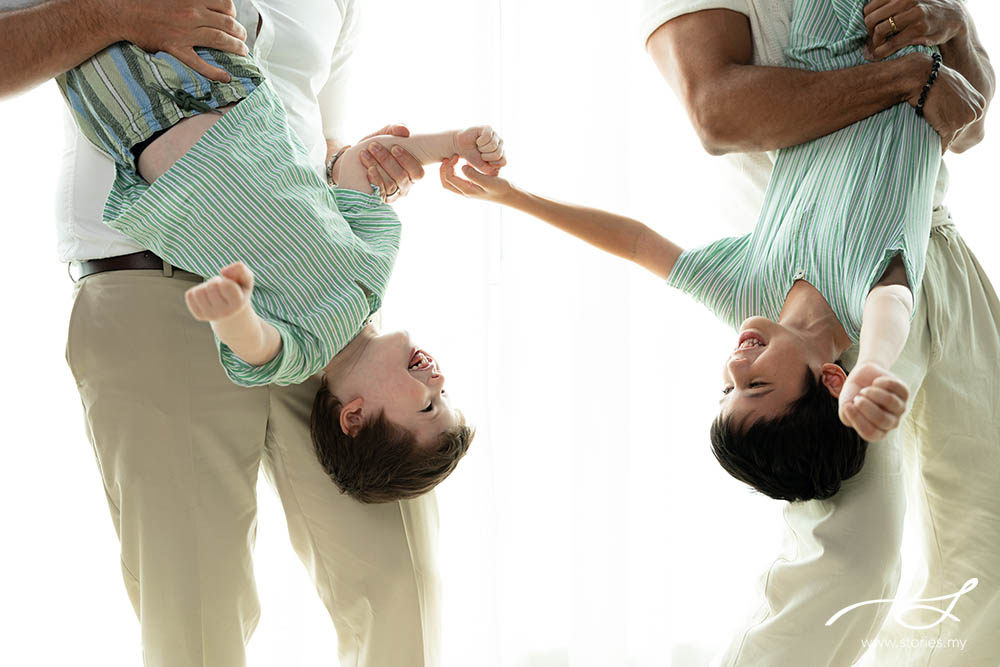
Wrapping up the session

As the session comes to an end, we’ll do a quick review of remaining combinations or requests that haven’t yet been photographed. This is also an opportunity to capture any final images family members may have in mind during the session.
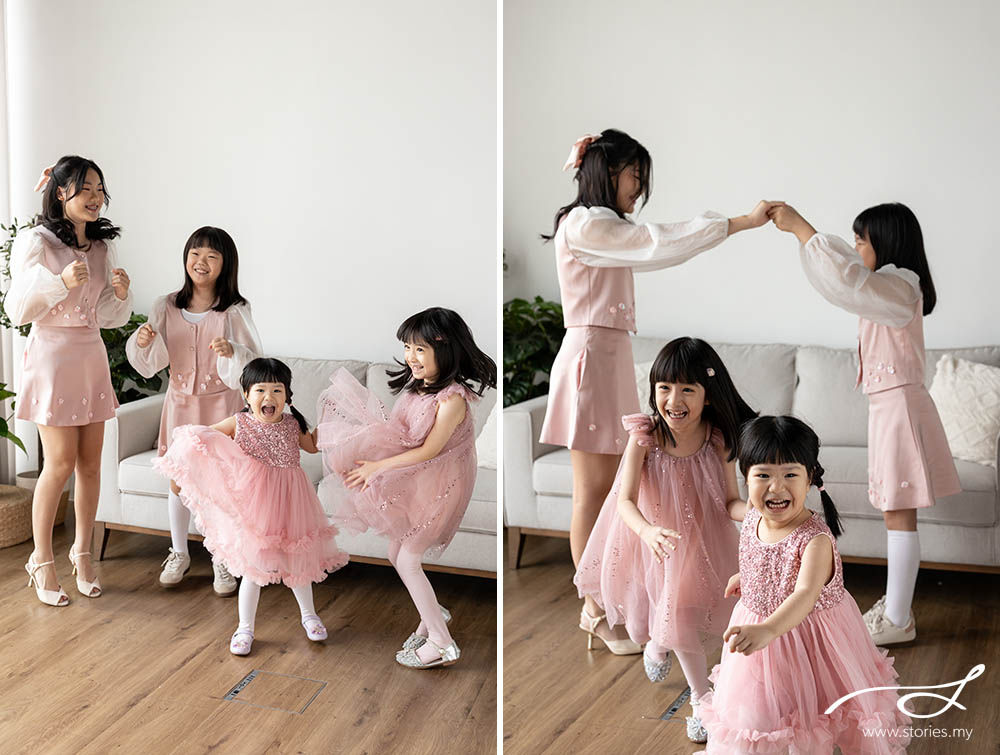

If you have children at the shoot, here’s how it’s going to go

Now, for those with children, you’ll probably be worried about how your children will behave. The good news? Children behaving like children is completely normal.

If a child becomes overwhelmed, shy, tired, or throws a tantrum, there’s no need to panic. It doesn’t mean the session is failing. In fact, one of the best things parents can do is to stay calm. If a child needs a break, we’ll simply adjust the schedule. They can have a snack, take a short break, or step away from the camera. We’ll simply photograph other family members.

What we try to avoid is creating additional pressure. Children can quickly sense stress if they’re scolded or forced into participating. Instead, we’ll work with the child’s energy.
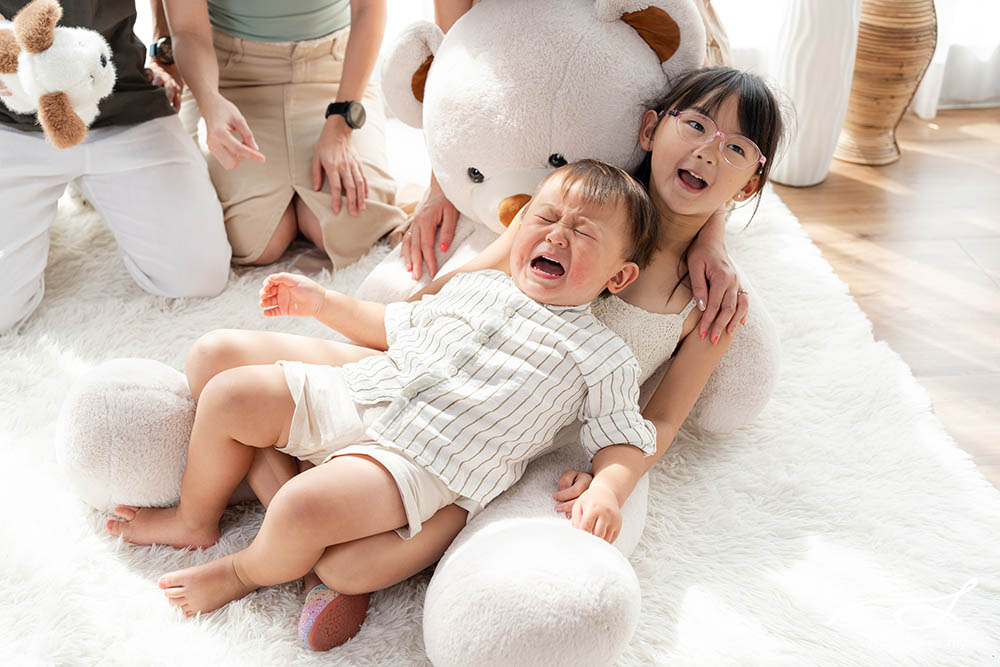
In the studio, we have a small slide-and-play area for children to settle in. Music will be used to create a relaxed environment. We also encourage parents to ensure their children are well-fed before the photoshoot.

Other than that, we recommend not allowing your children to use a digital device during the shoot, as it may cause disengagement and make it difficult to separate the child from the device. Most importantly, trust the process. Remember, experienced family photographers understand that children have good and difficult moments.

All of these are part of family life, and capturing your family as you are is the goal. If you’re still unsure about taking the next steps, do reach out to us. We’re always happy to chat, answer your questions, and help you plan a family photoshoot that works for everyone.

What is a Newborn Photoshoot and What Do To If You Miss The Shoot Window 

A newborn photoshoot is a specialised photography session that focuses on capturing images of your brand new baby in the early days of their life. A newborn photoshoot often features babies in sleepy, curled-up poses. While babies are generally considered newborns for the first few months, to a photographer, that window closes much sooner, after about 3 weeks. This is because babies above this age tend to be awake and less likely to spend time in the curled-up pose that makes newborn photography so special.

Most people don’t realise how small this window actually is, which is why it’s so important to plan your newborn photoshoot well in advance, ideally during your second or third trimester!

Posed Newborn Photography vs Lifestyle Newborn Photography 

Posed Newborn Photography 

When most people think about newborn photography, posed newborn photography is probably what comes to mind. This is the more classic approach, with the baby being placed in specific poses to show off their tiny features. Babies are often swaddled during the shoot and a variety of props (think wraps, knitted hats, and baskets) are used. You can also choose to do the session with your baby unclothed for a more minimalist look. 

Traditionally, a posed newborn photoshoot works best within the first few weeks after birth, when baby is sleepier and therefore more malleable to posing. Babies at this age also tend to enjoy being swaddled and in the curled-up position. This is why a posed newborn photoshoot is time-sensitive and best done before the 3-week mark.

Lifestyle Newborn Photography

Lifestyle newborn photography, on the other hand, is a more relaxed and informal approach, focused on the natural expressions and interactions between you and your baby. The outcome is a more candid photoshoot that aims to preserve the natural essence of the moment. We usually recommend this style be done at your home, as it adds a personal and meaningful layer to your story.

Because lifestyle photography relies less on posing, there is no strict age limit. But we still recommend taking the photos in the first month, especially if you wish to document those tiny, teeny features of your newborn that change so quickly. 

For an in-home session, you don’t need a Pinterest-perfect home, just a couple of softly lit spaces to work with. The nursery, living room, and parents’ bedroom are usually the best spots. A quick tidy of surfaces and some natural light goes a long way.

At Stories, our newborn photoshoot is a combination of the posed and lifestyle newborn photoshoots for the best of both worlds.

How to Prepare for Your Newborn Photoshoot

A little preparation goes a long way in helping the session run smoothly and stress-free. A Stories newborn photography session lasts approximately 1.5 hours in duration. You could do the shoot at our studio, your home, or your confinement centre. You can let us know if you prefer a more posed or lifestyle approach, and we will adapt accordingly. We will bring all the swaddles and some props for the session. Here are a few other things to keep in mind:

Before the session: Try to keep your baby awake in the hours leading up to the shoot. A well-fed, sleepy baby makes for peaceful pictures and a much calmer session for everyone. Feed and burp your baby right before the session begins, and avoid a full feed one to two hours beforehand so they’re ready for a proper meal just before you start.

What to bring: Pack at least one change of clothing in case of any accidents, as well as everything you’d normally need for feeding and changing. If there’s a special item you’d like included in the photos, a family heirloom, a handmade blanket, or a meaningful keepsake, let us know in advance.

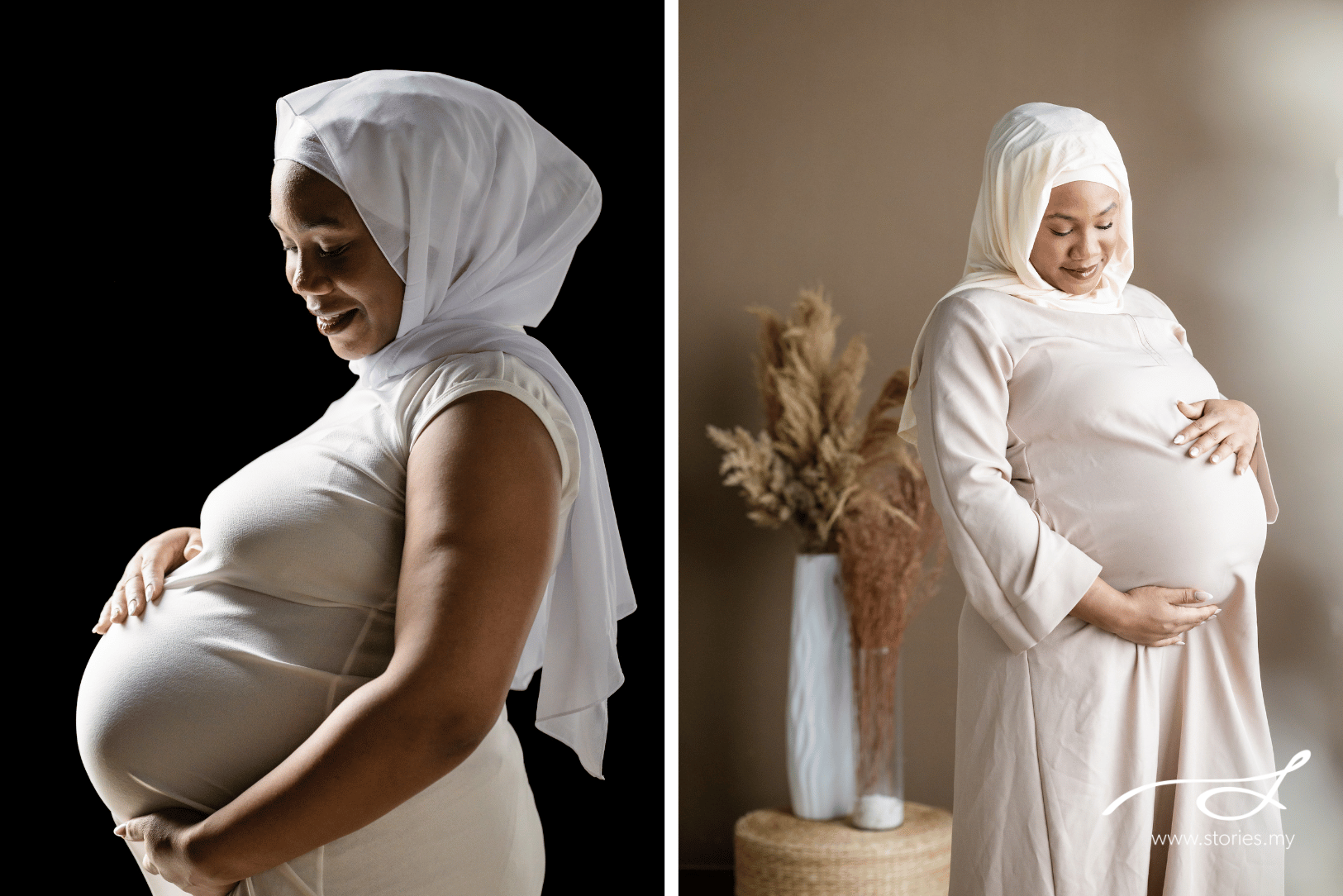
For parents: Wear neutral colours like creams and soft tones for the family shots, and avoid chunky jewellery or accessories that might distract from the main subject, your baby! We always take variations during the shoot, so you’ll definitely be included in the session. These moments pass faster than you think, and you’ll treasure them.

During the session: Try to stay calm and relaxed. Babies can sense tension, so the calmer you are, the more settled your baby is likely to be. Fussing and crying is completely normal, so don’t panic if your baby does that! We have seen it all and will work patiently with you.

What If You Missed The Newborn Photoshoot Window?

We get it; the first month of being a new mum is exhausting. Between all the crying, endless feeding and diaper changing (not to mention recovering from delivery), a photoshoot may be the last thing on your mind. 

If having a photoshoot in the first three weeks is not an option, don’t worry about it! Just because your baby isn’t a newborn anymore doesn’t mean you can’t still have a beautiful photoshoot. After all, babies don’t stop being cute, and any age is a good time to capture these precious memories.

If you do plan to take the photoshoot after the one-month-old mark, there are just a few things to take note of.

Since babies are more awake and active by then, we recommend a lifestyle photography session rather than a posed newborn shoot. Rather than sleepy, curled up poses, the focus will be on alert expressions, eye contact and perhaps even a smile. 

If you need more time for rest and the photoshoot gets pushed back even further, the sessions can always be customised to focus on baby milestones, such as tummy time, crawling, etc. You can see this article for some milestones worth capturing.

Having a baby is one of the most extraordinary phases of life. Regardless of when you choose to do your photoshoot, you will always cherish the photos and the memories of the session. 

What You Wear Matters More Than You Think

Let’s be honest. The first question before any shoot is always, “What should we wear?” Usually followed by a few outfit changes, a bit of overthinking, and at least one “does this match?” moment. And fair enough, it’s not always the easiest question to answer.

But maybe the better question is, “What tends to work well on camera?”

Because while a good outfit can elevate a photo, the right choices can really help everything feel a little more natural and put together, without taking attention away from you.

Let’s talk colours

Colours don’t just sit there looking nice. They’re doing quite a bit behind the scenes. They reflect light, affect skin tones, and influence how a photo feels overall.

Very bright colours can sometimes reflect onto the skin more than expected.
Very dark tones can feel a little heavier in photos.
And when there are too many different colours in one frame, it can start to feel a little busy. And not always in a good way.

This is why softer tones, neutrals, and earthy palettes tend to work so well. They keep things balanced and let the focus stay on people. Also, they are generally easier to match as a group, which helps when everyone is trying to agree on what to wear at the same time… which is usually where things get a little chaotic.

Things that tend to work better

Over time, we have noticed a few things that tend to photograph more smoothly:

  1. Coordinated over matching
    Outfits that complement each other often feel more natural than everyone wearing the exact same thing. A little variation actually makes the whole photo feel more alive and a lot less stressful to put together.
  2. Simpler patterns
    Smaller prints or textures tend to photograph more cleanly and keep the attention where it should be. Nothing too loud, nothing too distracting, just enough.
  3. Softer colour tones
    Muted or toned-down colours are usually more flattering on camera and easier to work with. They also tend to age better when you look back at the photos later.
  4. Comfort matters
    Outfits that feel easy to move in help you stay relaxed and present during the shoot. If you feel good, it shows. If you don’t, that usually shows pretty quickly too.
  5. Staying true to your style
    Photos always feel more natural when you look like yourself, just a little more put together. No need to suddenly become someone else for the day. You don’t need a whole new personality just for photos.

Where everything starts to click

So instead of overthinking every detail, here’s a simpler way to look at it. Think of your outfit as part of the overall frame, not the main focus.

Soft, balanced colours.
Simple textures.
Pieces that move easily with you.

And most importantly, something you feel comfortable and confident in. That usually does more for a photo than anything else.

If there’s one thing to take away

Photos are not really about the outfit. But the right outfit can help everything come together a little more naturally. More than anything, it’s about how you feel in what you’re wearing. When you’re comfortable, when you feel like yourself, it shows in ways you don’t have to think about.

So keep it simple, comfortable, and true to you. Because the best photos are the ones where you feel like yourself in them.

Oh, and this year’s colour of the year

Oh, and speaking of colours, Pantone’s Colour of the Year for 2026 is Cloud Dancer. Which, yes, is a very nice way of saying a really good shade of white. It’s a soft, airy white that leans slightly warm. Calm, minimal, and very easy to work with. The kind of colour that feels clean and effortless. It also photographs really well. It doesn’t compete for attention and pairs nicely with almost everything. It’s one of those colours that just works without needing too much effort.

You don’t have to go all in, but it works nicely as a base or layered with softer tones. And if nothing else, it’s a very safe option when no one can decide what to wear. What do you think, something you would wear for a shoot, or more of a background kind of colour? If you would like to read more about colours, check out this other blog post we wrote.

And if you are ever unsure what to wear, we are always happy to guide you through styling for your session.