fbpx Skip to main content
Tag

family

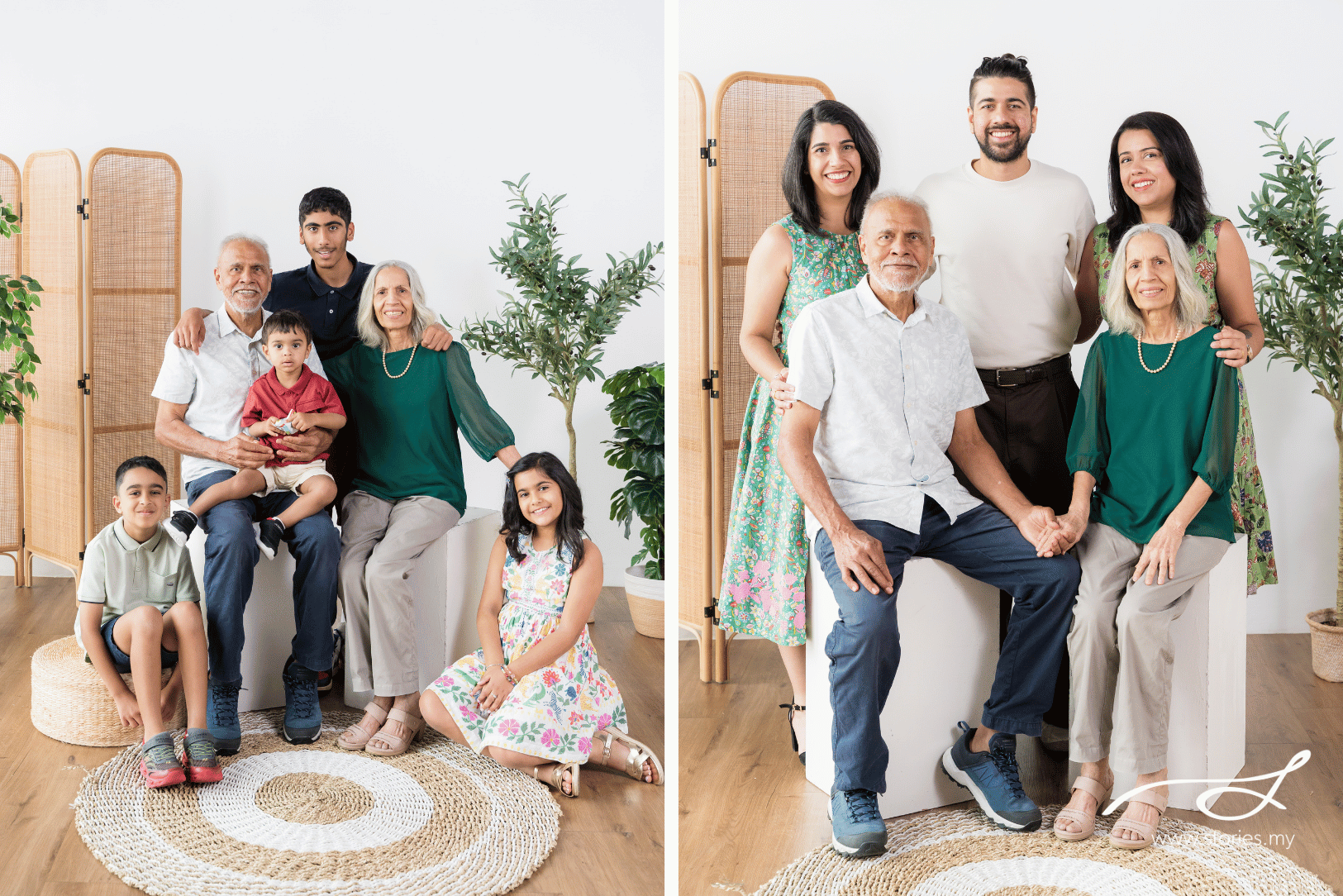
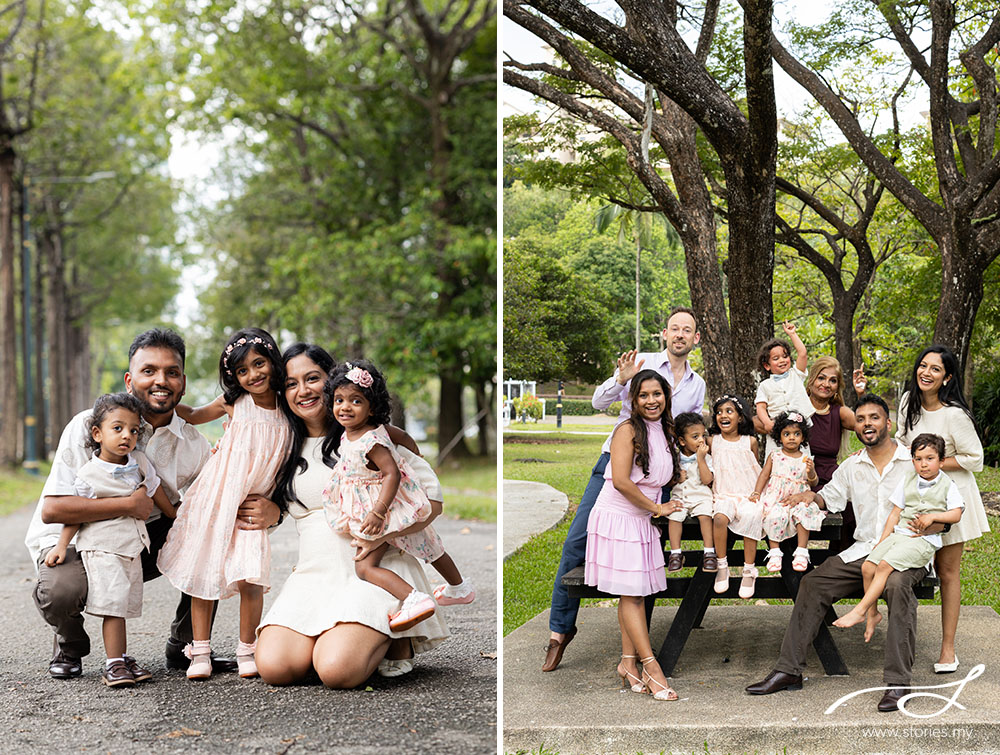
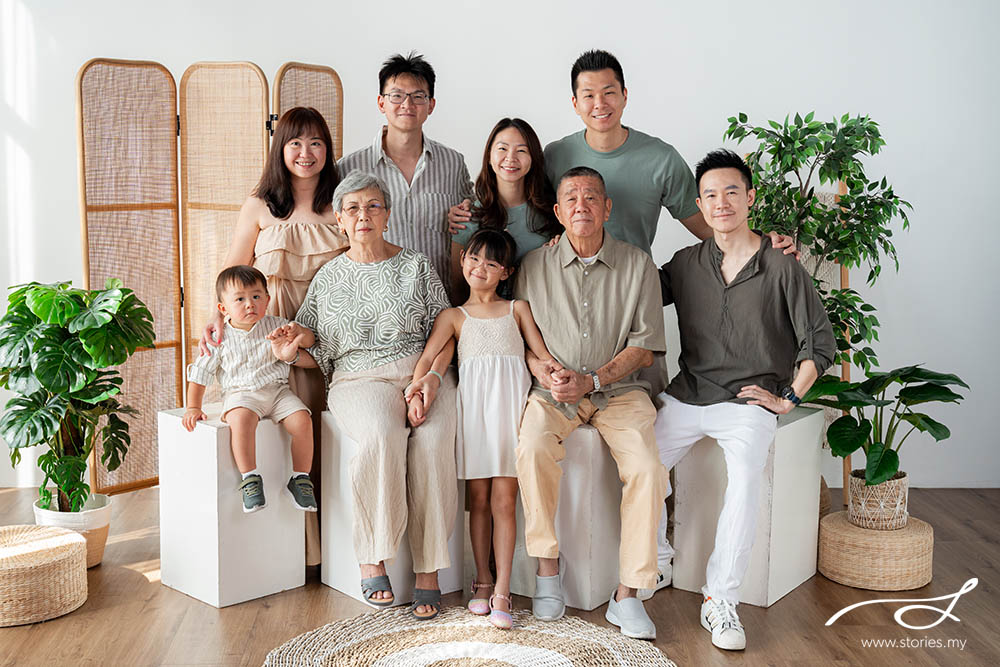
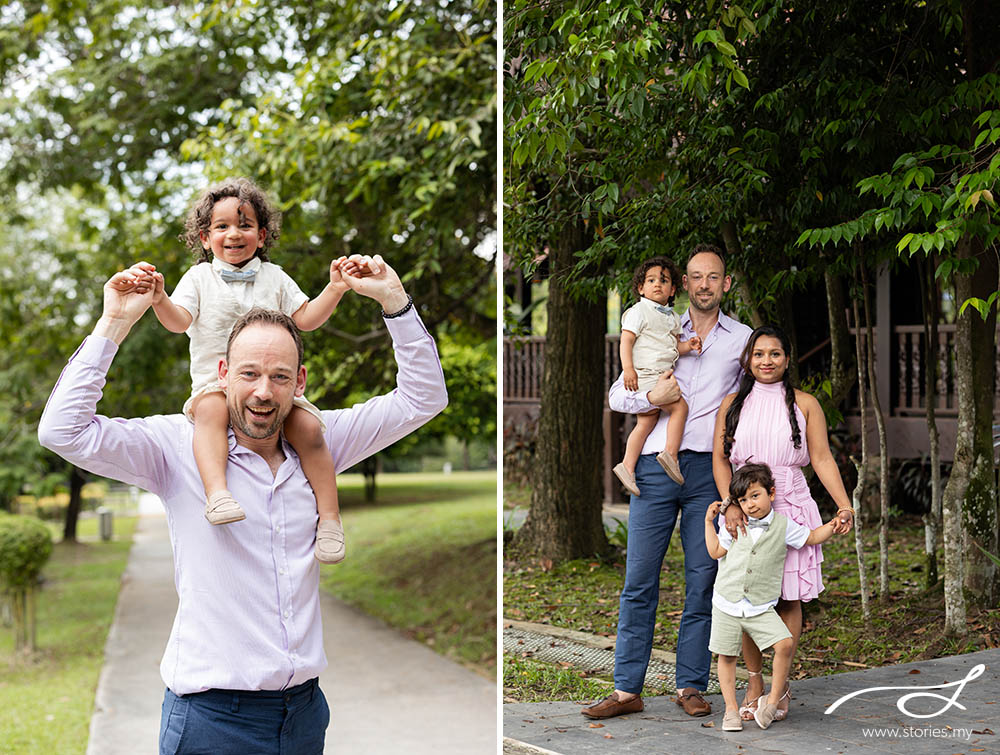
Here’s what happens during a family photography session: A walk-through

Family photoshoots can get…extremely chaotic.

Between booking a session, coordinating outfits, getting everyone out the door on time, and wondering if the children will cooperate, it’s completely normal to feel a little overwhelmed and uncertain.

That’s not all; you’ll even find yourself asking the same questions:
Will an hour be enough?
What happens if my child has a meltdown?
How will the photographers manage my large family?
Will the photos turn out the way I want?

The good news is that, with us, a family photoshoot is far less stressful than most people think. A lot of planning takes place long before the shoot, and we’ll guide you through every stage. Here’s everything you should expect, from the initial enquiry to the last photo taken.

Before the family photoshoot even starts

Preparation begins the moment you reach out to enquire about a session. One of the first things we’ll discuss is the size of your family, as it helps determine the duration of the photoshoot.

Why? Well, smaller families (two to four members) may only need 30 minutes, while larger groups (five or more members) often require more time, typically an hour to two, and sessions rarely go beyond that. However, if you require a shoot that involves several outfit changes or have chosen a location that involves a lot of walking, it may take longer — even if you’re a family of four.

Once your booking is confirmed, we’ll send over a questionnaire and preparation guide to help us get to know your family better and ensure the session runs smoothly.

Some questions we’ll include in the questionnaire are:
– How many children will be participating? Do your children have any special needs we should be aware of?
– Tell us about yourself and your family.
– Do you have any specific requests, ideas you’d like to execute, or props you’ll be bringing?
– Please describe the outfits you’ve chosen for the session (formal, casual, colours, etc).
– We’ll also ask about special needs requirements or anything that could help us create a comfortable environment.

For example, if a family of 15 is attending, it’s useful for us to know how everyone is connected and how you’d like the group photos organised. With all this information, we’ll be able to plan ahead so that everyone spends less time figuring things out on the day itself.
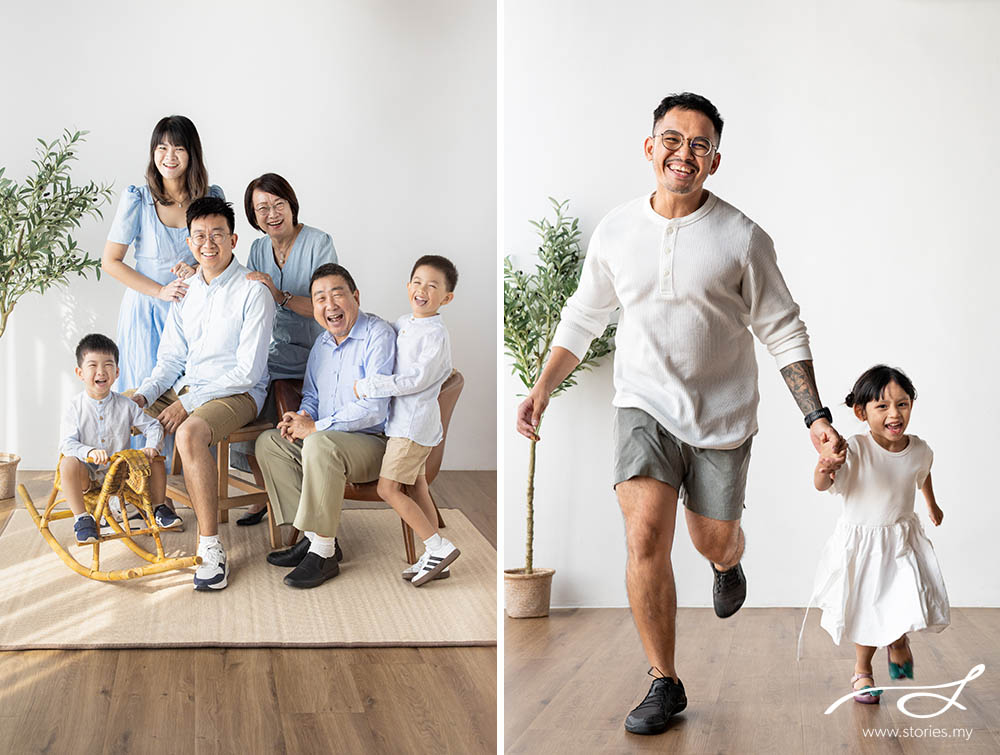

The first few minutes of the session

The day of your family photoshoot has arrived. Your session starts at 12 p.m., but rather than rushing in right on the dot, it’s always best to arrive about 15 minutes early. By this point, you’ve spent the entire morning getting everyone dressed and double-checking that nobody has forgotten anything important — it’s basically chaos.

Arriving early will give your family some time to wind down and get used to your environment. At the same time, our photographer will take a few minutes to chat with your family — to get acquainted and understand the dynamics between each member. If your family photoshoot is taking place outdoors or at home, our photographer will usually arrive earlier to assess the location, understand the space, identify the best spots, and determine how to make the most of it.
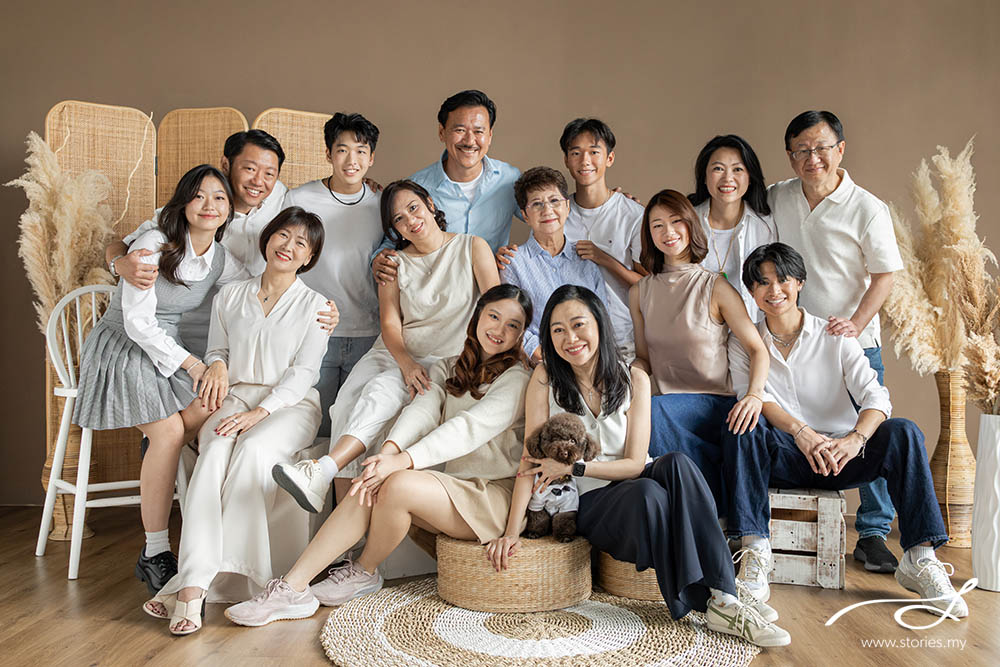

The first part of the photoshoot — traditional family portraits

Once the photoshoot begins, we’ll typically start with the more traditional family photographs. For large families, these group portraits are usually done first while everyone’s attention is fresh. For those with children, this is key, as they’re usually willing to listen during the opening part of the session, as they are curious when entering a new environment.

If you’ve already provided a shot list, we’ll take it into consideration and will advise accordingly. Basically, we’ll go according to the flow of what we think works best, based on the situation of the shoot. For example, we may try to photograph the families with the youngest children first, and adult-only photos will come last.
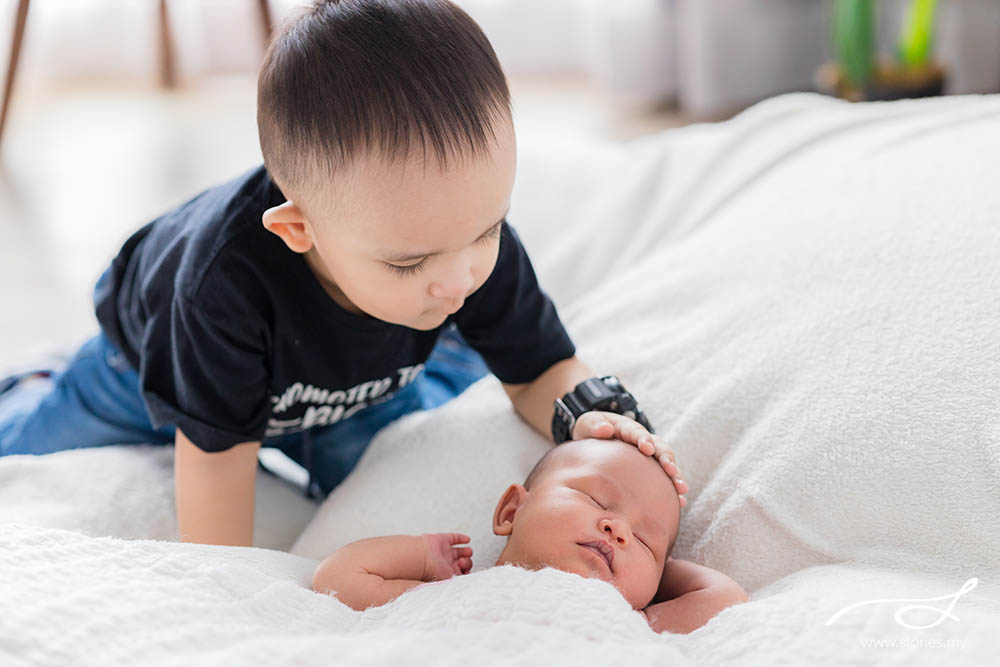

The second part of the photoshoot — candid moments

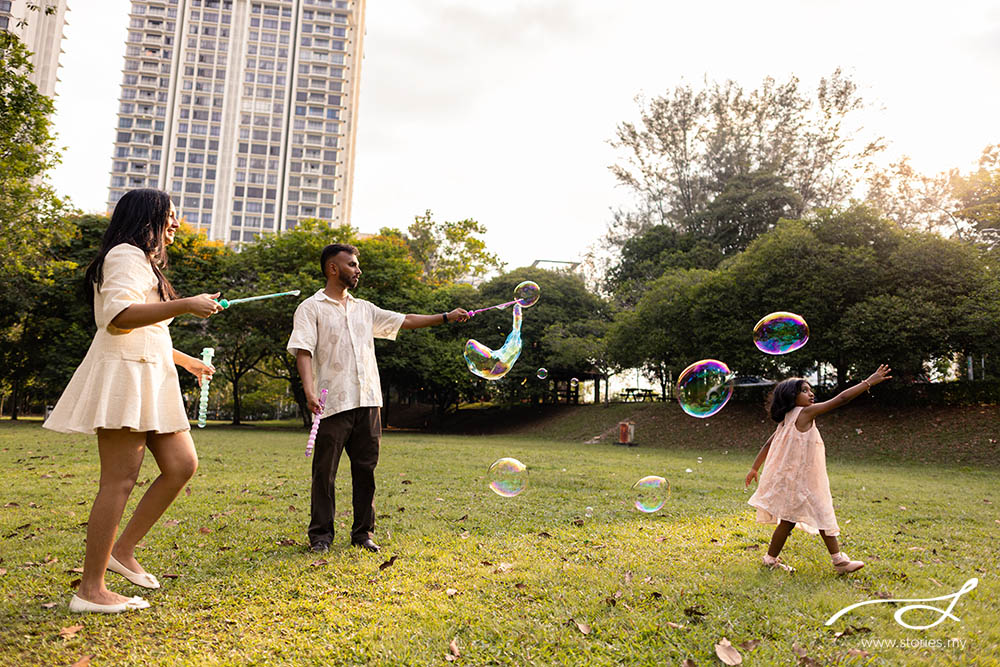
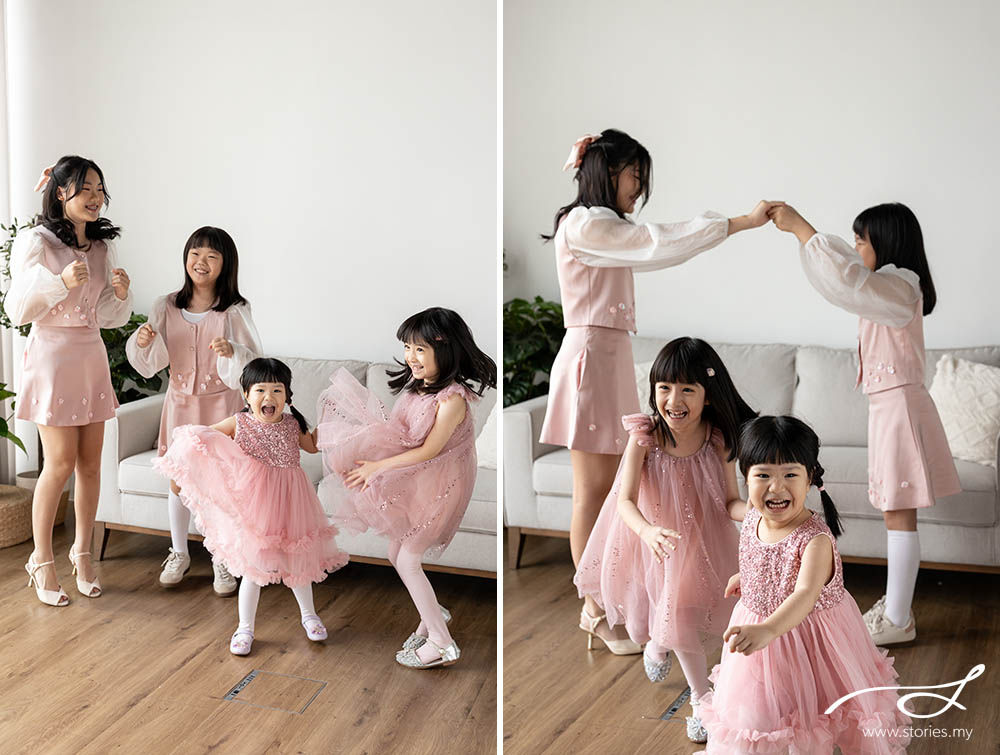
Once the key group photos are complete, the session becomes more relaxed. We’ll flow between posed and candid photos throughout the session. Rather than asking everyone to stand and smile, we’ll encourage interactions. Families may be asked to walk together, talk, play games, laugh, or simply spend time together.

The goal is to capture genuine and authentic moments. We’ll still provide guidance and suggestions throughout this session. You never need to worry about knowing how to pose or what to do next.
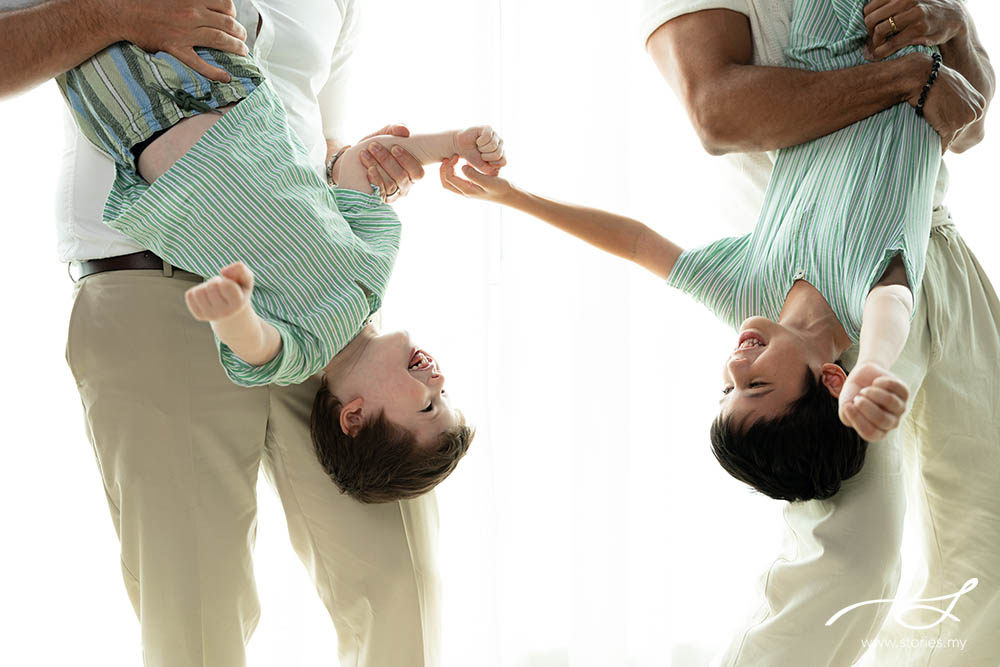
Wrapping up the session

As the session comes to an end, we’ll do a quick review of remaining combinations or requests that haven’t yet been photographed. This is also an opportunity to capture any final images family members may have in mind during the session.

If you have children at the shoot, here’s how it’s going to go

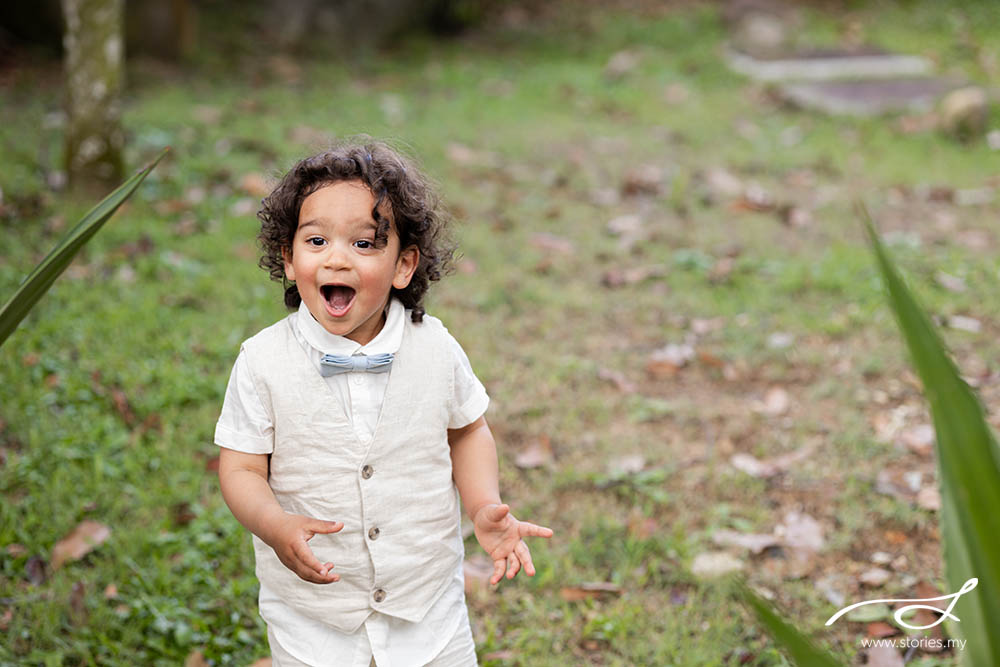
Now, for those with children, you’ll probably be worried about how your children will behave. The good news? Children behaving like children is completely normal.

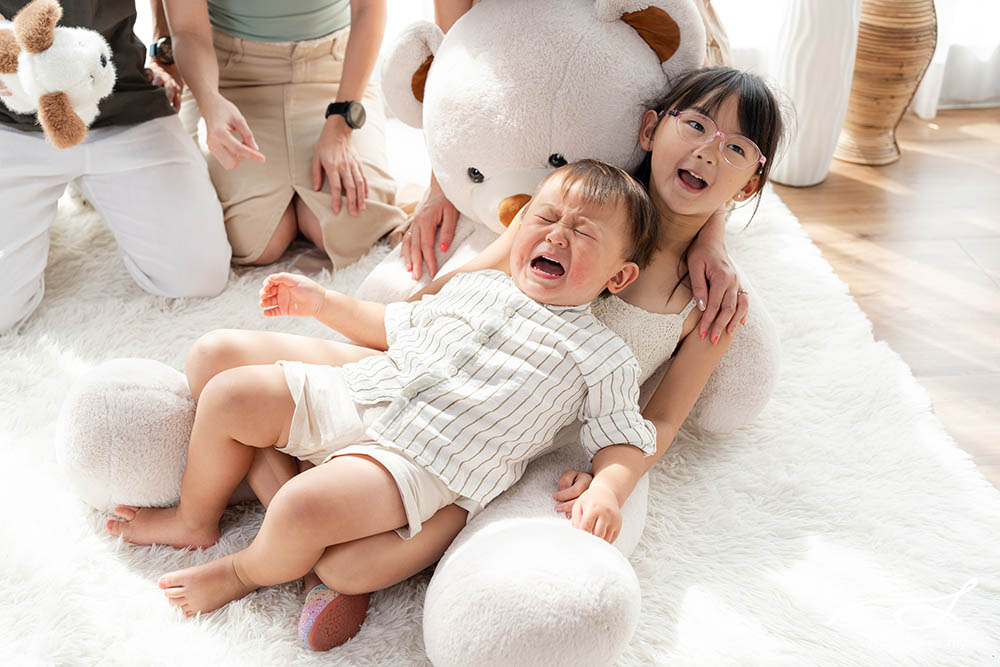
If a child becomes overwhelmed, shy, tired, or throws a tantrum, there’s no need to panic. It doesn’t mean the session is failing. In fact, one of the best things parents can do is to stay calm. If a child needs a break, we’ll simply adjust the schedule. They can have a snack, take a short break, or step away from the camera. We’ll simply photograph other family members.

What we try to avoid is creating additional pressure. Children can quickly sense stress if they’re scolded or forced into participating. Instead, we’ll work with the child’s energy.
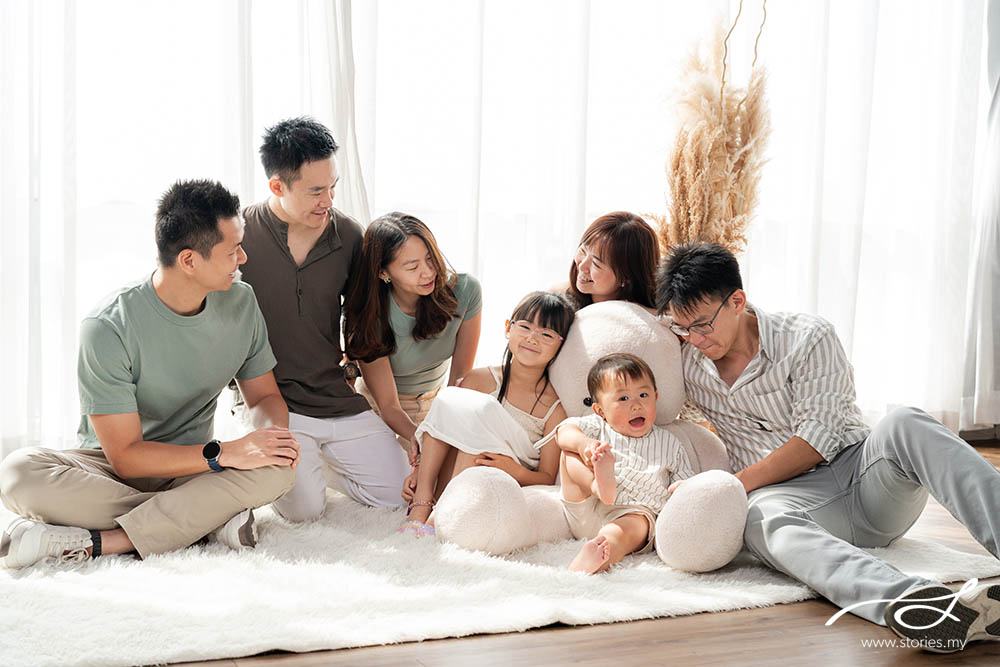
In the studio, we have a small slide-and-play area for children to settle in. Music will be used to create a relaxed environment. We also encourage parents to ensure their children are well-fed before the photoshoot.

Other than that, we recommend not allowing your children to use a digital device during the shoot, as it may cause disengagement and make it difficult to separate the child from the device. Most importantly, trust the process. Remember, experienced family photographers understand that children have good and difficult moments.

All of these are part of family life, and capturing your family as you are is the goal. If you’re still unsure about taking the next steps, do reach out to us. We’re always happy to chat, answer your questions, and help you plan a family photoshoot that works for everyone.

How to Arrange People in a Family Photo (Without Losing Your Sanity)

With Chinese New Year and Hari Raya coming up, many families start thinking about taking a proper family photo. What often sounds simple can quickly become stressful. Who stands where? How do we fit everyone in? Why does it look awkward even though everyone is smiling?

The truth is, most family photos don’t fall apart because of the camera or lighting. They fall apart because of arrangement. When people are placed with intention, the photo instantly feels more balanced, connected, and meaningful. It took me years to learn some of these lessons the hard way – by evaluating my photos and finally understanding what worked and what didn’t. Thankfully, 17 years later, I have refined my thought process during every photo shoot. So here are some practical tips to help you elevate your DIY family photos, whether you’re working with a small group or a big extended family.

1. Start with the number of people and the space you have

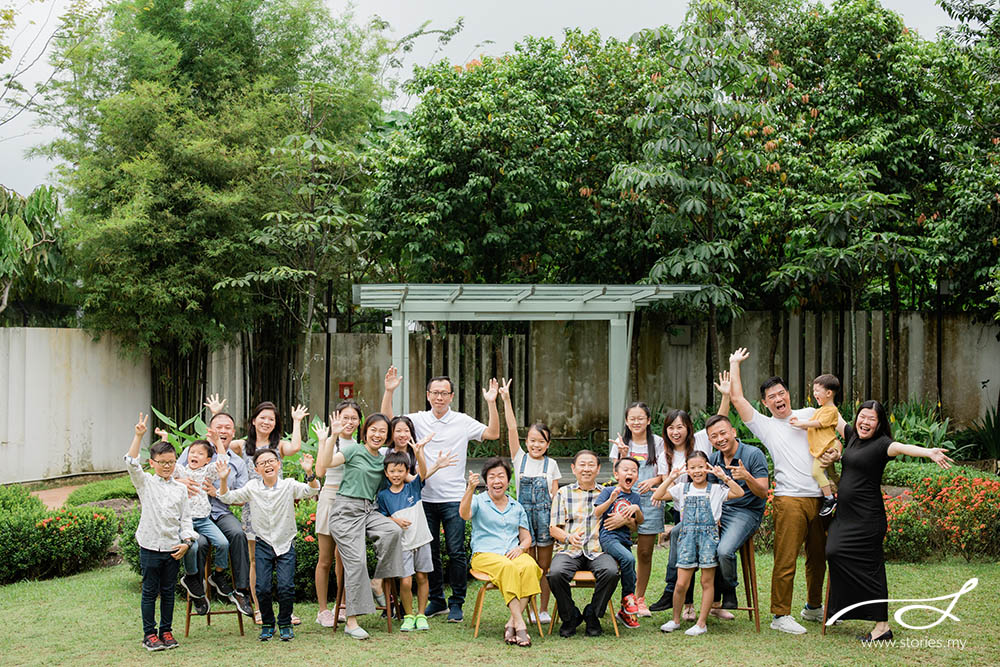
Before thinking about poses, first be clear about how many people will be in the photo. A group of 10 people needs to be arranged very differently from a group of 20. The size of the group determines how much space you need and how creative you can be with positioning.

More space makes things easier. It allows you to spread people out, create layers, and adjust without rushing. If the space feels tight, you will need to be more intentional about who goes where. This is exactly how I plan my family sessions, especially for larger groups.

2. Arrange people by relationships, not by height

One of the most important things I look at when photographing large families is the family structure. For extended families, I often ask for a simple family tree or a list of names and relationships. This helps me understand how everyone is connected.

For example:
Grandfather and grandmother
Their eldest son and his wife with two children (with age)
Their second son and his wife with two younger children (with age)

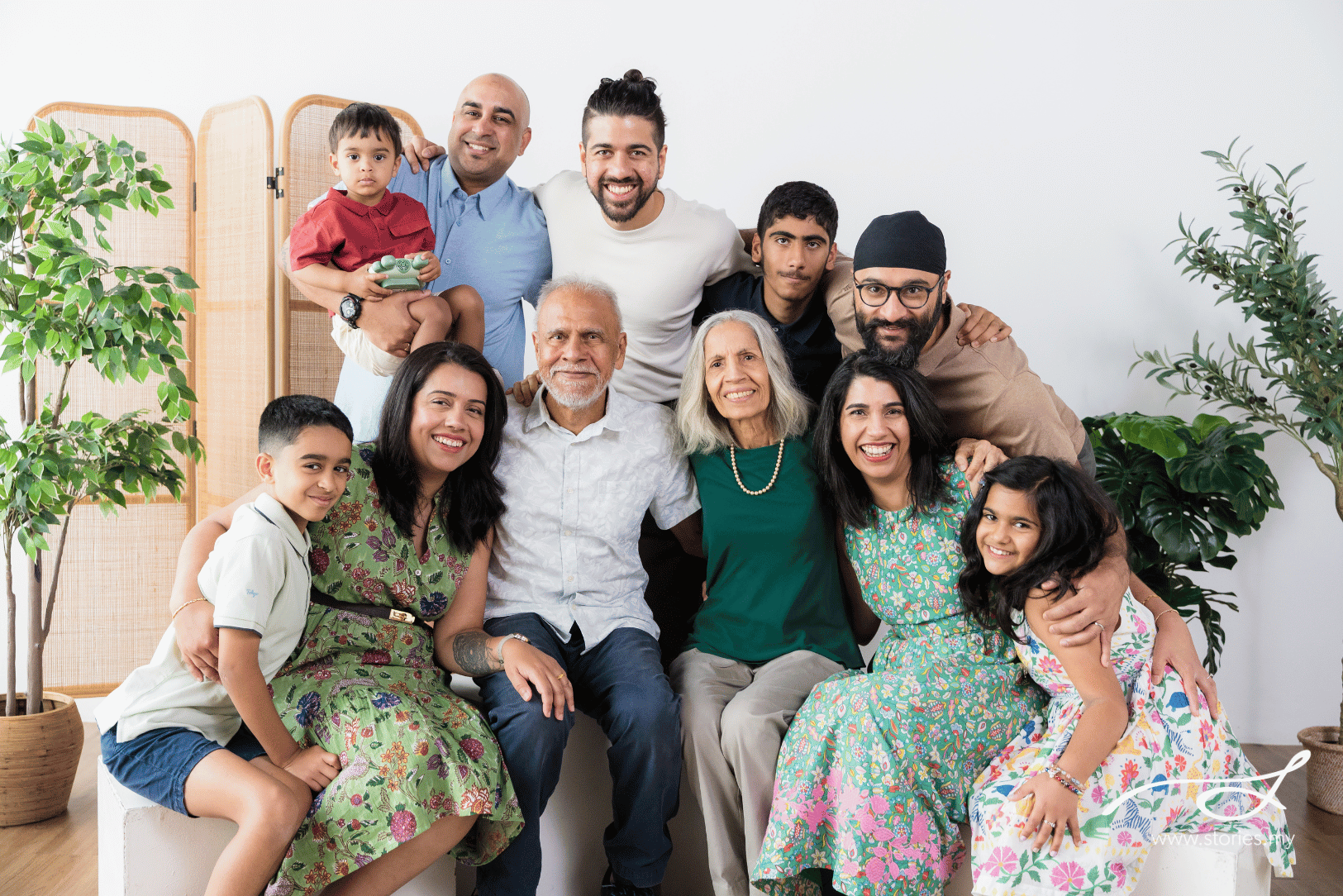
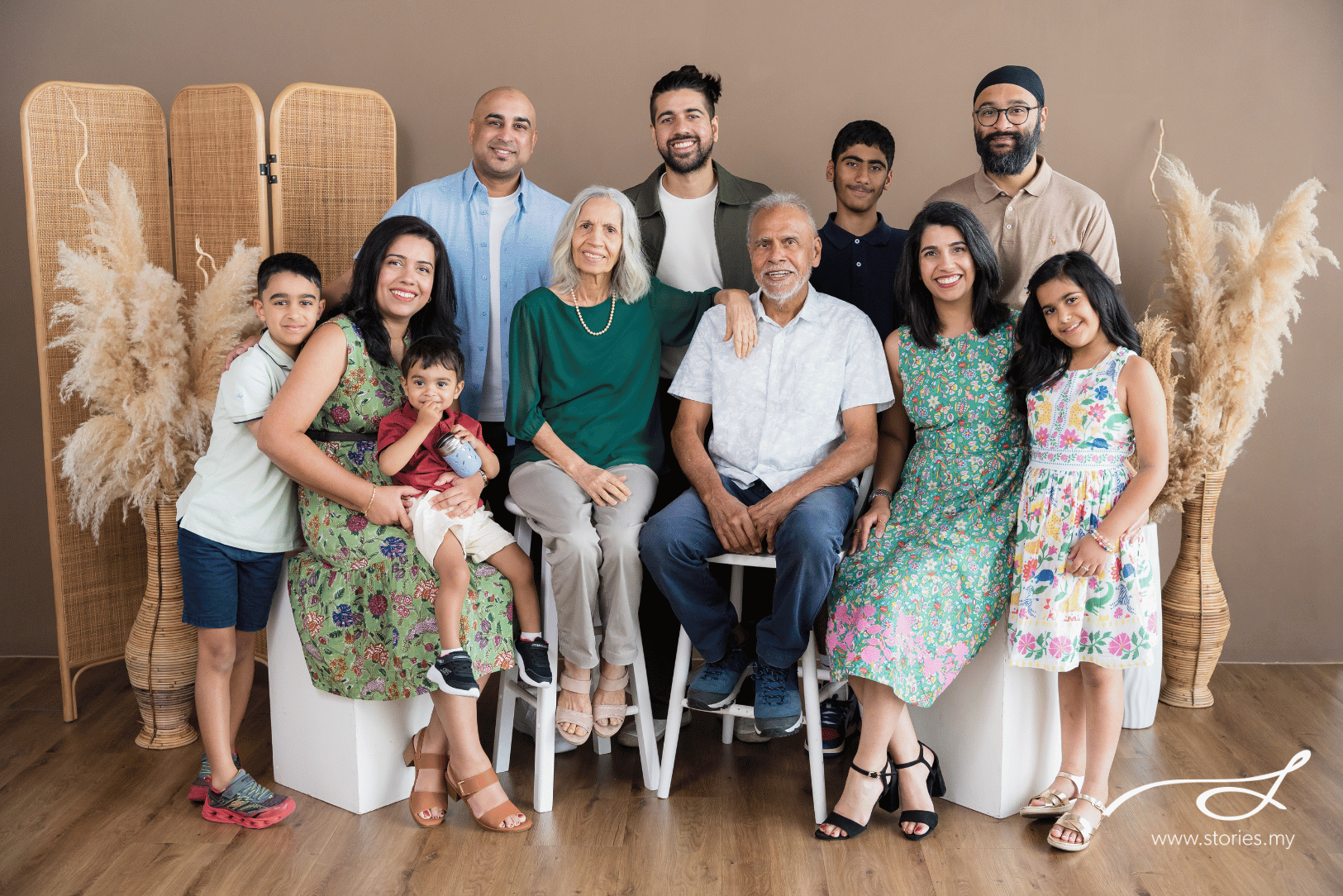
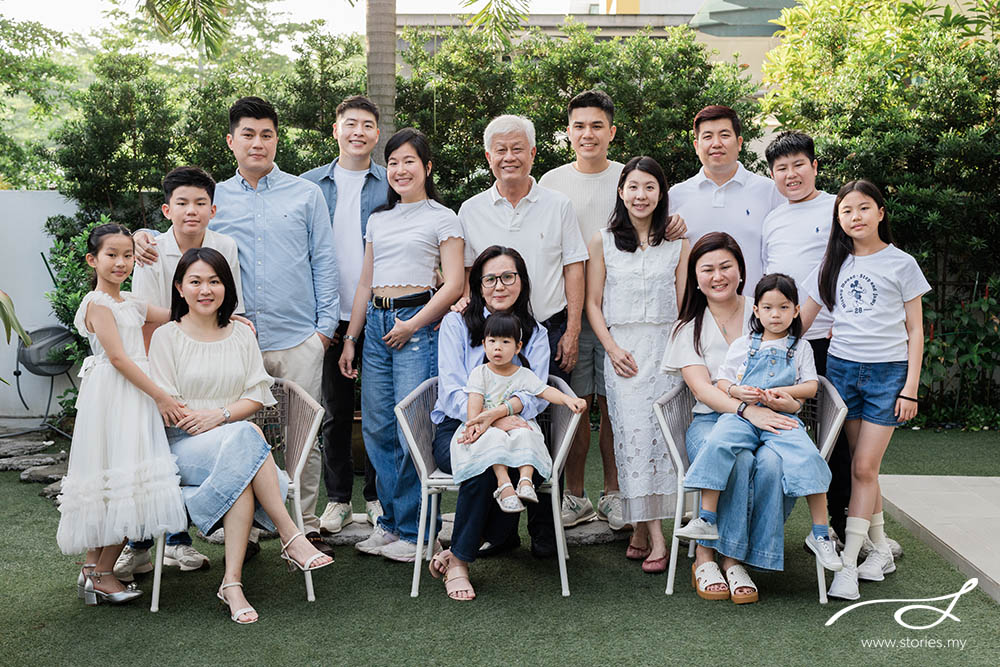
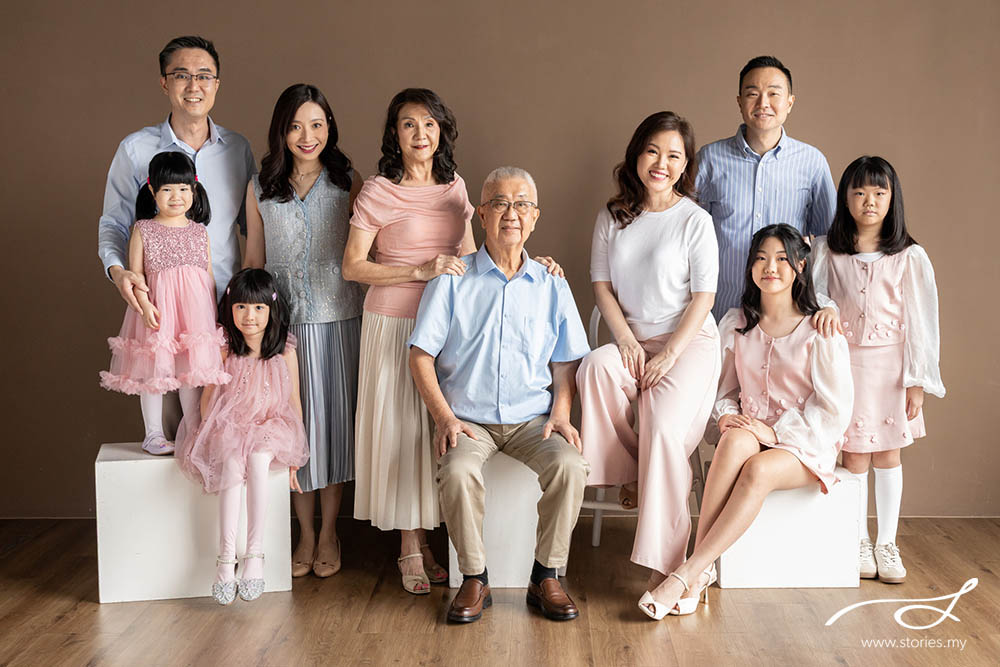
Once relationships are clear, the arrangement becomes much easier. Knowing the age of the children helps me a lot too because positioning a 1-year-old would look different from positioning a 16-year-old. I usually place grandparents in the centre as the heart of the family. Each nuclear family stays together, with children close to their own parents instead of being placed randomly in the group.

This approach does two things. Visually, the photo feels organised and intentional. Emotionally, people feel more comfortable standing with those they are closest to, and that comfort shows in the photo.

3. Create layers to add depth and interest
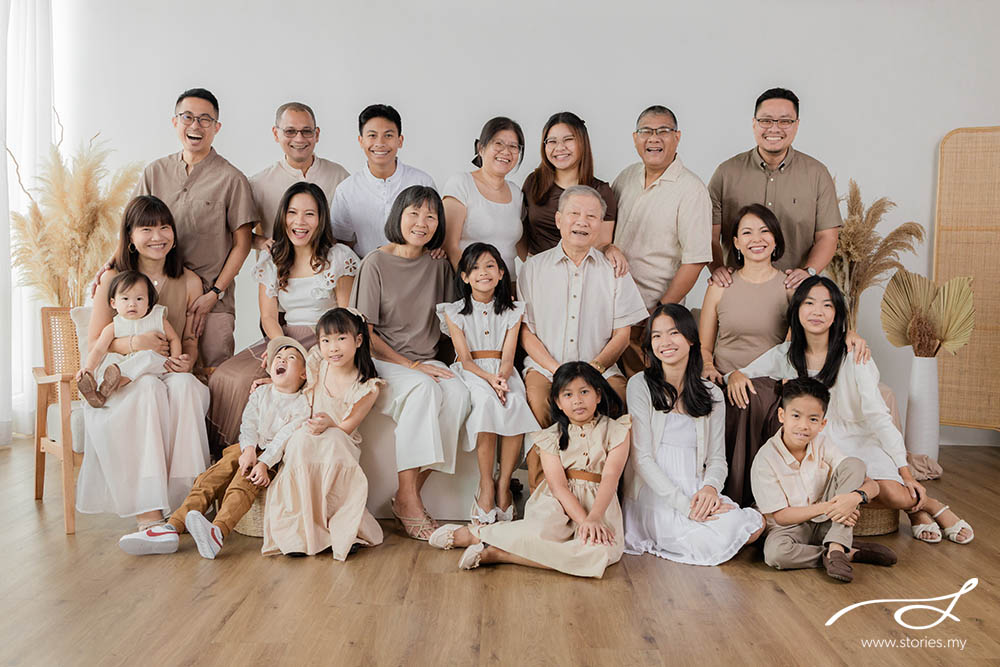
Flat rows tend to look stiff and uninspiring, especially for large groups. Instead, try to create layers by mixing sitting and standing positions.

Some people can sit on chairs or the floor, while others stand behind them. If you are outdoors, use stairs, low walls, tree roots, or rocks. Indoors, stools, boxes, or even the edge of a sofa can help create different heights.

For groups of 15 people or more, you may need two to three layers. Don’t be afraid to let children sit on the floor or stand on a higher surface with support. Layering helps everyone be seen clearly and makes the photo feel more dynamic and natural.

4. Look for triangles and varied heights
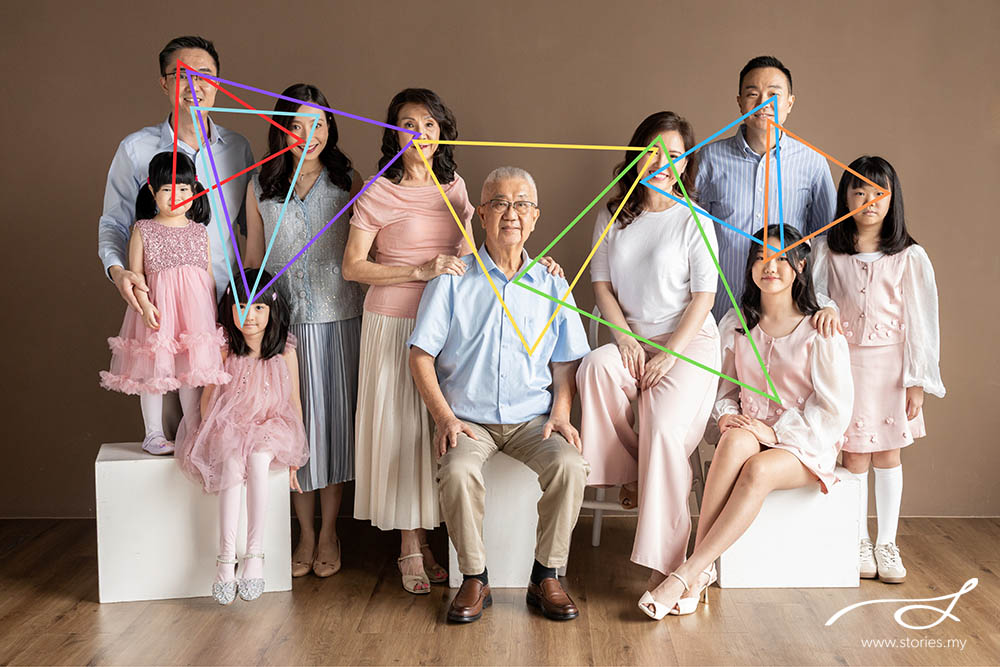
Once people are layered, pay attention to height differences. A tall person doesn’t always need to stand, and a shorter person doesn’t always need to sit. The goal is to create gentle triangular shapes throughout the photo.

These triangles guide the eye and make the composition more interesting. Think of it as creating small peaks and slopes rather than straight lines. Move people slightly, adjust where they sit or stand, and see how the overall shape changes. This is something photographers constantly fine-tune during a session, so take your time and enjoy experimenting.

5. Using a sofa without making it look boring
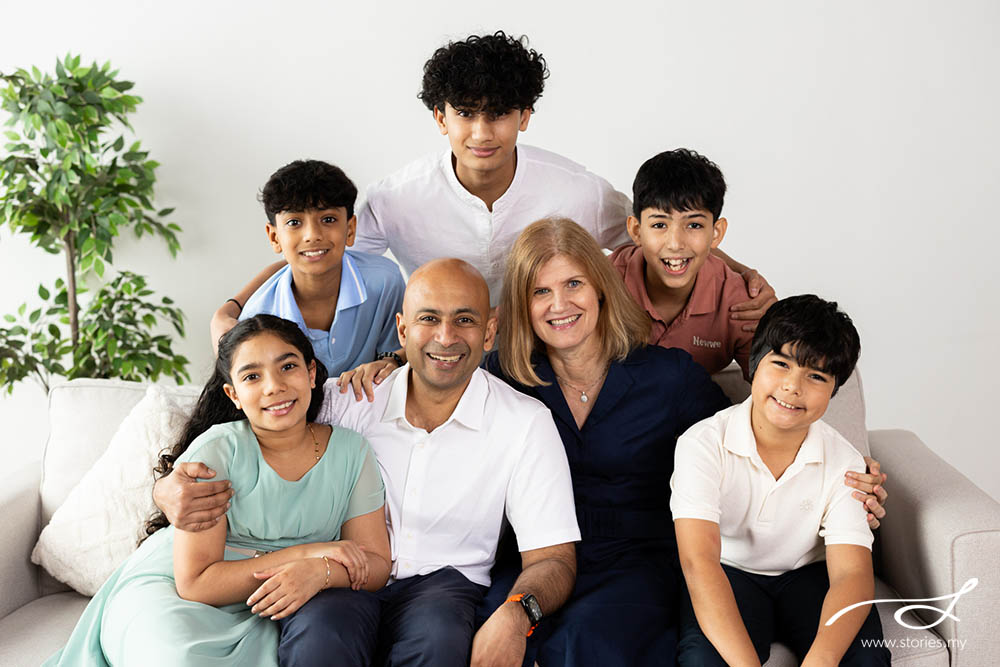
Sofas are common in home photos, but they can easily look dull if everyone sits in a straight line. Try mixing things up by asking someone to sit on the armrest with their legs turned sideways, or placing a few people on the floor in front of the sofa.

If there are people standing behind the sofa, bring them as close as possible to those seated so the group feels connected. For those sitting, ask them to sit slightly forward rather than leaning back fully. This helps with posture and keeps faces closer together.

Every sofa is different. Some are deep or bulky, so not every pose will work. Adjust accordingly and see what looks best in your space.

6. Keep faces close and take a test shot
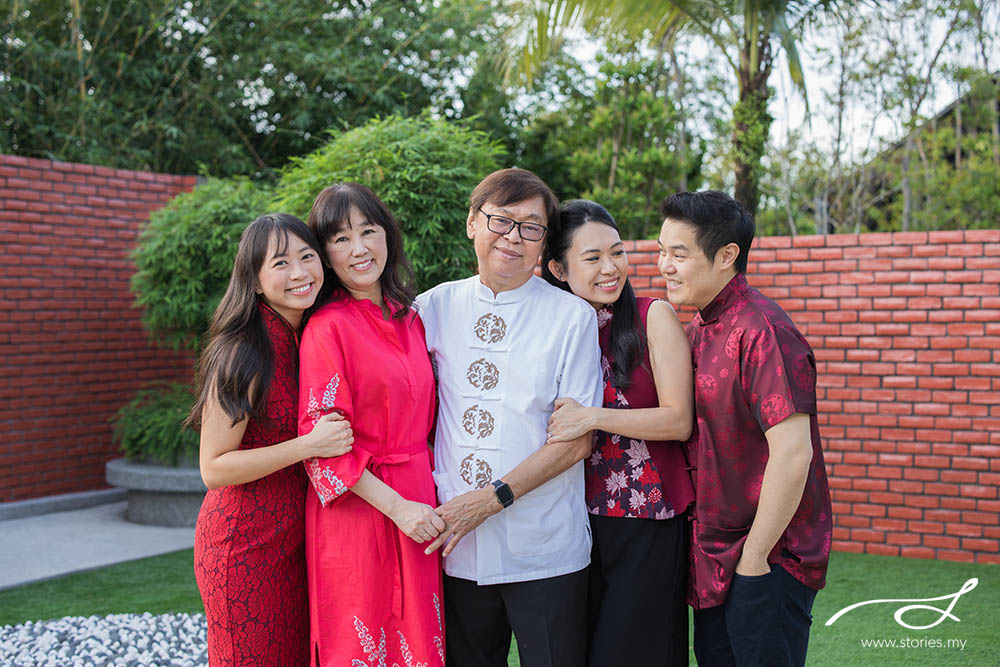
A simple tip that makes a big difference is encouraging people to lean in slightly towards one another. Small movements like shoulders touching or heads gently angled closer can instantly make the photo feel warmer and more connected.

Always take a quick test shot and review it. Look out for gaps, hidden faces, or anyone feeling too far away from the group. Make small adjustments instead of starting over. This is exactly how I work during professional sessions.

A final thought

Family group photos are not easy, especially when there are many personalities involved and different dynamics to the relationships. Don’t aim for perfection. Aim for connection. When people feel comfortable, seen, and close to one another, the photo will naturally feel right.

And if arranging everyone still feels overwhelming, that’s completely normal. This is where having a professional family photographer helps. My role is not just to take photos but to guide families gently through the process so they can relax and enjoy the moment together.

Parti 100 Tahun: Behind the Lens at Tun Dr Mahathir’s 100th Birthday

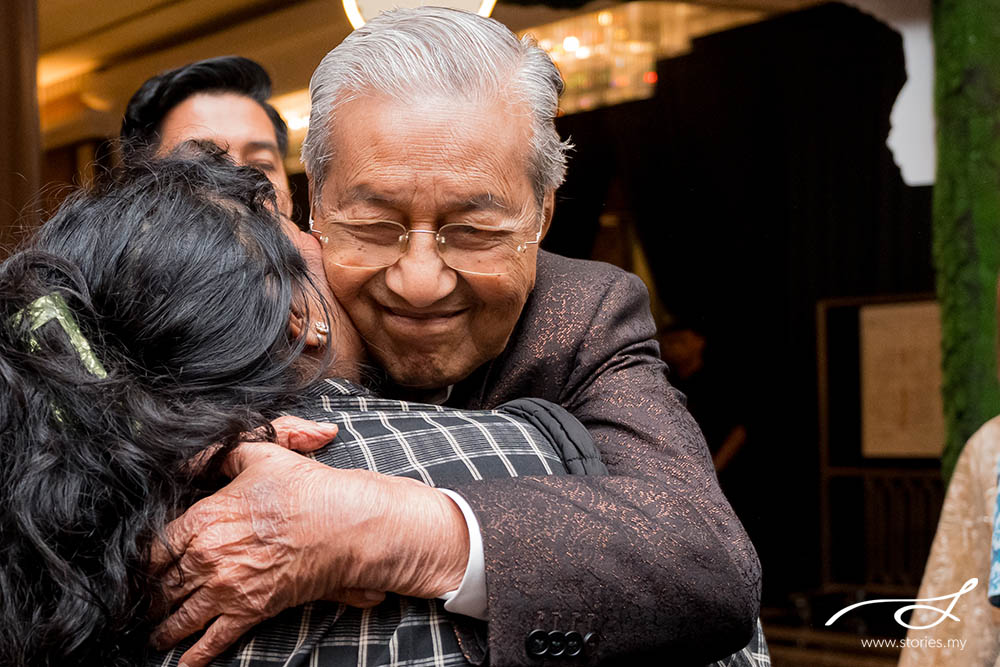
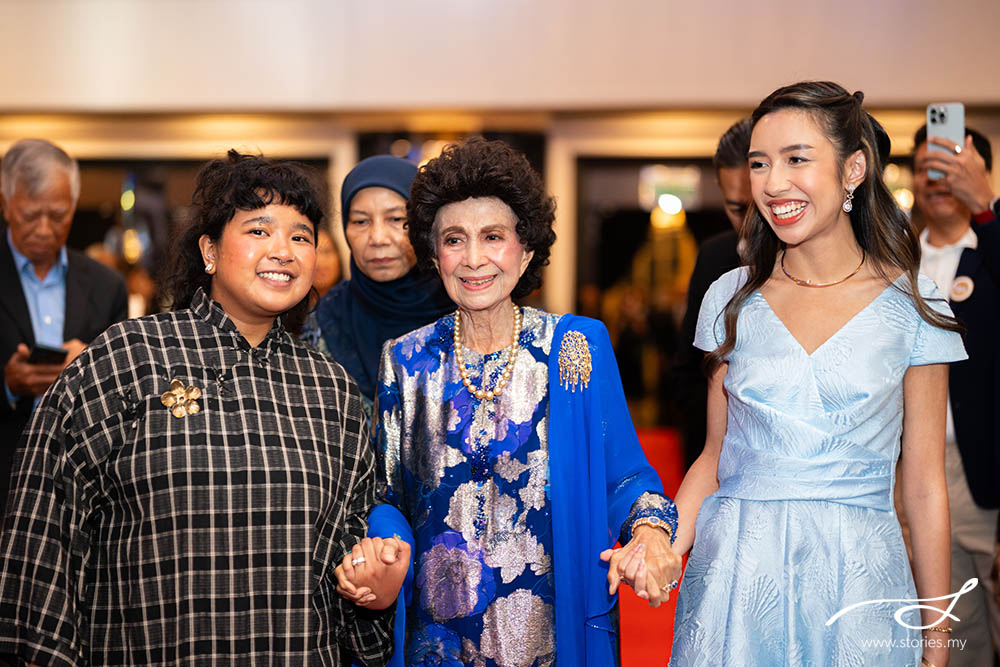
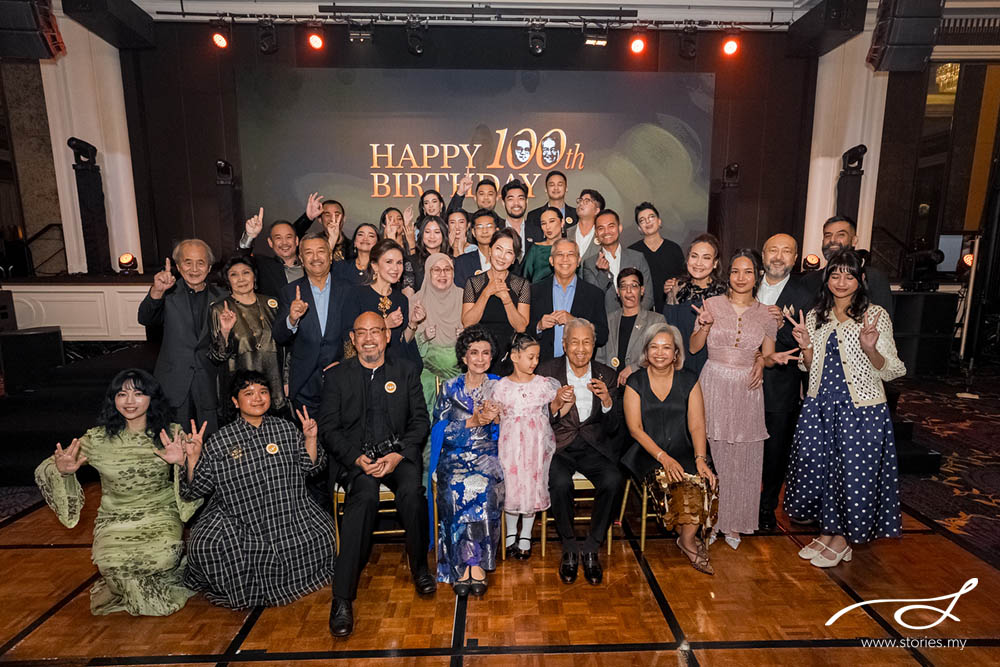
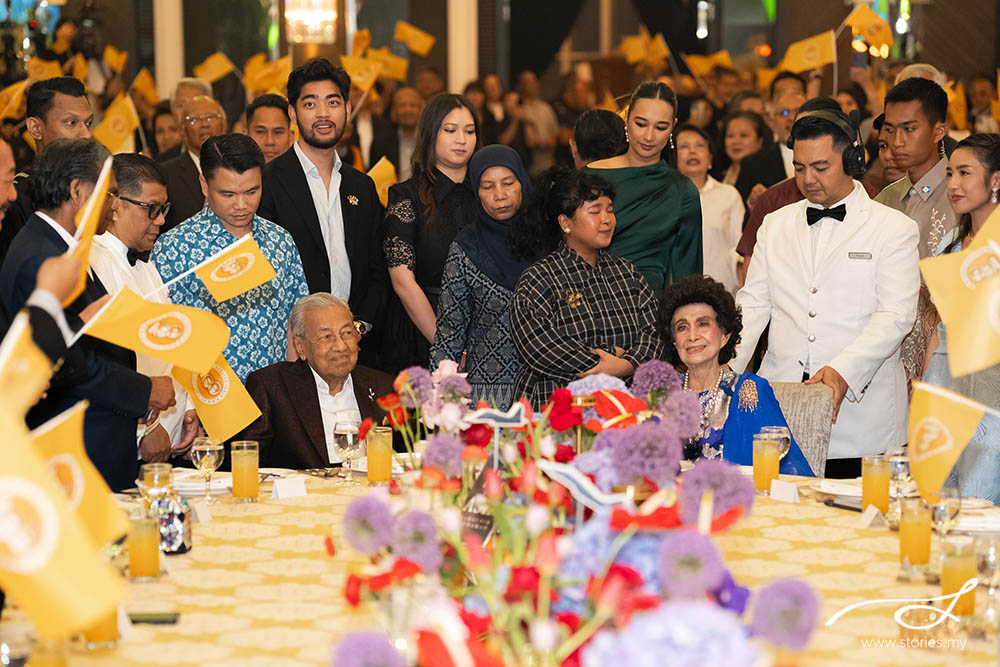
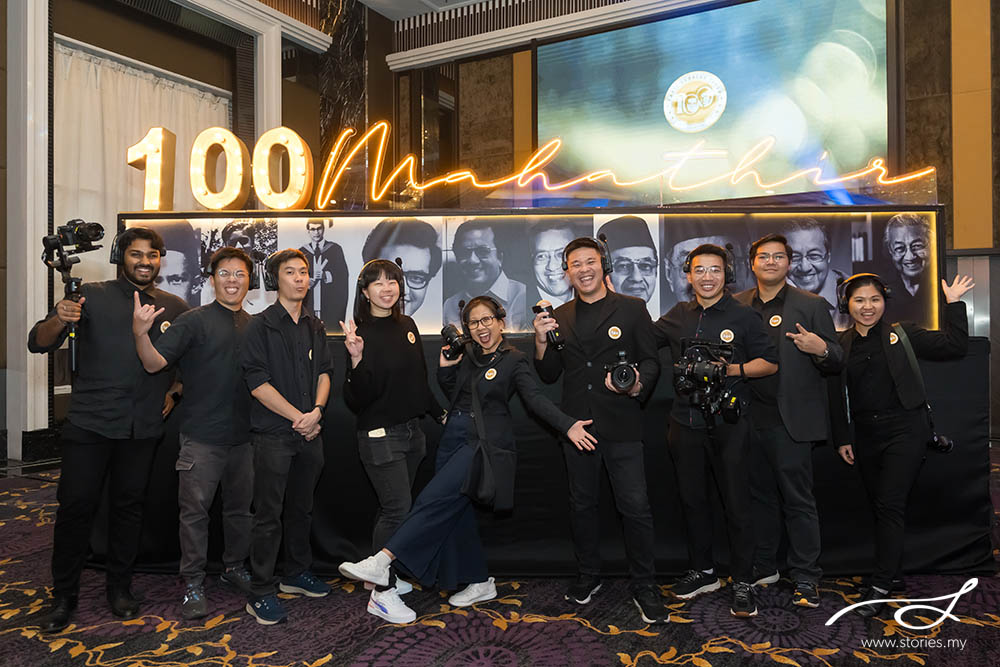
This Malaysia Day, we find ourselves reflecting on the people and stories that make our nation unique. A few months ago in July, our Stories team had the incredible privilege of photographing and filming a very special occasion — our previous prime minister, Tun Dr. Mahathir Mohamad’s 100th birthday, celebrated alongside his wife, Tun Dr. Siti Hasmah’s 99th.

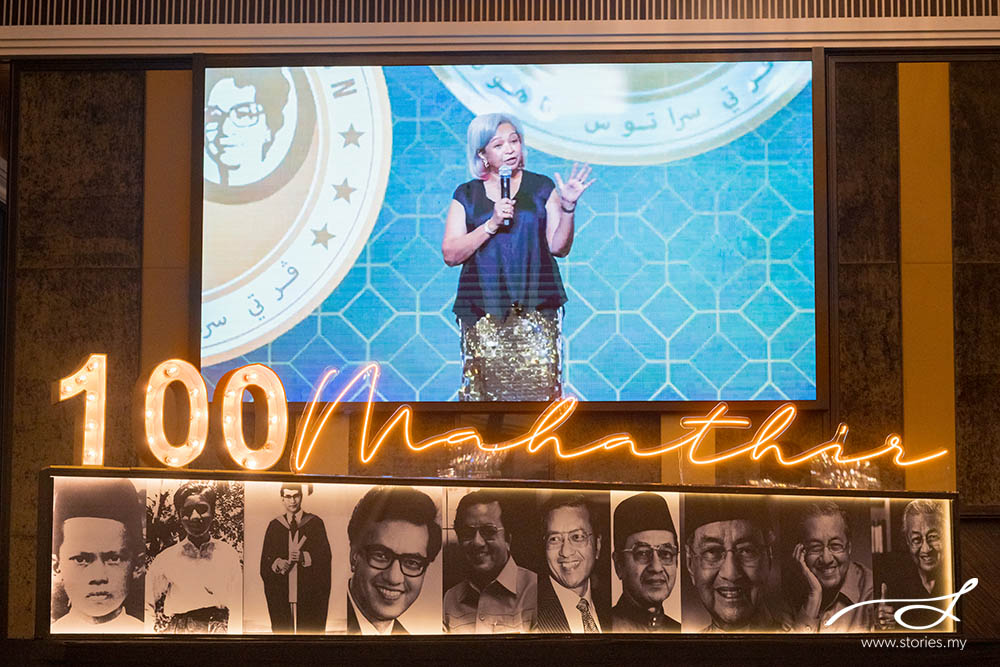
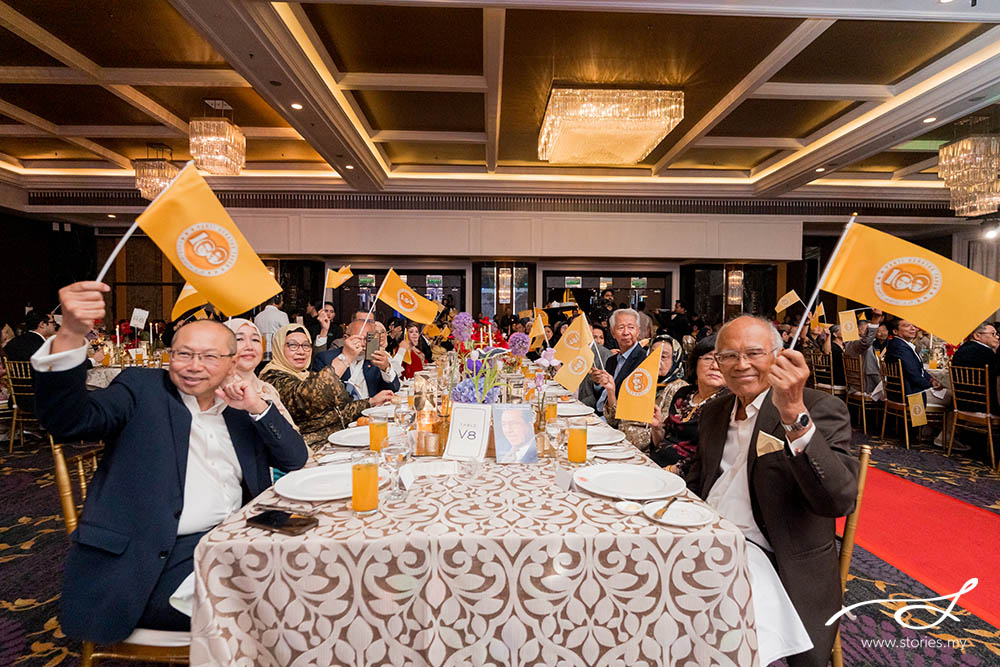
And what a celebration it was! The theme was playfully called Parti 100 Tahun — and no, it wasn’t a political party. Guests were invited to “vote” for their favourite version of the Tuns across different eras of their lives, from young doctor and student days, to the many roles they’ve held through the years. Party flags and button badges added to the light-hearted spirit.
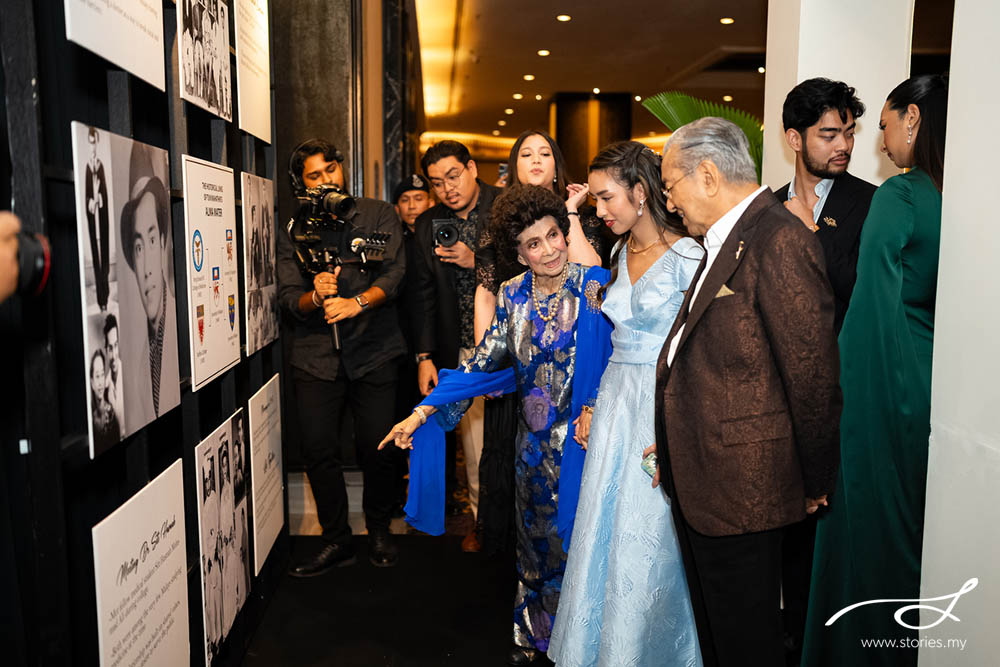
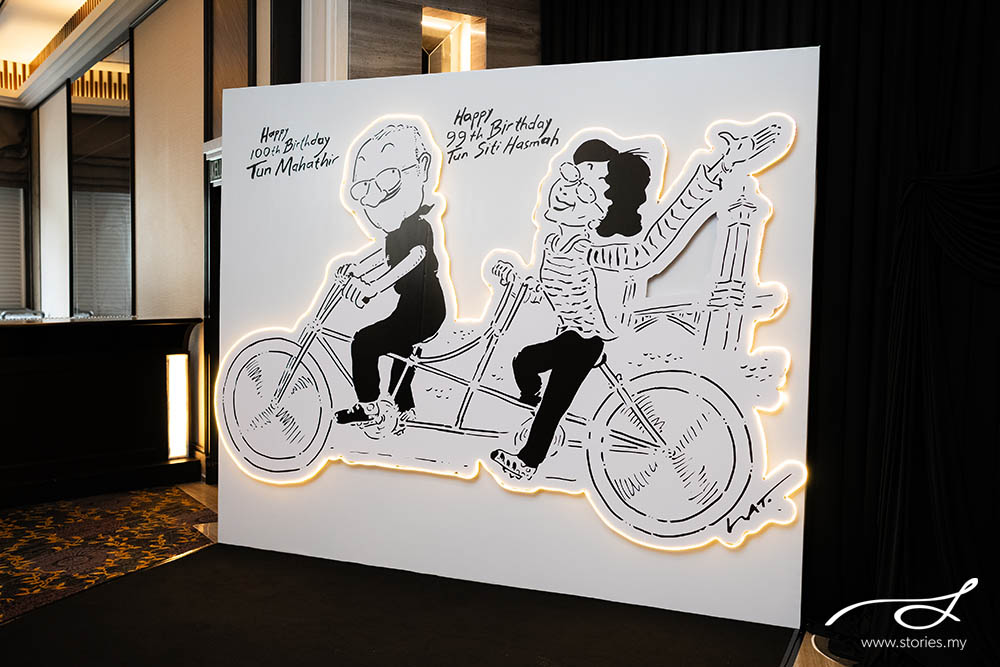
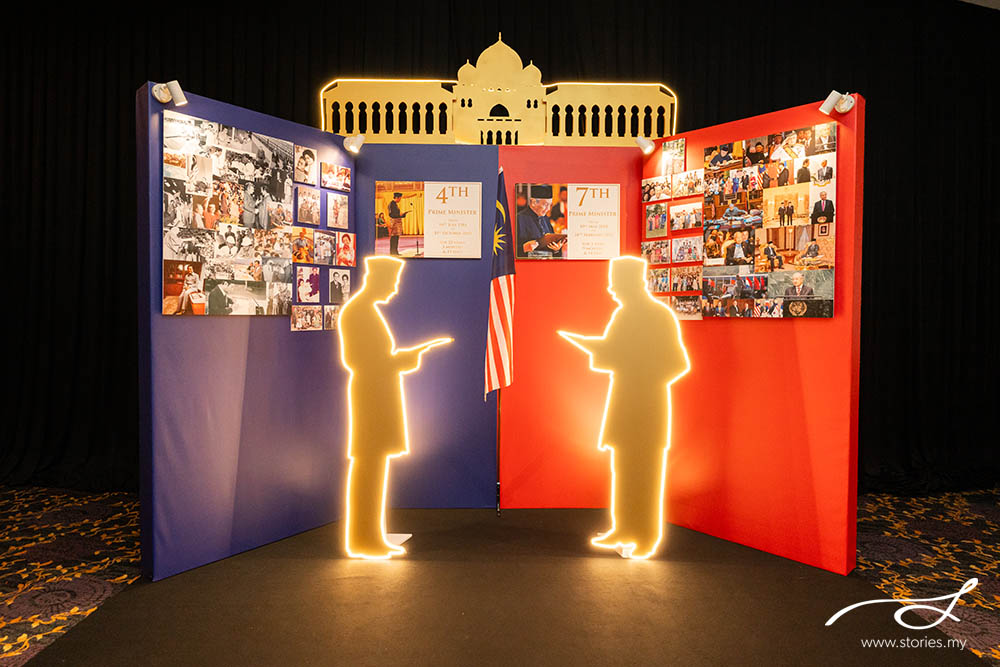
Before entering the ballroom at The Majestic Hotel, guests could wander through a foyer filled with exhibits from Tun’s life. There were iconic photographs from his journey, reminders of his past achievements, and even a charming mock-up of his old clinic. We loved the special caricature of the couple drawn by our beloved Malaysian cartoonist, Lat. The exhibits made the guests feel like  they were stepping into a living museum — a chance to walk through the decades and see the story of his life up close.
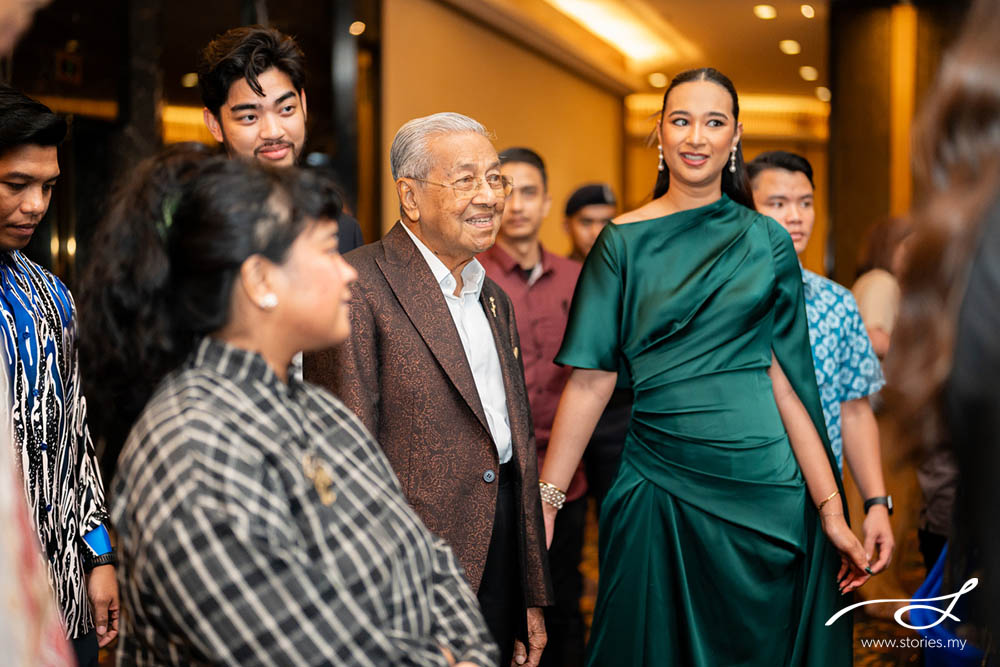
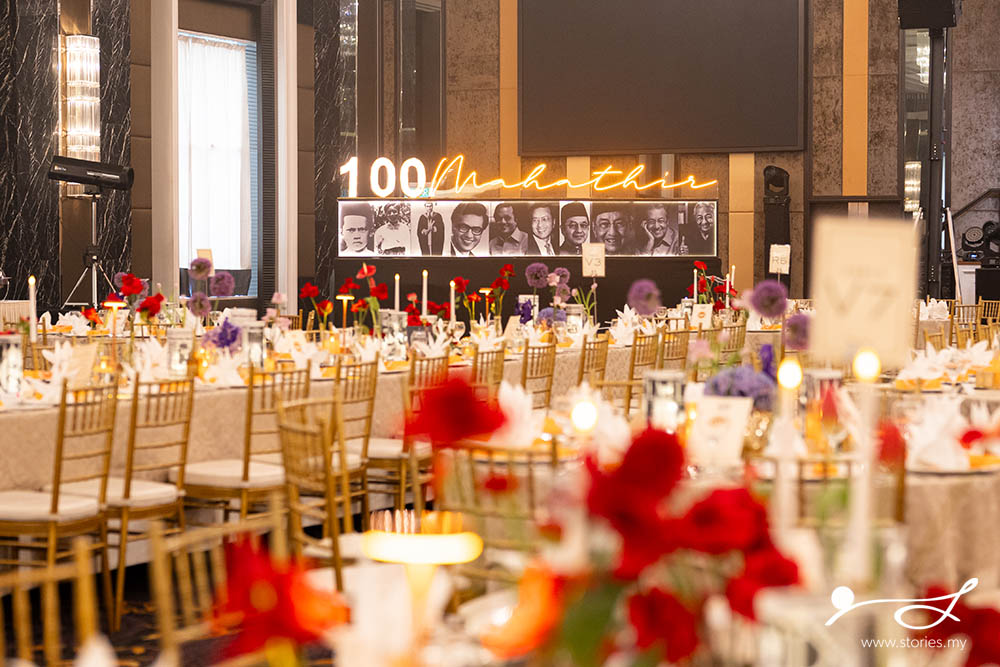
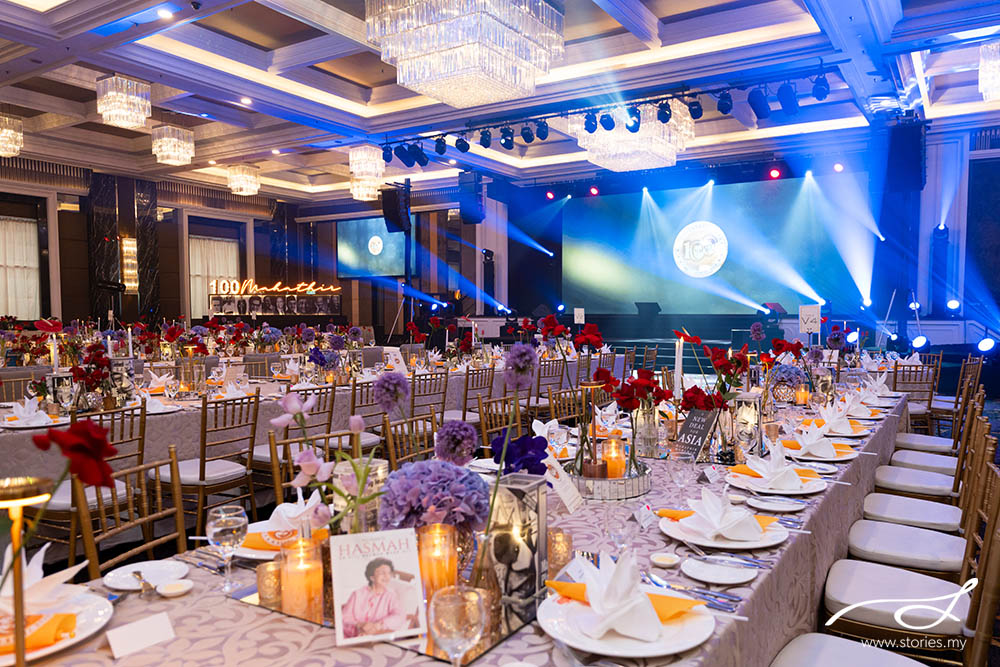
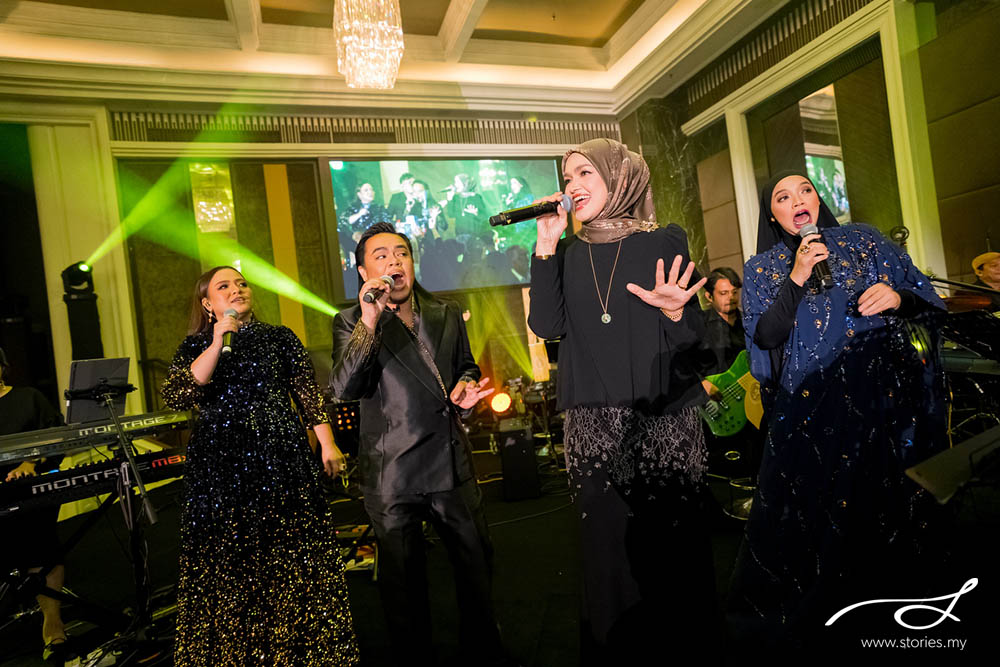
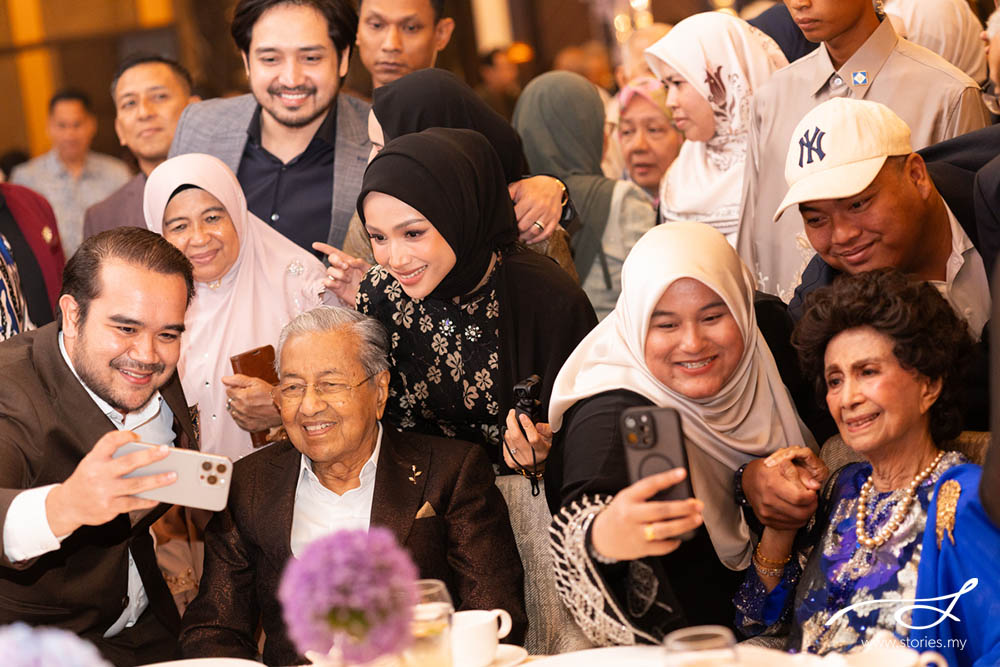
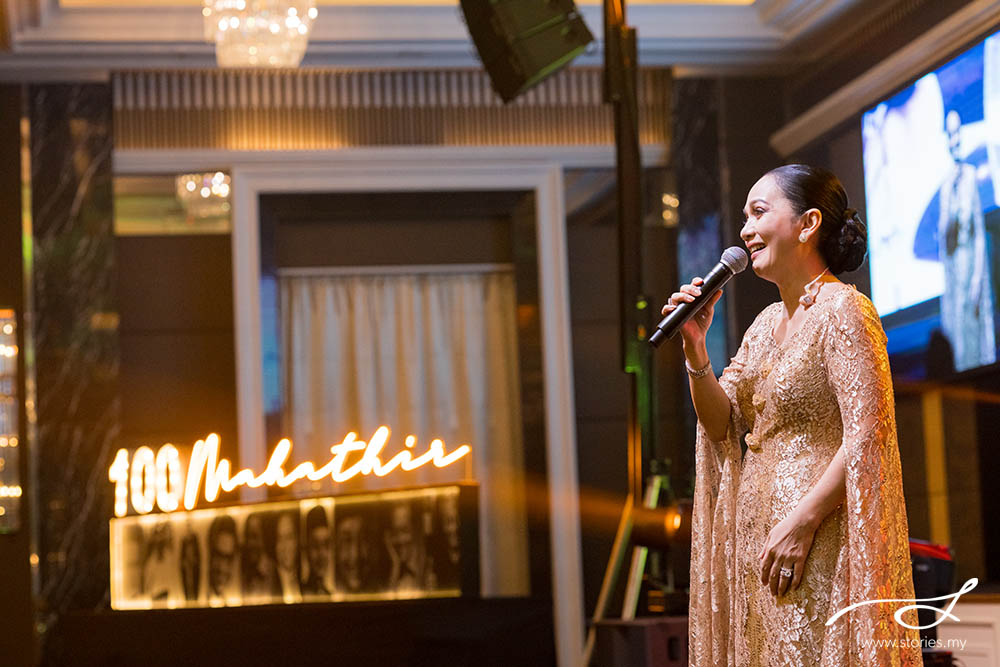
Inside, the beautifully decorated ballroom set the stage for a warm and joyful evening. The highlight for us was watching the family come together to celebrate their beloved patriarch. There were heartfelt performances from grandchildren, moving tributes and even a beautifully crafted AI video that showcased Tun’s life through the years. We love how personal and warm the event was, especially seeing their guest list including people like Tun M’s long-time barber, Tun Hasmah’s violin teacher and even manicurist! Emceed by Alif Satar, and with special performances from Dato’ Sheila Majid, Dato’ Yusni Hamid and even an impromptu one from Dato’ Siti Nurhaliza, the night was fun!

As photographers and filmmakers, we often say our greatest privilege is being invited into people’s most meaningful moments. This was one of those occasions that reminded us why we do what we do — to capture not just faces, but the spirit of love, connection and legacy that will live on in memory.
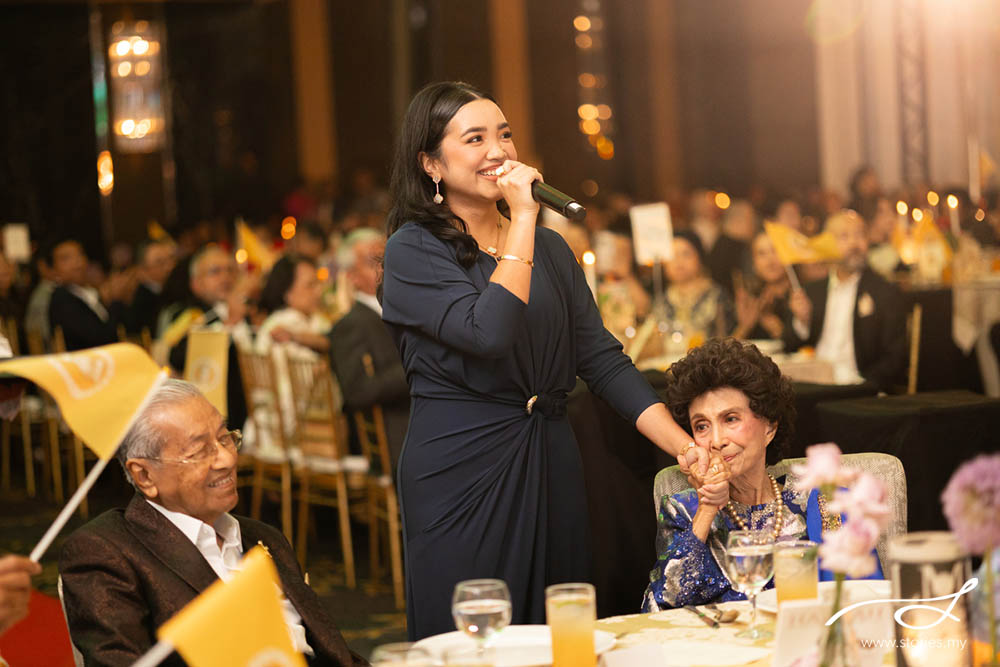
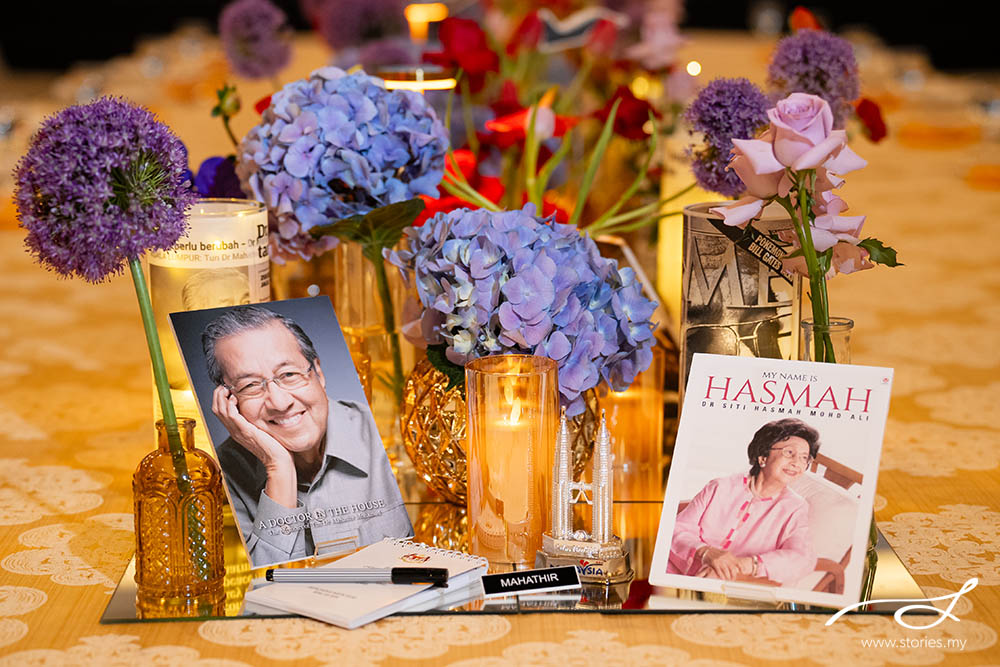
This Malaysia Day, as we honour our nation, we also honour the people whose stories have shaped the nation. Leaders, yes — but also families, communities, and everyday Malaysians who make this country home. Happy Malaysia Day!
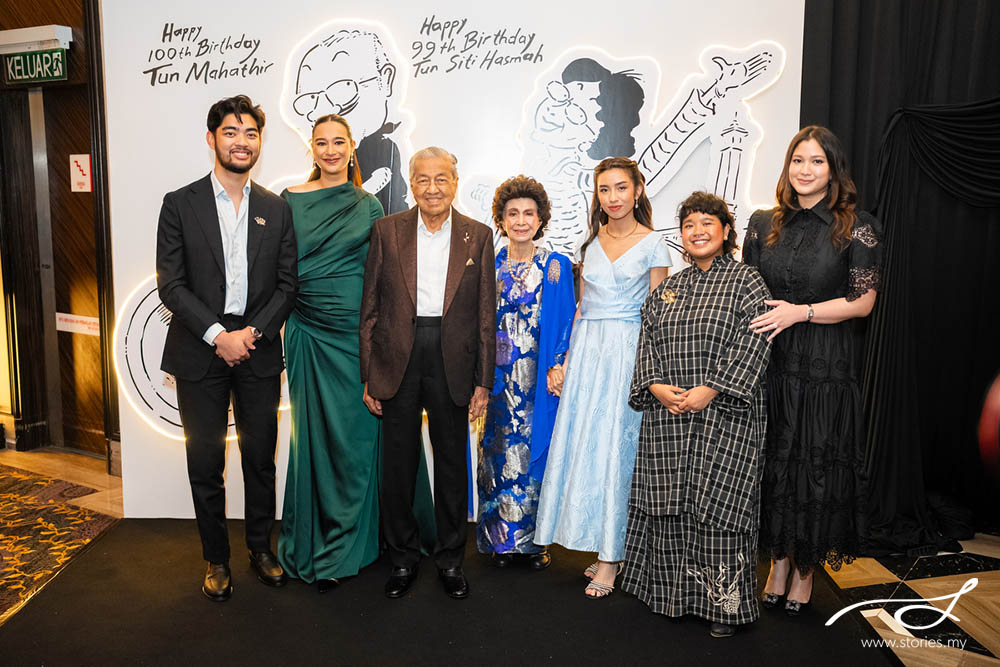
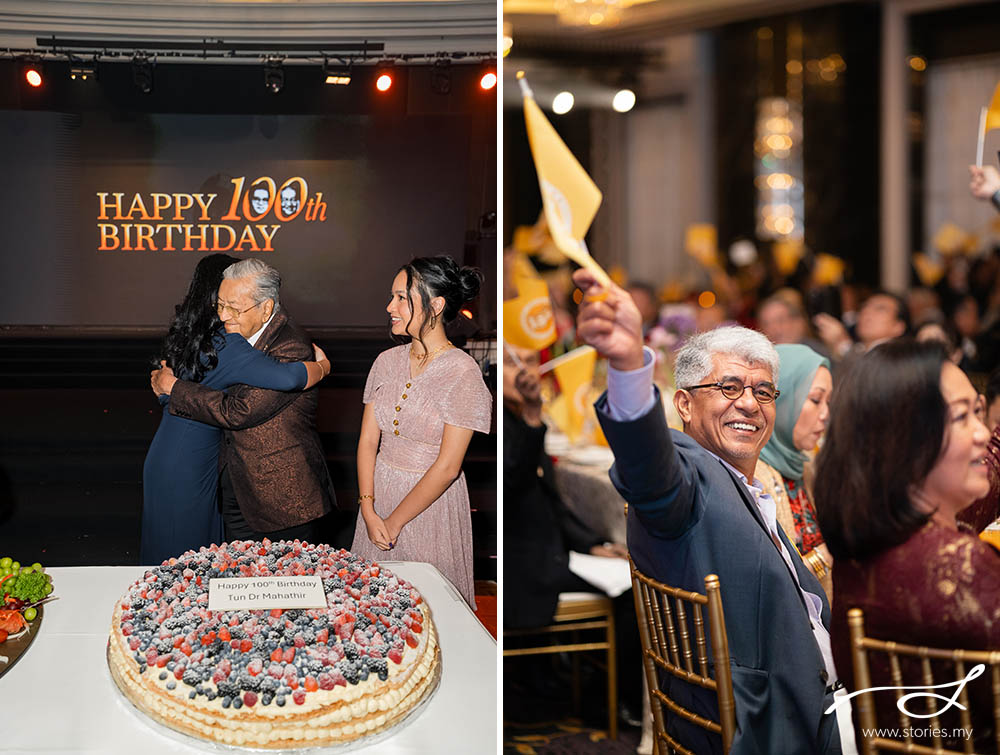
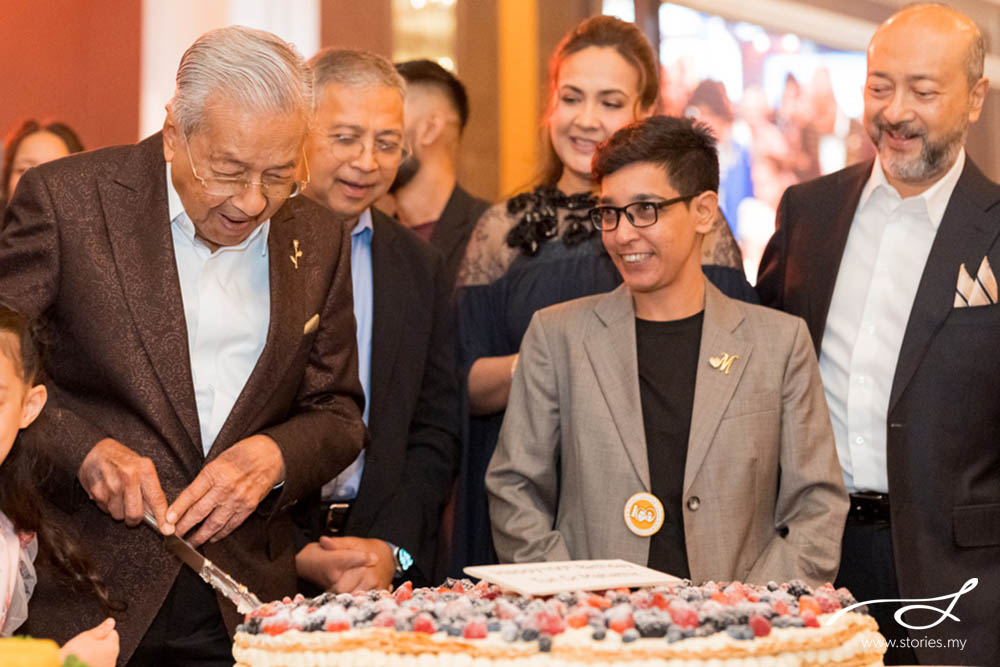
Appreciate the entire team who worked hard to cover the event!

Why a Multi-Generational Family Photoshoot is Worth It

Let’s talk about something many of us overlook—family photos, especially ones that bring multiple generations together. At first glance, it might not seem like a big deal. But if you think about it, when was the last time your whole family—grandparents, parents, kids—gathered to create something meaningful together? A multi-generational photoshoot isn’t just about pretty pictures; although that is great. It’s more about capturing what makes your family unique. Let me explain why it’s worth considering.

It Celebrates Your Family Story

Every family has a story untold, and it’s easily forgotten as life speeds by. A photo session like this gives you a chance to honor where you’ve come from—your roots. Grandparents, for instance, often carry so much history, wisdom, and experience that shape the family. My grandparents came from China many years ago but it saddens me that no one from the generation before me (my dad and his siblings) know anything about where they came from. Having a photoshoot that ties them with younger generations is a powerful way to celebrate that legacy and help everyone, especially the younger ones, understand the bigger picture of who they are and their culture.

You’ll Preserve Precious Memories

Memories fade over time, but photos can bring them back in an instant. A multi-generational shoot freezes a moment that you’ll want to look back on years from now. Imagine being able to show your grandkids what their great-grandparents looked like or seeing how much love and connection was shared in a particular moment. These aren’t just pictures—they’re keepsakes you’ll treasure forever.

It Brings Everyone Closer

Getting everyone together for a photoshoot is more than just standing in front of a camera. It’s about sharing an experience. It’s in the preparation—coordinating outfits, talking about locations, reminiscing about old times—and in the day itself, with everyone laughing and interacting among one another. These moments of being together at the same time and the same place help create stronger bonds, especially between generations that don’t see each other often due to living in different cities or countries.

Everyone Gets to Be Included

How often do we take photos and realize later that someone was missed out? Maybe it’s the grandparents or a shy cousin who didn’t want to be in the picture. A multi-generational photoshoot ensures no one is left out. It’s a rare chance to show that everyone matters and belongs, creating a lasting reminder of each complete family unit. 

It’s Creative and Fun

This kind of photoshoot isn’t just about standing stiffly with your hands by your side and saying, “Cheese.” You can make it as creative as you want! Whether you go for a formal portrait where the older generation sits and the younger generation stands, a relaxed outdoor scene at the yard of your grandparents’ house, or even a theme that represents your family’s personality, the possibilities are endless! The process itself is a great and enjoyable way to express your family’s unique style.

It Marks Life’s Changes

Babies grow up, grandparents age, and families evolve. Life moves fast. A multi-generational photoshoot captures your family at a specific moment in time, whether it’s a major milestone, like a wedding anniversary, or during festive seasons like Chinese New Year, Hari Raya,  Deepavali or Christmas. Looking back, these photos become a timeline of your family’s journey—one filled with love, growth, and change.

It Can Become a Tradition

Why stop at just one photoshoot? Many families make this an annual or regular tradition. Over time, you’ll create a collection of photos that show your family’s growth and changes. Imagine looking at the photo prints at your family’s home, what a beautiful way to keep everyone connected and ensure that even as life pulls people in different directions, there’s always something to bring them back together.

It Honors Aging Loved Ones

Let’s be real—our older family members won’t always be around. A multi-generational photoshoot is a way to cherish their presence while we still can. It’s a tribute to their lives and their role in shaping the family. These photos become precious reminders of their love, wisdom, and the legacy they leave behind.

Final Thoughts

A multi-generational photoshoot is so much more than a family picture—it’s a celebration of love, history, and family bond. It’s about honoring the past, cherishing the present, and creating something that will live on in the future. If you’ve never thought about it before, or you have never understood the significance of it, maybe now’s the time. Because one day, you’ll look back and be so grateful for the chance to hold on to these treasured memories.

At Stories, we pride ourselves on capturing family moments, from small families of 3 to even large family portraits of 40 family members! Remember, each generation and family brings something unique to the table. What a better way to capture it all than in an unforgettable photo that can be passed down from generation to generation. For more information on our family shoots, reach out to us.

What To Wear For Your Family Photoshoot – A Step by Step Guide

“What Should My Family Wear?” We’re asked this so frequently that we’ve written several articles about it (Click on the thumbnails to read more!):

However, if you’re still having trouble after reading the articles above, here is a simple step-by-step guideline that will hopefully help you get your family photo ready.

Step 1: Decide if you’re going formal or casual

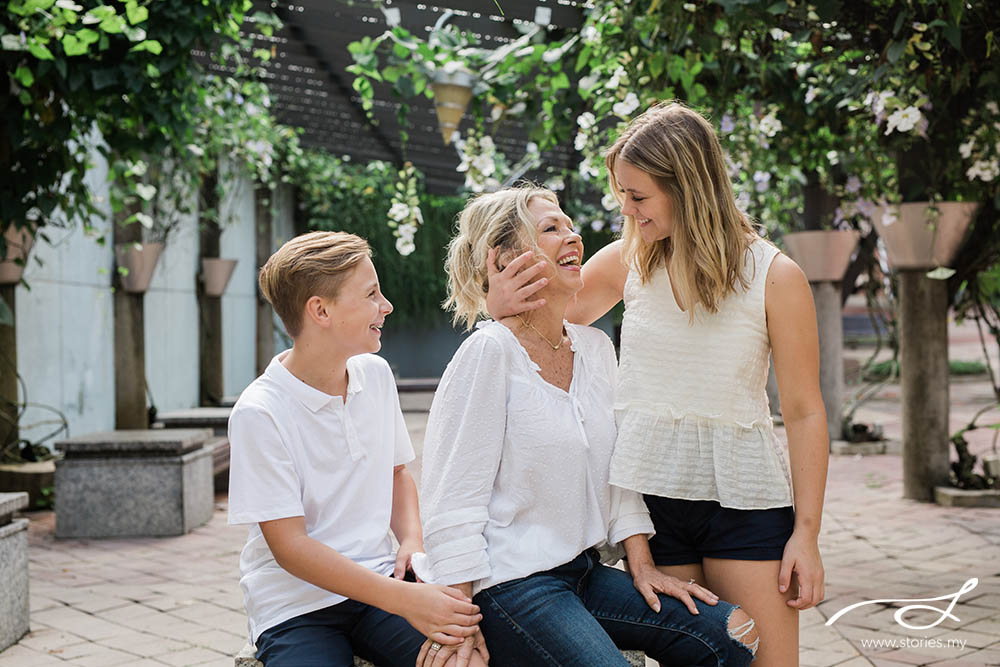
To ensure that everyone in the family is on the same page, decide the level of formality of your photoshoot. Are you planning a casual shoot or would you like everyone to be more dressed up? Dressing up doesn’t have to mean wearing something extremely formal; it can just mean going a little further than normal, like wearing a nice dress for the ladies or a fitted shirt instead of a t-shirt for men. 

When deciding the style, do consider the location of your shoot as well. For example, a grand hotel lobby could be an ideal backdrop for a formal photoshoot, but if you’re doing your shoot at home or in a park, a more relaxed style might be preferable. 

If you’re planning to shoot in our studio, we will be able to set up according to either style.

Step 2: Decide your base colour

In your next step, choose two to three colours for everyone to select from and request the family to stick to the same range of colours. To achieve this, decide on the primary colour you want for your photo session. This may be based on the outfit you wish to wear or just the colour that the majority of your family members may likely already have.

Step 3: Coordinate colours

After selecting the main colour, use the colour wheel to select complementary colours. Complementary colours are hues that are directly opposite each other on the colour wheel, such as yellow and purple. You can also select colours next to each other such as blue and purple as adjacent colours on the wheel also blend well together.

Should the above prove too challenging to coordinate, you can opt for colour shading, which involves selecting lighter or darker shades of your chosen colour. Therefore, if your primary colour is blue, your family members can then choose a variety of blue outfits that may range from navy to pastel.

If all else fails, neutrals such as blue, cream, khaki, or white are popular choices and you can’t go wrong with these.

Step 4: Ensure there is variety

Having a variety of outfits such as blouses, shirts, jeans, skirts and long dresses will create more dimension to your photos. Encourage your family members to wear clothing that expresses their individuality and sense of style. Use different textiles, such knits or lace, to provide texture. You can also incorporate texture by layering – such as throwing on a shirt over a plain tee, a cardigan over a dress or a shawl over your blouse. 

If you’re not sure about your selections, feel free to bring an extra outfit to switch up on the day of the shoot.

Some final tips!

  • Avoid clothing with large graphics, brand logos or too many patterns.
  • Ensure your clothes fit properly. Do try on your outfit before the shoot to check that it fits well and that you can not only move around comfortably but sit comfortably as well. 
  • Steer clear of clingy fabrics that may highlight unflattering areas.
  • Make sure to iron out the wrinkles in your outfit prior to the shoot. 
  • Don’t forget to think about your footwear. 
  • Comfort is a must! 

If you need more help in this area, feel free to drop us a message and we can discuss more!