fbpx Skip to main content
Tag

Portraits

What You Wear Matters More Than You Think

Let’s be honest. The first question before any shoot is always, “What should we wear?” Usually followed by a few outfit changes, a bit of overthinking, and at least one “does this match?” moment. And fair enough, it’s not always the easiest question to answer.

But maybe the better question is, “What tends to work well on camera?”

Because while a good outfit can elevate a photo, the right choices can really help everything feel a little more natural and put together, without taking attention away from you.

Let’s talk colours

Colours don’t just sit there looking nice. They’re doing quite a bit behind the scenes. They reflect light, affect skin tones, and influence how a photo feels overall.

Very bright colours can sometimes reflect onto the skin more than expected.
Very dark tones can feel a little heavier in photos.
And when there are too many different colours in one frame, it can start to feel a little busy. And not always in a good way.

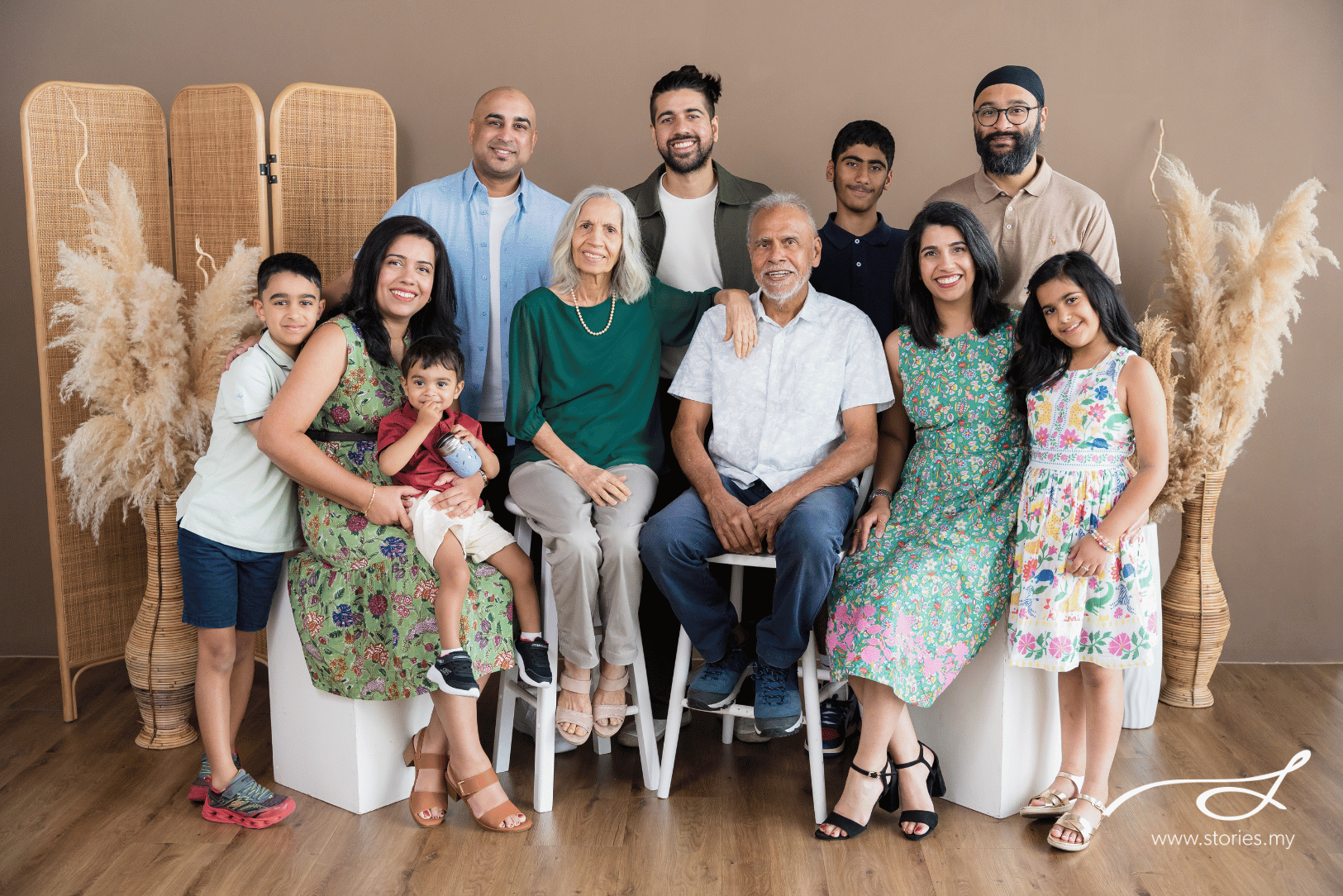
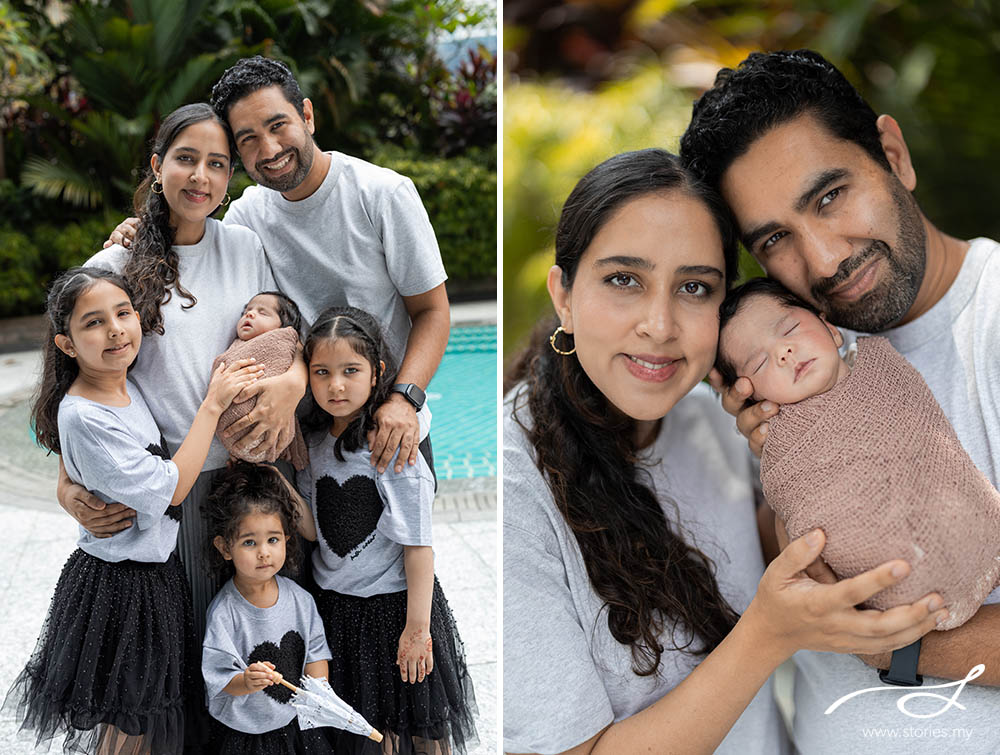
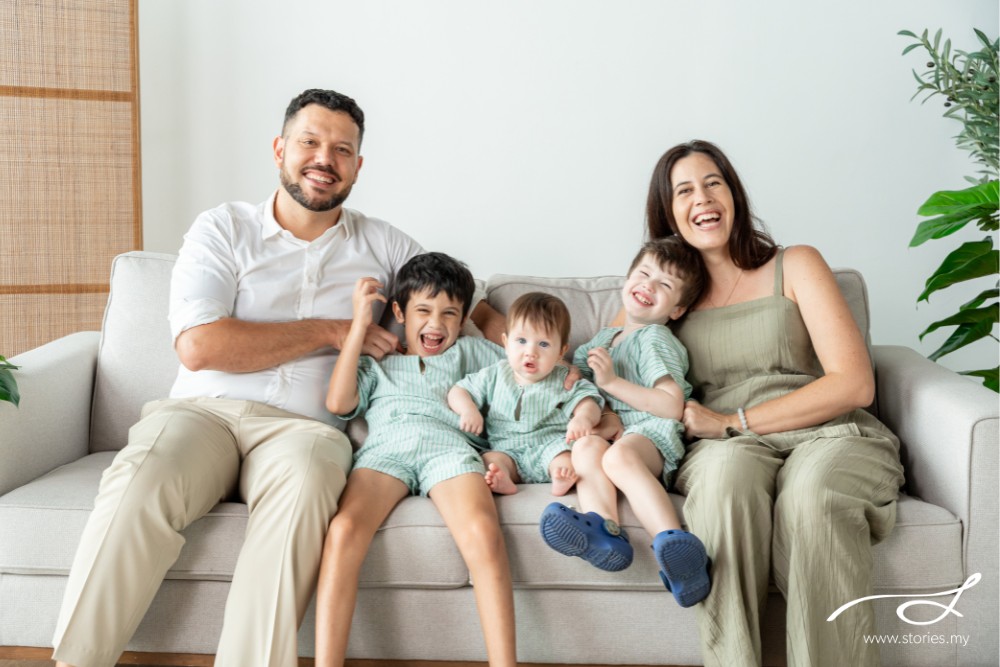
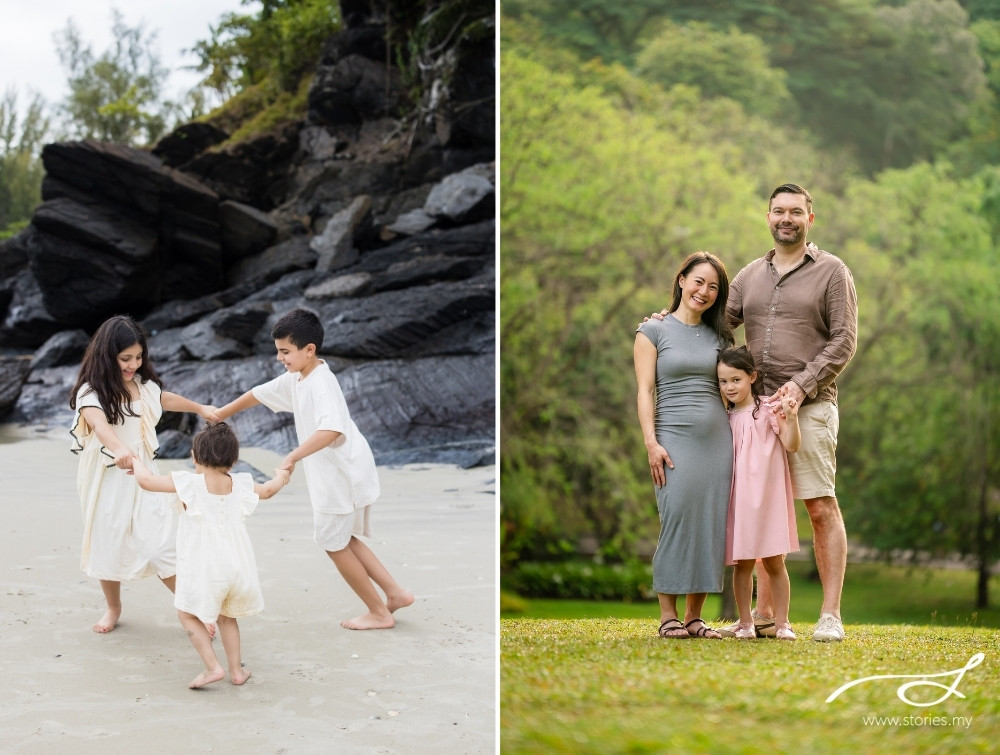
This is why softer tones, neutrals, and earthy palettes tend to work so well. They keep things balanced and let the focus stay on people. Also, they are generally easier to match as a group, which helps when everyone is trying to agree on what to wear at the same time… which is usually where things get a little chaotic.

Things that tend to work better

Over time, we have noticed a few things that tend to photograph more smoothly:

  1. Coordinated over matching
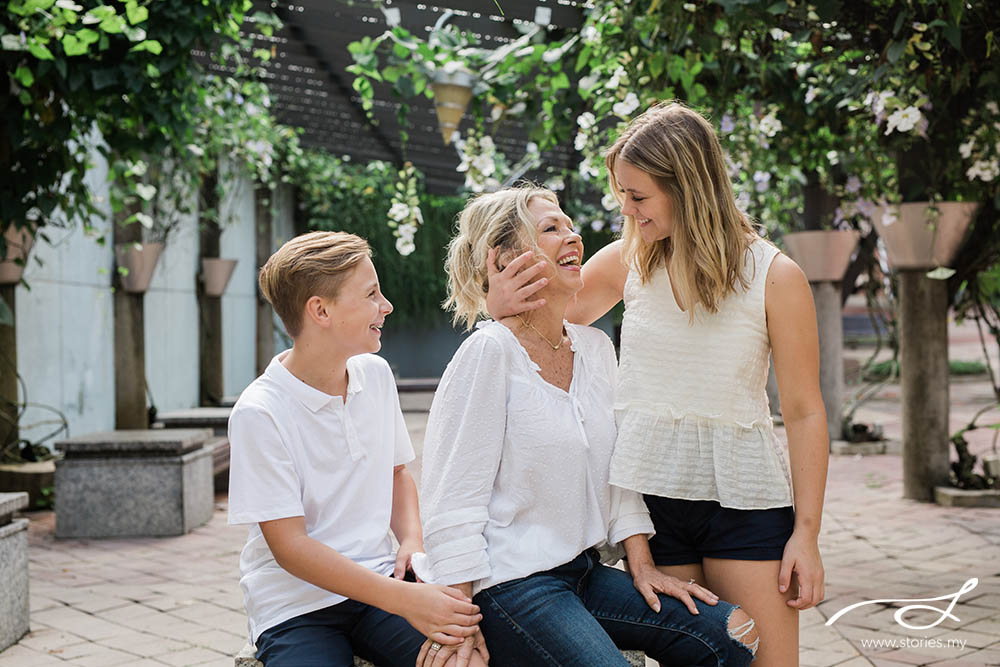
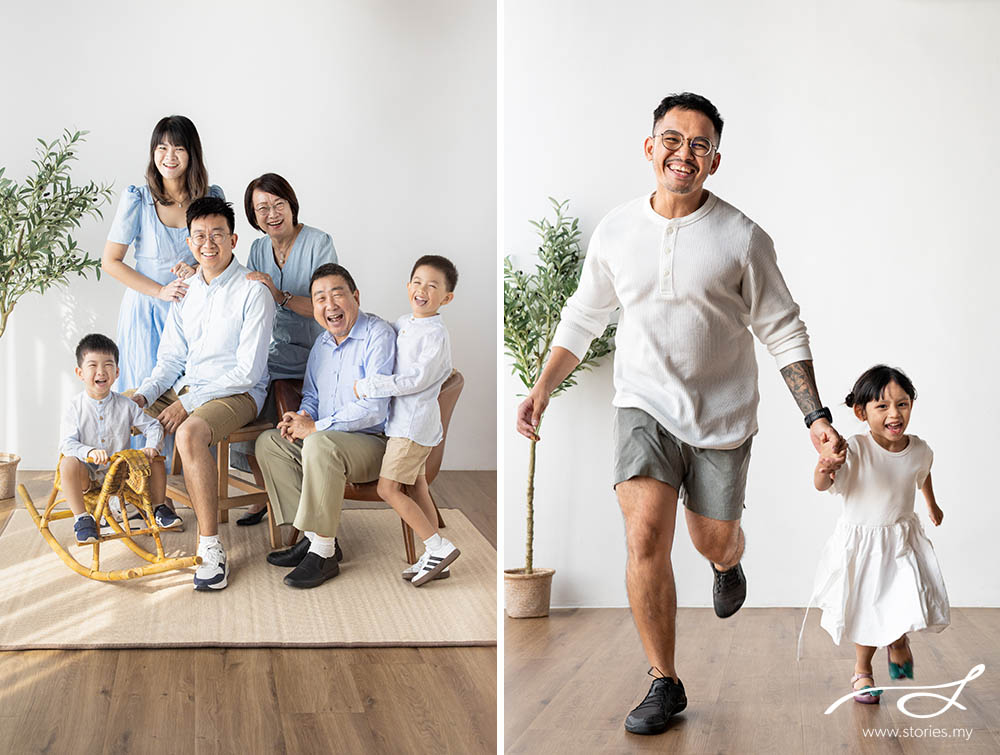
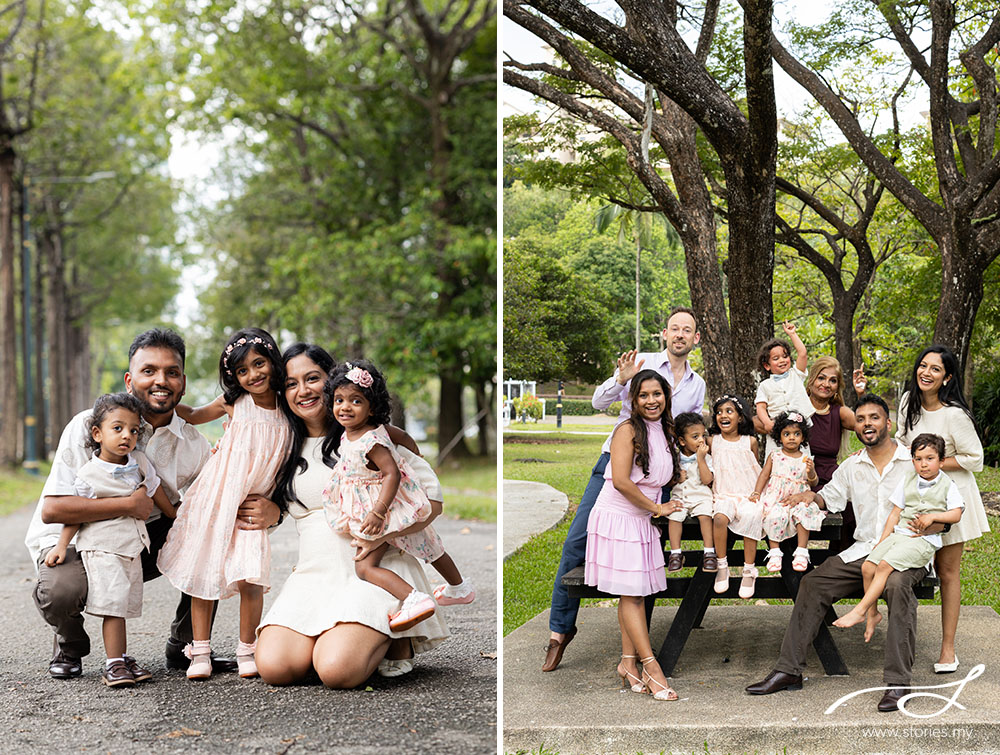
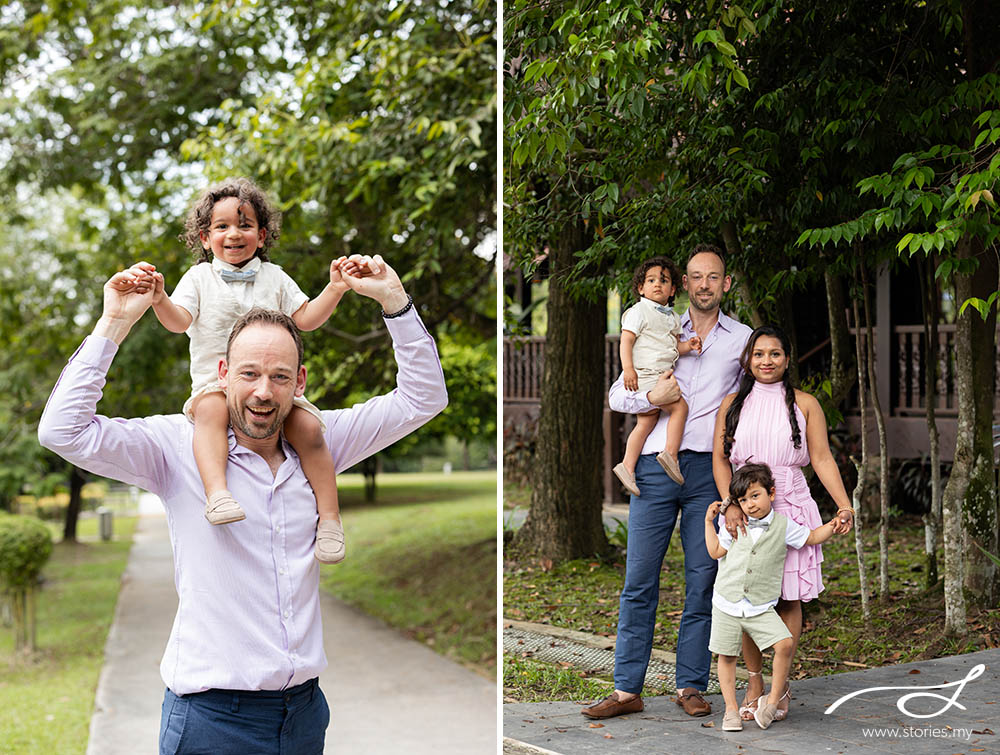
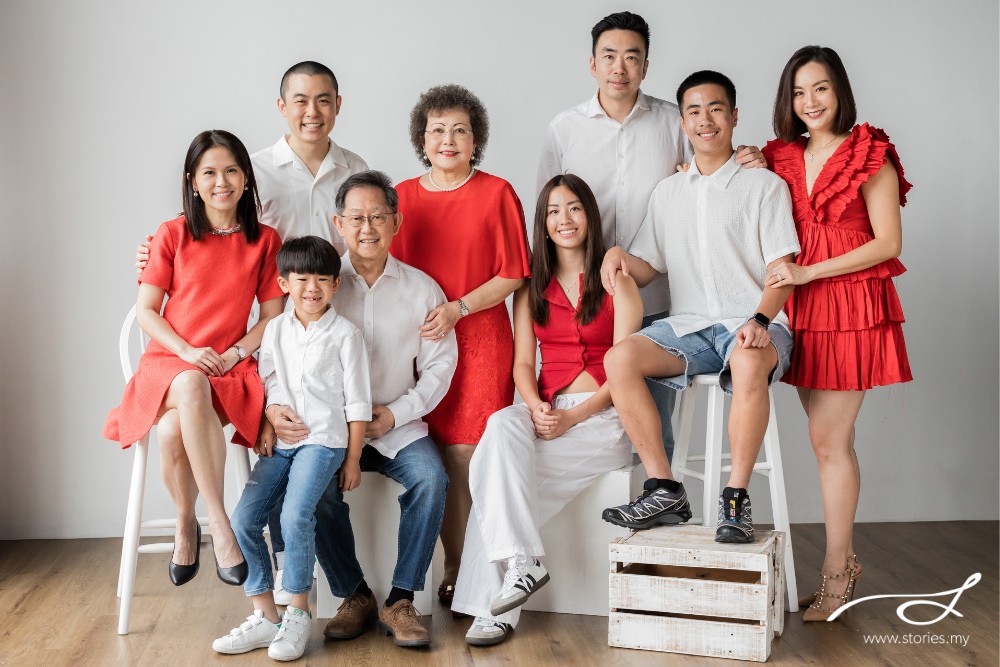
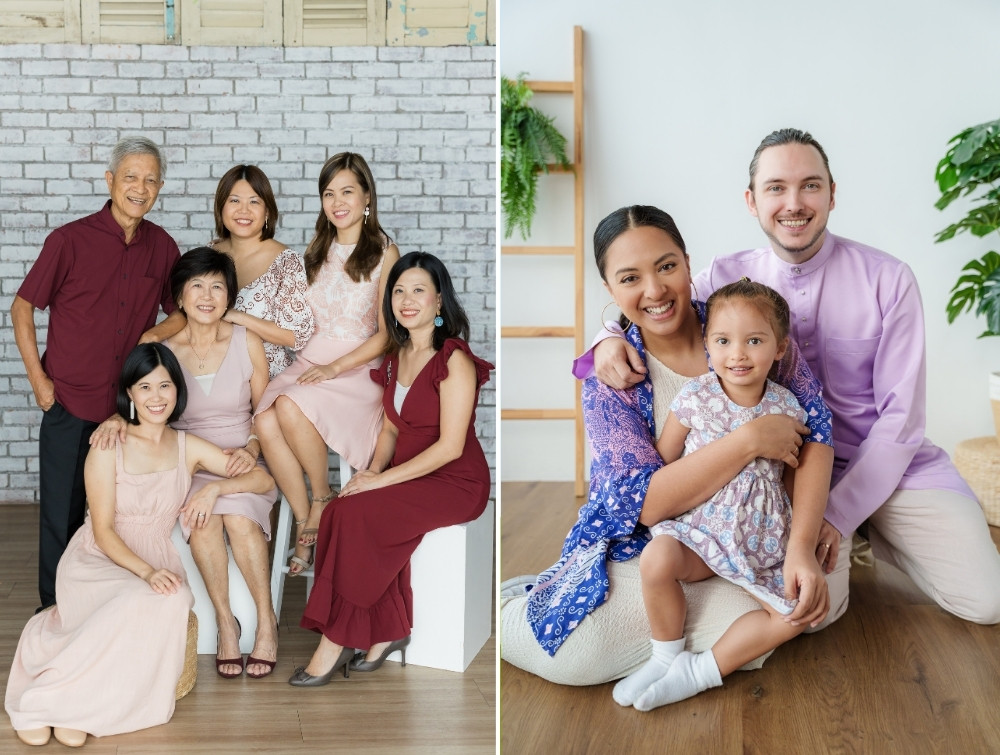
    Outfits that complement each other often feel more natural than everyone wearing the exact same thing. A little variation actually makes the whole photo feel more alive and a lot less stressful to put together.
  2. Simpler patterns
    Smaller prints or textures tend to photograph more cleanly and keep the attention where it should be. Nothing too loud, nothing too distracting, just enough.
  3. Softer colour tones
    Muted or toned-down colours are usually more flattering on camera and easier to work with. They also tend to age better when you look back at the photos later.
  4. Comfort matters
    Outfits that feel easy to move in help you stay relaxed and present during the shoot. If you feel good, it shows. If you don’t, that usually shows pretty quickly too.
  5. Staying true to your style
    Photos always feel more natural when you look like yourself, just a little more put together. No need to suddenly become someone else for the day. You don’t need a whole new personality just for photos.

Where everything starts to click

So instead of overthinking every detail, here’s a simpler way to look at it. Think of your outfit as part of the overall frame, not the main focus.

Soft, balanced colours.
Simple textures.
Pieces that move easily with you.

And most importantly, something you feel comfortable and confident in. That usually does more for a photo than anything else.

If there’s one thing to take away

Photos are not really about the outfit. But the right outfit can help everything come together a little more naturally. More than anything, it’s about how you feel in what you’re wearing. When you’re comfortable, when you feel like yourself, it shows in ways you don’t have to think about.

So keep it simple, comfortable, and true to you. Because the best photos are the ones where you feel like yourself in them.

Oh, and this year’s colour of the year

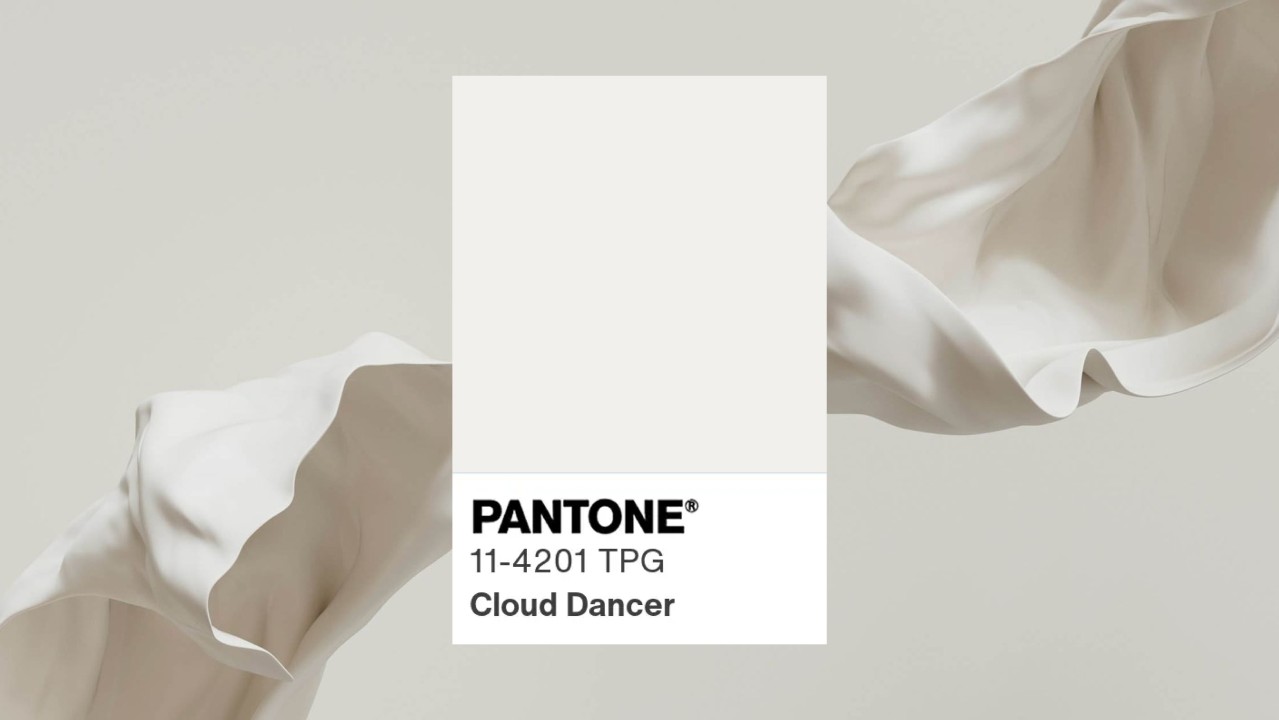
Oh, and speaking of colours, Pantone’s Colour of the Year for 2026 is Cloud Dancer. Which, yes, is a very nice way of saying a really good shade of white. It’s a soft, airy white that leans slightly warm. Calm, minimal, and very easy to work with. The kind of colour that feels clean and effortless. It also photographs really well. It doesn’t compete for attention and pairs nicely with almost everything. It’s one of those colours that just works without needing too much effort.

You don’t have to go all in, but it works nicely as a base or layered with softer tones. And if nothing else, it’s a very safe option when no one can decide what to wear. What do you think, something you would wear for a shoot, or more of a background kind of colour? If you would like to read more about colours, check out this other blog post we wrote.

And if you are ever unsure what to wear, we are always happy to guide you through styling for your session.

How to Arrange People in a Family Photo (Without Losing Your Sanity)

With Chinese New Year and Hari Raya coming up, many families start thinking about taking a proper family photo. What often sounds simple can quickly become stressful. Who stands where? How do we fit everyone in? Why does it look awkward even though everyone is smiling?

The truth is, most family photos don’t fall apart because of the camera or lighting. They fall apart because of arrangement. When people are placed with intention, the photo instantly feels more balanced, connected, and meaningful. It took me years to learn some of these lessons the hard way – by evaluating my photos and finally understanding what worked and what didn’t. Thankfully, 17 years later, I have refined my thought process during every photo shoot. So here are some practical tips to help you elevate your DIY family photos, whether you’re working with a small group or a big extended family.

1. Start with the number of people and the space you have

Before thinking about poses, first be clear about how many people will be in the photo. A group of 10 people needs to be arranged very differently from a group of 20. The size of the group determines how much space you need and how creative you can be with positioning.

More space makes things easier. It allows you to spread people out, create layers, and adjust without rushing. If the space feels tight, you will need to be more intentional about who goes where. This is exactly how I plan my family sessions, especially for larger groups.

2. Arrange people by relationships, not by height

One of the most important things I look at when photographing large families is the family structure. For extended families, I often ask for a simple family tree or a list of names and relationships. This helps me understand how everyone is connected.

For example:
Grandfather and grandmother
Their eldest son and his wife with two children (with age)
Their second son and his wife with two younger children (with age)

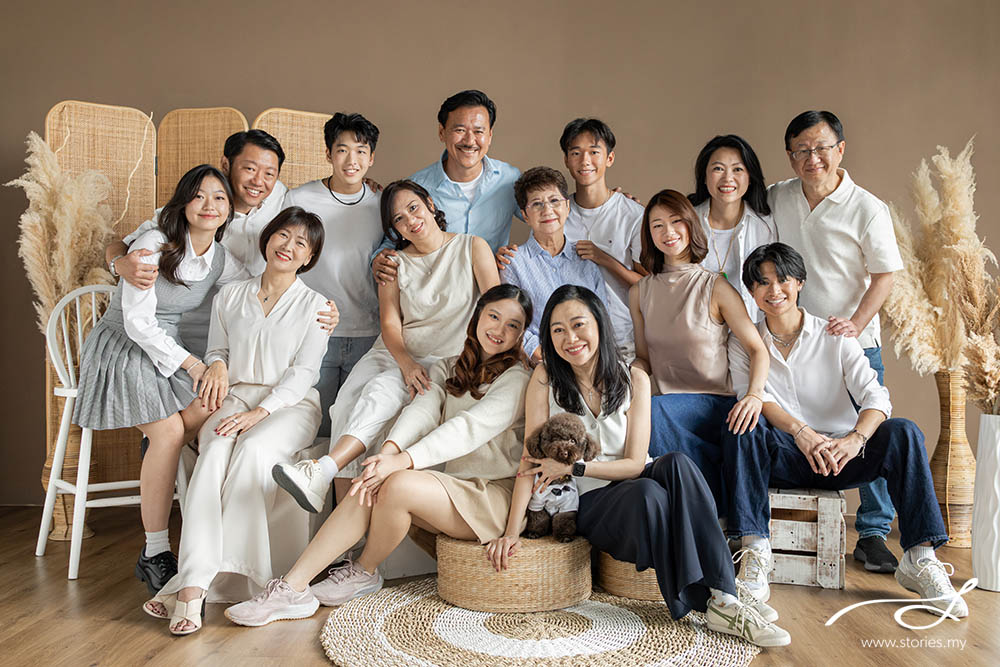
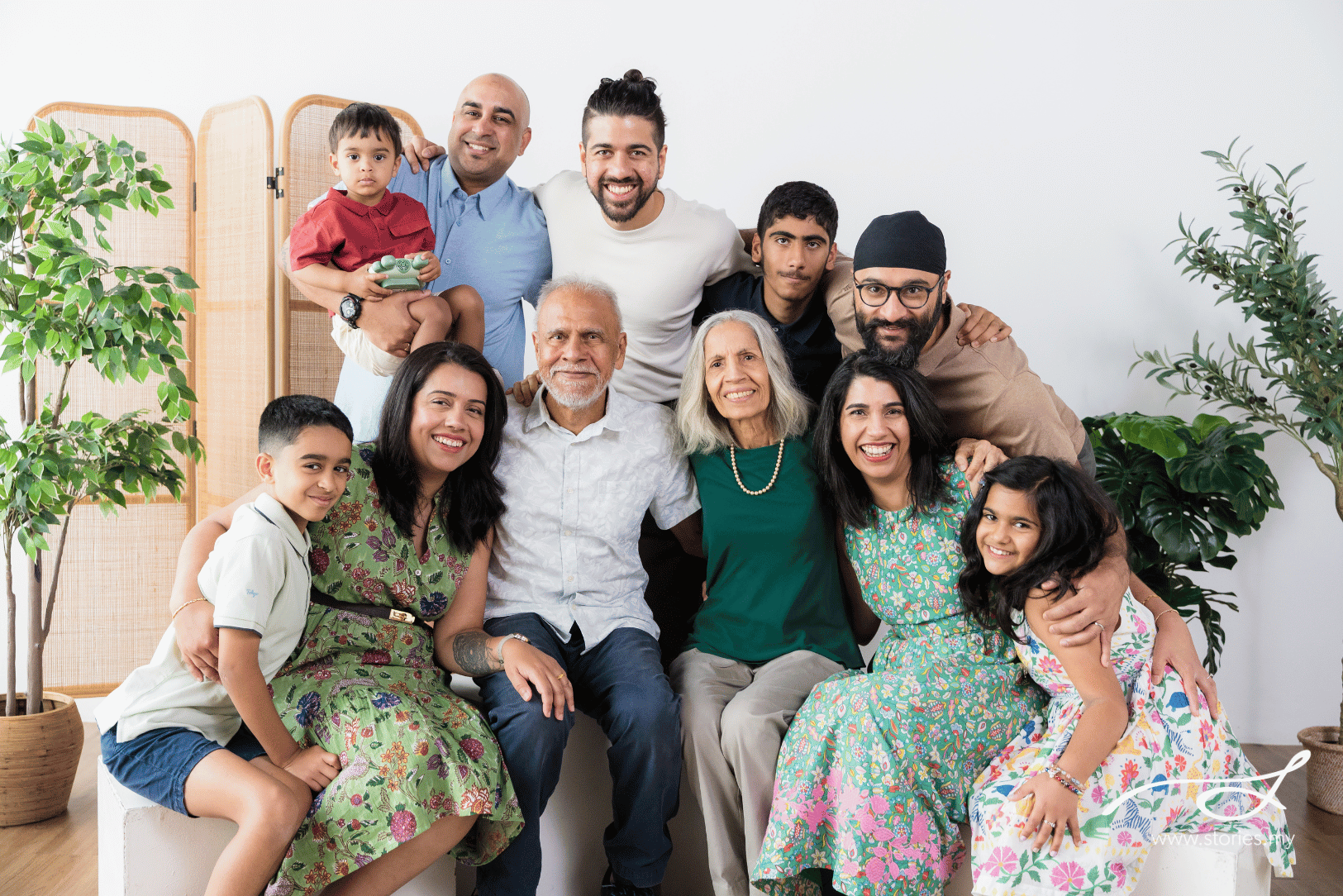
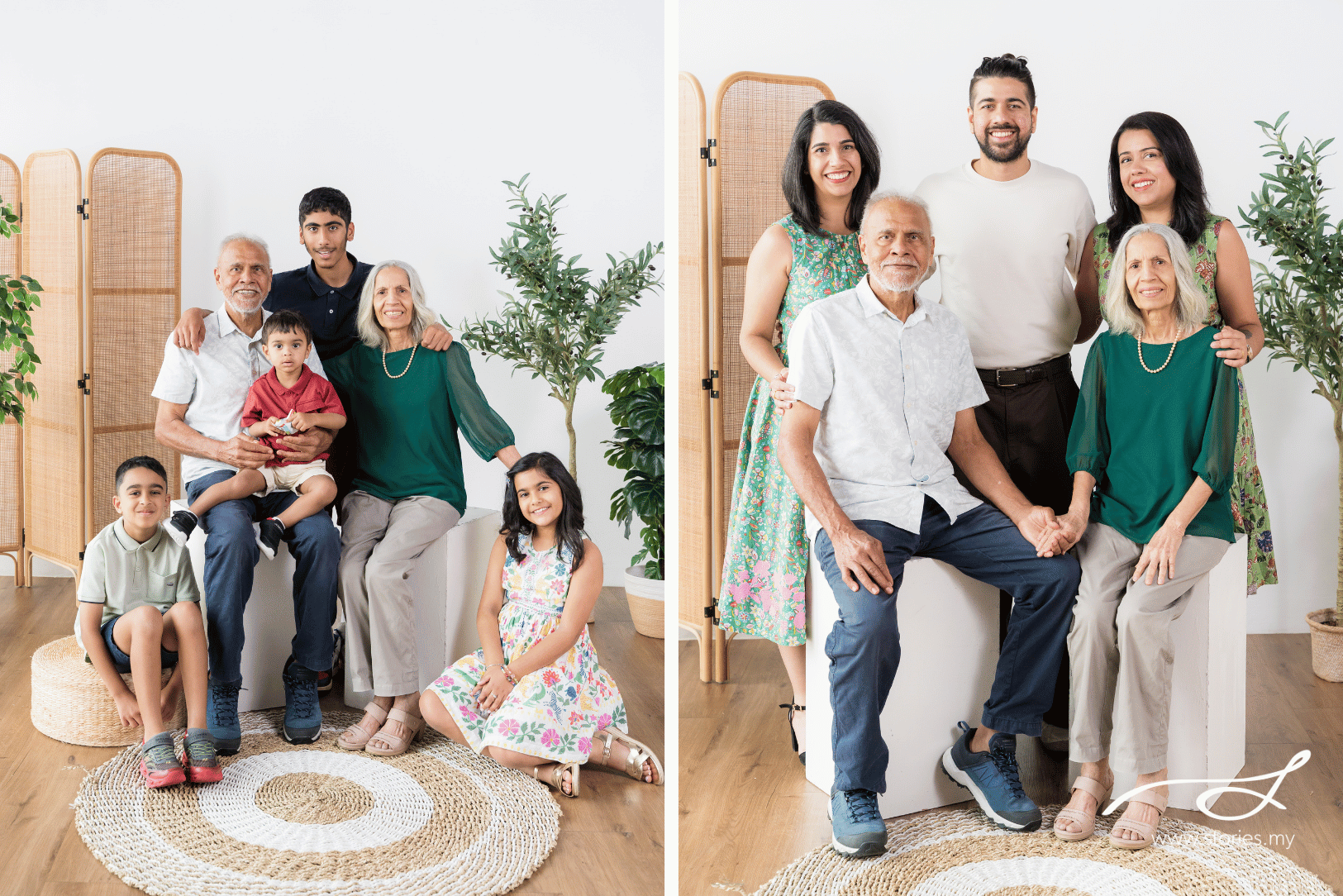
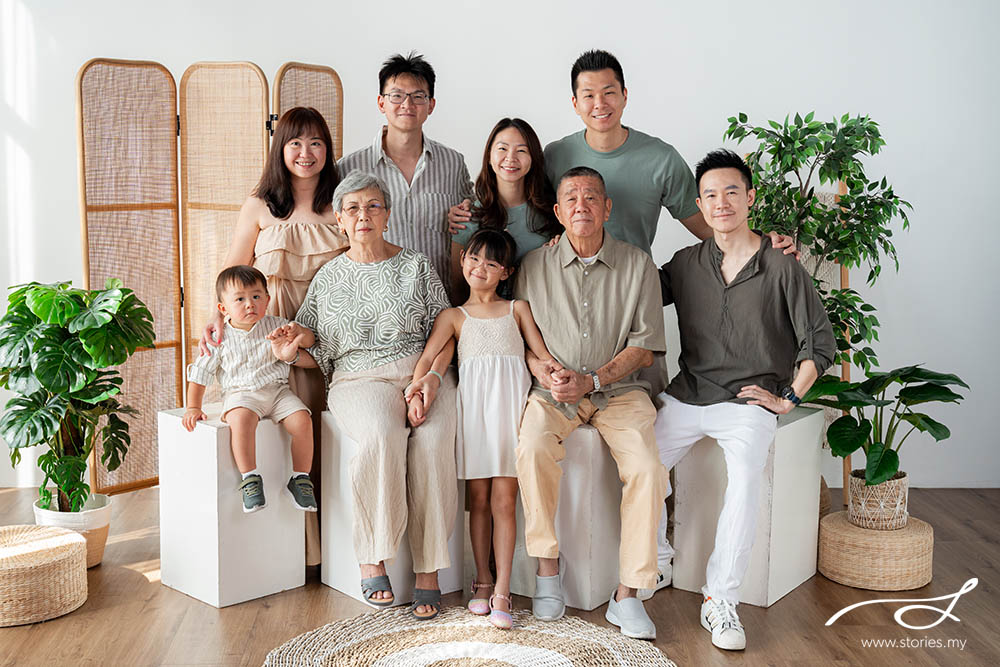
Once relationships are clear, the arrangement becomes much easier. Knowing the age of the children helps me a lot too because positioning a 1-year-old would look different from positioning a 16-year-old. I usually place grandparents in the centre as the heart of the family. Each nuclear family stays together, with children close to their own parents instead of being placed randomly in the group.

This approach does two things. Visually, the photo feels organised and intentional. Emotionally, people feel more comfortable standing with those they are closest to, and that comfort shows in the photo.

3. Create layers to add depth and interest

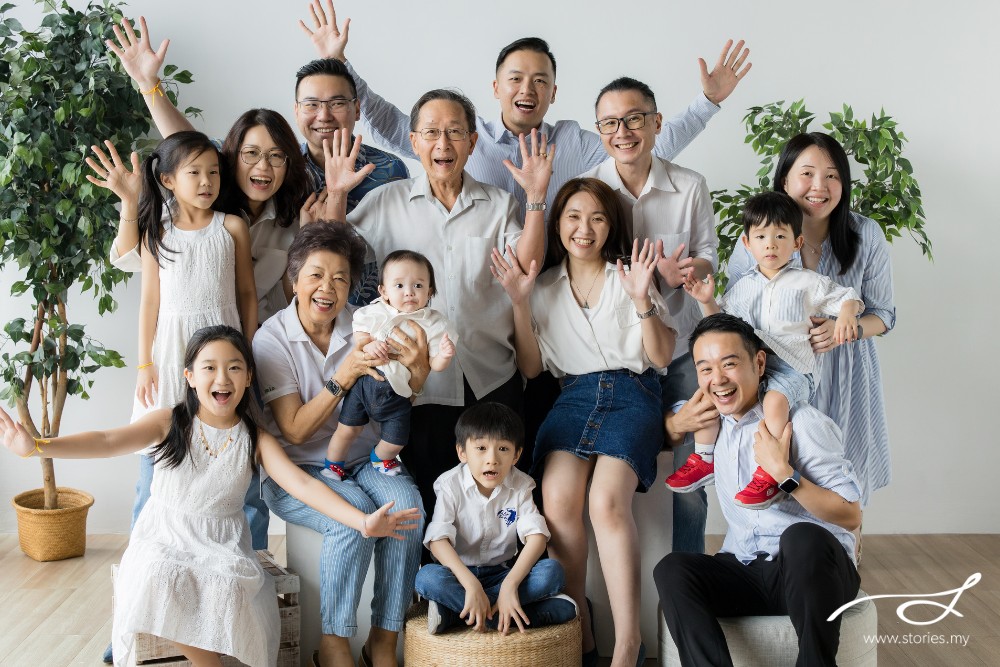
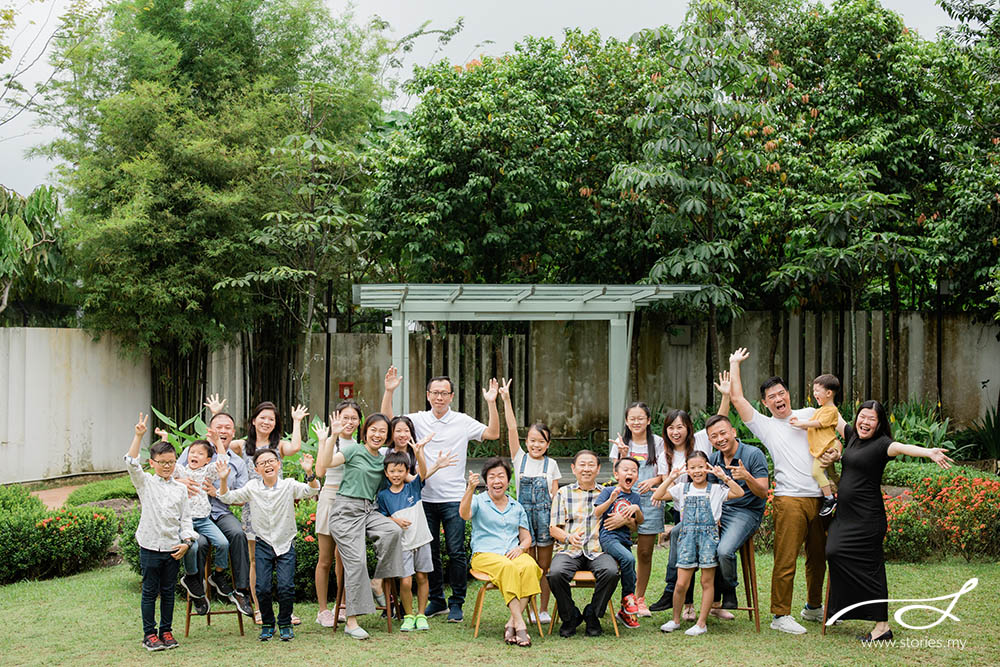
Flat rows tend to look stiff and uninspiring, especially for large groups. Instead, try to create layers by mixing sitting and standing positions.

Some people can sit on chairs or the floor, while others stand behind them. If you are outdoors, use stairs, low walls, tree roots, or rocks. Indoors, stools, boxes, or even the edge of a sofa can help create different heights.

For groups of 15 people or more, you may need two to three layers. Don’t be afraid to let children sit on the floor or stand on a higher surface with support. Layering helps everyone be seen clearly and makes the photo feel more dynamic and natural.

4. Look for triangles and varied heights

Once people are layered, pay attention to height differences. A tall person doesn’t always need to stand, and a shorter person doesn’t always need to sit. The goal is to create gentle triangular shapes throughout the photo.

These triangles guide the eye and make the composition more interesting. Think of it as creating small peaks and slopes rather than straight lines. Move people slightly, adjust where they sit or stand, and see how the overall shape changes. This is something photographers constantly fine-tune during a session, so take your time and enjoy experimenting.

5. Using a sofa without making it look boring

Sofas are common in home photos, but they can easily look dull if everyone sits in a straight line. Try mixing things up by asking someone to sit on the armrest with their legs turned sideways, or placing a few people on the floor in front of the sofa.

If there are people standing behind the sofa, bring them as close as possible to those seated so the group feels connected. For those sitting, ask them to sit slightly forward rather than leaning back fully. This helps with posture and keeps faces closer together.

Every sofa is different. Some are deep or bulky, so not every pose will work. Adjust accordingly and see what looks best in your space.

6. Keep faces close and take a test shot

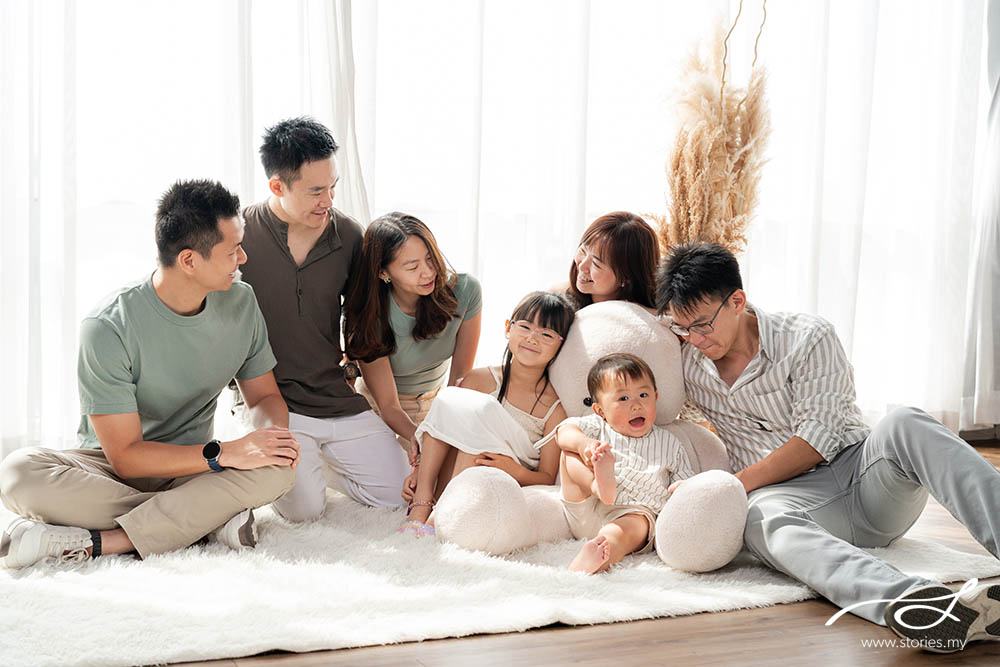
A simple tip that makes a big difference is encouraging people to lean in slightly towards one another. Small movements like shoulders touching or heads gently angled closer can instantly make the photo feel warmer and more connected.

Always take a quick test shot and review it. Look out for gaps, hidden faces, or anyone feeling too far away from the group. Make small adjustments instead of starting over. This is exactly how I work during professional sessions.

A final thought

Family group photos are not easy, especially when there are many personalities involved and different dynamics to the relationships. Don’t aim for perfection. Aim for connection. When people feel comfortable, seen, and close to one another, the photo will naturally feel right.

And if arranging everyone still feels overwhelming, that’s completely normal. This is where having a professional family photographer helps. My role is not just to take photos but to guide families gently through the process so they can relax and enjoy the moment together.

What To Wear For Your Family Photoshoot – A Step by Step Guide

“What Should My Family Wear?” We’re asked this so frequently that we’ve written several articles about it (Click on the thumbnails to read more!):

However, if you’re still having trouble after reading the articles above, here is a simple step-by-step guideline that will hopefully help you get your family photo ready.

Step 1: Decide if you’re going formal or casual

To ensure that everyone in the family is on the same page, decide the level of formality of your photoshoot. Are you planning a casual shoot or would you like everyone to be more dressed up? Dressing up doesn’t have to mean wearing something extremely formal; it can just mean going a little further than normal, like wearing a nice dress for the ladies or a fitted shirt instead of a t-shirt for men. 

When deciding the style, do consider the location of your shoot as well. For example, a grand hotel lobby could be an ideal backdrop for a formal photoshoot, but if you’re doing your shoot at home or in a park, a more relaxed style might be preferable. 

If you’re planning to shoot in our studio, we will be able to set up according to either style.

Step 2: Decide your base colour

In your next step, choose two to three colours for everyone to select from and request the family to stick to the same range of colours. To achieve this, decide on the primary colour you want for your photo session. This may be based on the outfit you wish to wear or just the colour that the majority of your family members may likely already have.

Step 3: Coordinate colours

After selecting the main colour, use the colour wheel to select complementary colours. Complementary colours are hues that are directly opposite each other on the colour wheel, such as yellow and purple. You can also select colours next to each other such as blue and purple as adjacent colours on the wheel also blend well together.

Should the above prove too challenging to coordinate, you can opt for colour shading, which involves selecting lighter or darker shades of your chosen colour. Therefore, if your primary colour is blue, your family members can then choose a variety of blue outfits that may range from navy to pastel.

If all else fails, neutrals such as blue, cream, khaki, or white are popular choices and you can’t go wrong with these.

Step 4: Ensure there is variety

Having a variety of outfits such as blouses, shirts, jeans, skirts and long dresses will create more dimension to your photos. Encourage your family members to wear clothing that expresses their individuality and sense of style. Use different textiles, such knits or lace, to provide texture. You can also incorporate texture by layering – such as throwing on a shirt over a plain tee, a cardigan over a dress or a shawl over your blouse. 

If you’re not sure about your selections, feel free to bring an extra outfit to switch up on the day of the shoot.

Some final tips!

  • Avoid clothing with large graphics, brand logos or too many patterns.
  • Ensure your clothes fit properly. Do try on your outfit before the shoot to check that it fits well and that you can not only move around comfortably but sit comfortably as well. 
  • Steer clear of clingy fabrics that may highlight unflattering areas.
  • Make sure to iron out the wrinkles in your outfit prior to the shoot. 
  • Don’t forget to think about your footwear. 
  • Comfort is a must! 

If you need more help in this area, feel free to drop us a message and we can discuss more!

Embracing Malaysian Culture in Family Photography

Since it’s Malaysia Day, I was thinking about how we can incorporate Malaysian culture into our family photo sessions. My heritage as a child born into a Peranakan family in Melaka is colourful, but personally, I have not embraced much of the culture in my daily life (except to wear the kebaya and eat pong teh occasionally). My children certainly do not identify as being Peranakan.

The thing is, growing up, seeing my mom cook all her Peranakan dishes using the batu lesung, listening to my parents speak the Peranakan lingo, and being asked to pin the kerongsang on her kebaya didn’t feel like heritage. It felt like a normal, everyday part of life. I didn’t know what I had until I lost it. Of course, I never had the opportunity to document most of these everyday memories, as cameras were a luxurious item we didn’t own back then. This photo of my parents taken in front of our home in Melaka is a precious memory for me. It is not fancy, but it is meaningful.

We value the things we once took for granted as we age. I wish my parents were still alive so I could take a beautiful portrait of them in their element. If I could do it again, I would photograph my mom in her kebaya holding a bakul sia filled with her homemade pineapple tarts, which she used to make every Chinese New Year. I would create a mini-video documentary of everyday life snippets, filled with stories from yesteryear.

As a family photographer, I have photographed so many different cultures in Malaysia. Family photo shoots are more than just a moment in time—they are a celebration of history, heritage, and identity. Interestingly, as more and more inter-racial marriages take place, our cultural identity becomes even more diverse and fascinating for the next generation!

So here are some ideas on how you can infuse Malaysian family culture into your next photo shoot and create something that resonates deeply with your family’s story.

1. Cultural Dressing

Clothing is one of the easiest and most visually striking ways to incorporate culture into family photos. In Malaysia, we are blessed with beautiful cultural garments that can be beautifully showcased in a photo shoot. Whether you are wearing the baju kurung, cheongsam, saree, or any East Malaysian traditional costume, these outfits can look especially striking because most of them are rather colorful! These outfits can carry deep meaning, reflecting your family’s roots and values.

2. Locations

Malaysia’s diverse landscapes are another wonderful way to integrate cultural elements into your photos. Choosing locations that are meaningful to your family’s background or that hold cultural significance can create a profound visual story. For some of you, your family home could be a heritage site or museum on its own! You could take photos in your hometown, whether it is the city or the kampung. When making a choice, think about the significance of the locations to you. It could even be a simple location like the family swing, where you used to enjoy moments as sisters growing up.

3. Props

Props are a fantastic way to add personal and cultural touches to your family photos. Every Chinese New Year, my family would dress up for a family photo. It’s a great time to add in props like Mandarin oranges, lanterns, bakul sias, baskets, and angpaos! Other ideas could be incorporating old family photos into the current image. It’s a great way to remember how far you have come and to see how everyone has aged gracefully.

4. Extending the Shoot: Coffee Table Books and Family Videos

After your photo shoot, you can enhance the experience by crafting keepsakes that narrate your family’s story more comprehensively. You could do it with a beautifully designed coffee table book that allows you to showcase the photos in a way that tells your family’s story. You can organize the book chronologically, starting with older family members and progressing to the younger generations, or you can group photos by theme—such as family traditions, celebrations, or important milestones. This family went the extra mile in creating their coffee table book—it was a huge family project that incorporated their family tree, written stories, and scanned letters from great-grandparents!

A video is another way to capture the essence of your family’s cultural heritage. We’ve created short family films that combine video clips from the shoot with candid moments, and sometimes even interviews with family members. Imagine capturing your grandparents sharing stories about their youth or your children talking about what their heritage means to them. This turns your family photos into a living, breathing memory that you can pass down through generations.

Documenting heritage through photos and videos can be a wonderful way of passing a piece of life to the next generation. This is why we do what we do at Stories—our vision is to touch lives by building visual stories for the present and future generations. As a photographer, it’s a joy and honour to capture these moments, knowing they’ll be cherished for years to come.

Prop ideas for your maternity photo shoot

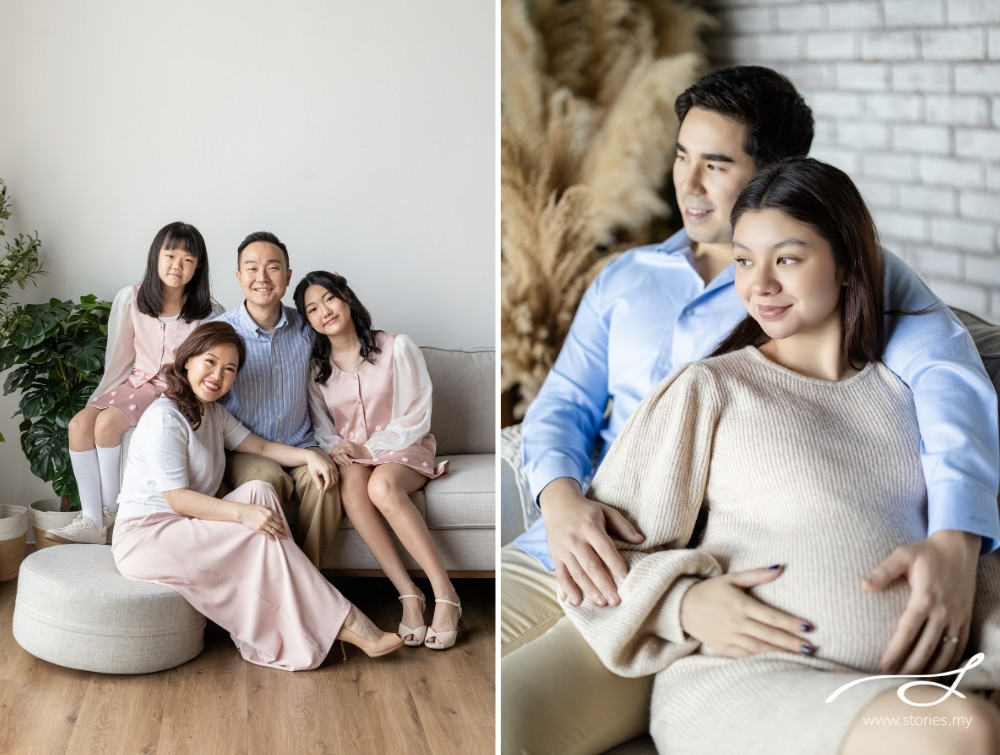
A great way of celebrating that baby bump growing inside of you is through a maternity photo session. The best time to do this is between your 30-36 week of pregnancy. You should be nice and shapely then! If you are planning for a maternity session, you should also give some thought to the props that you could bring along to make the photo shoot more fun. Props can add depth, meaning, and a touch of personality to your photos, making each session unique. Here are some creative prop ideas that can elevate your maternity photo shoots.

1. Ultrasound Photos

The ultrasound is your baby’s very first photo! This tiny glimpse into the life growing inside of you adds a personal and emotional touch to the images. It’s a great prop to also reuse in your newborn baby portrait session. It never gets old!

2. Baby Clothes

Including a favorite baby outfit or onesie in the photo shoot can add a cute and personal element. This prop is not only adorable but also creates a sense of anticipation of the future.

3. Baby Shoes

Tiny baby shoes are an adorable addition to any maternity photo shoot. You can place the shoes on the your belly, in your hands, or next to other props. It’s even more fun when you have matching shoes too!

4. Personalized Signs

Personalized signs with the baby’s name, a due date, or a meaningful quote can make a maternity photo shoot feel even more special. These signs can be simple chalkboards, wooden plaques, or even banners. Have an older sibling hold the signboard, and that can be really meaningful as well.

5. Floral Crowns and Bouquets

Flowers can add a soft touch to your session, creating a serene environment. You can opt for fresh flowers that match the season, or choose faux flowers that align with the colour scheme of the session. If you are planning on a photo shoot in a bath tub, you can also add petals into the water.

6. Books

Books are a wonderful prop that can represent the story you will share with your child. There are many personalised books options nowadays, and you can include your baby’s name in the book as well.

7. Sentimental items

You could bring along items that hold a special meaning for you. For example, this could be a piece of jewelery, your wedding bands, a family heirloom, or even your own childhood toy.

We hope this article gives you some ideas on how you can personalise your maternity photo session with props. It brings us great joy to celebrate the anticipation of a newborn. View our maternity portfolio here or contact us to schedule your maternity session!