fbpx Skip to main content
Category

At Home

What is a Newborn Photoshoot and What Do To If You Miss The Shoot Window 

A newborn photoshoot is a specialised photography session that focuses on capturing images of your brand new baby in the early days of their life. A newborn photoshoot often features babies in sleepy, curled-up poses. While babies are generally considered newborns for the first few months, to a photographer, that window closes much sooner, after about 3 weeks. This is because babies above this age tend to be awake and less likely to spend time in the curled-up pose that makes newborn photography so special.

Most people don’t realise how small this window actually is, which is why it’s so important to plan your newborn photoshoot well in advance, ideally during your second or third trimester!
Posed Newborn Photography vs Lifestyle Newborn Photography 
Posed Newborn Photography 

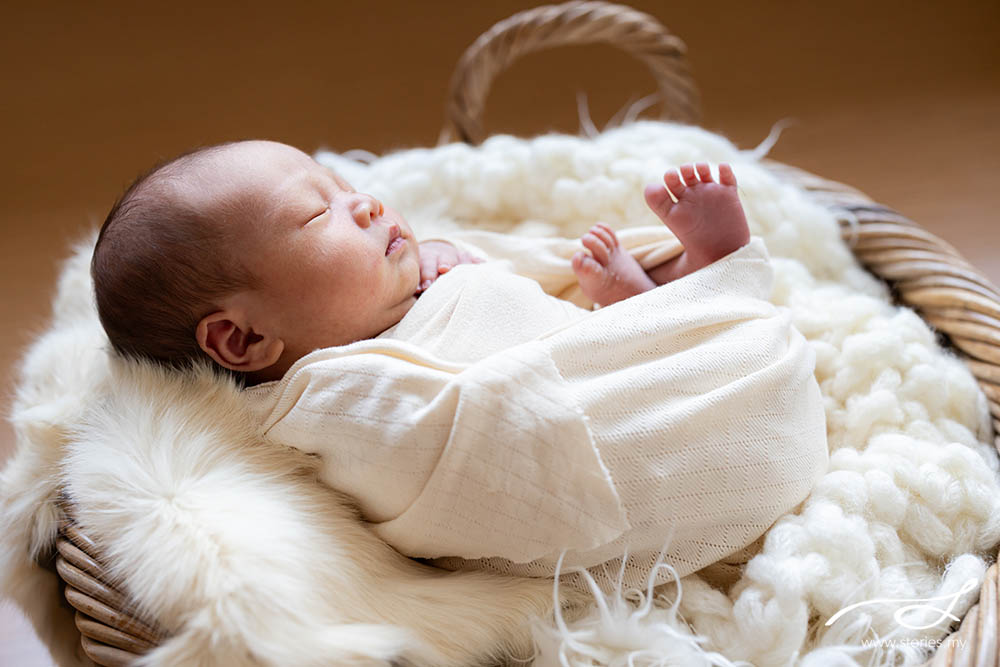
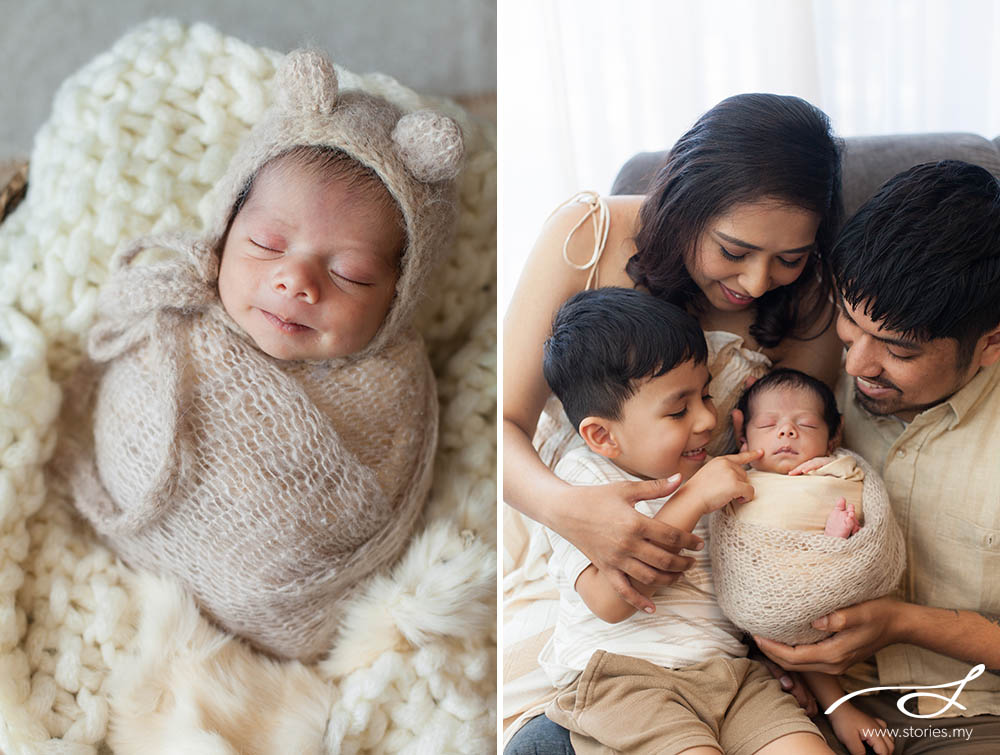
When most people think about newborn photography, posed newborn photography is probably what comes to mind. This is the more classic approach, with the baby being placed in specific poses to show off their tiny features. Babies are often swaddled during the shoot and a variety of props (think wraps, knitted hats, and baskets) are used. You can also choose to do the session with your baby unclothed for a more minimalist look. 

Traditionally, a posed newborn photoshoot works best within the first few weeks after birth, when baby is sleepier and therefore more malleable to posing. Babies at this age also tend to enjoy being swaddled and in the curled-up position. This is why a posed newborn photoshoot is time-sensitive and best done before the 3-week mark.
Lifestyle Newborn Photography

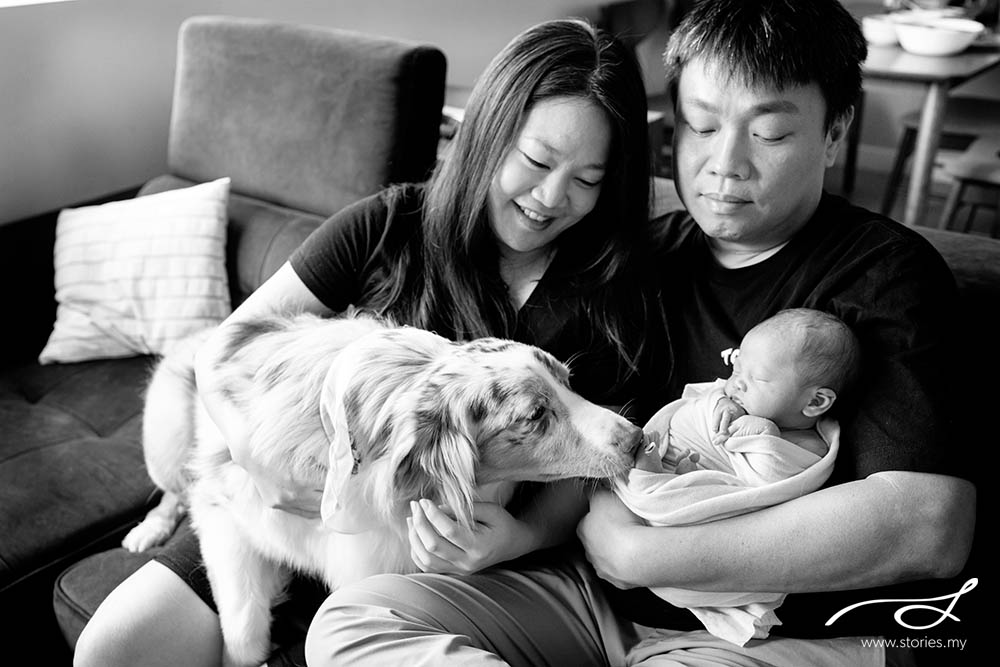
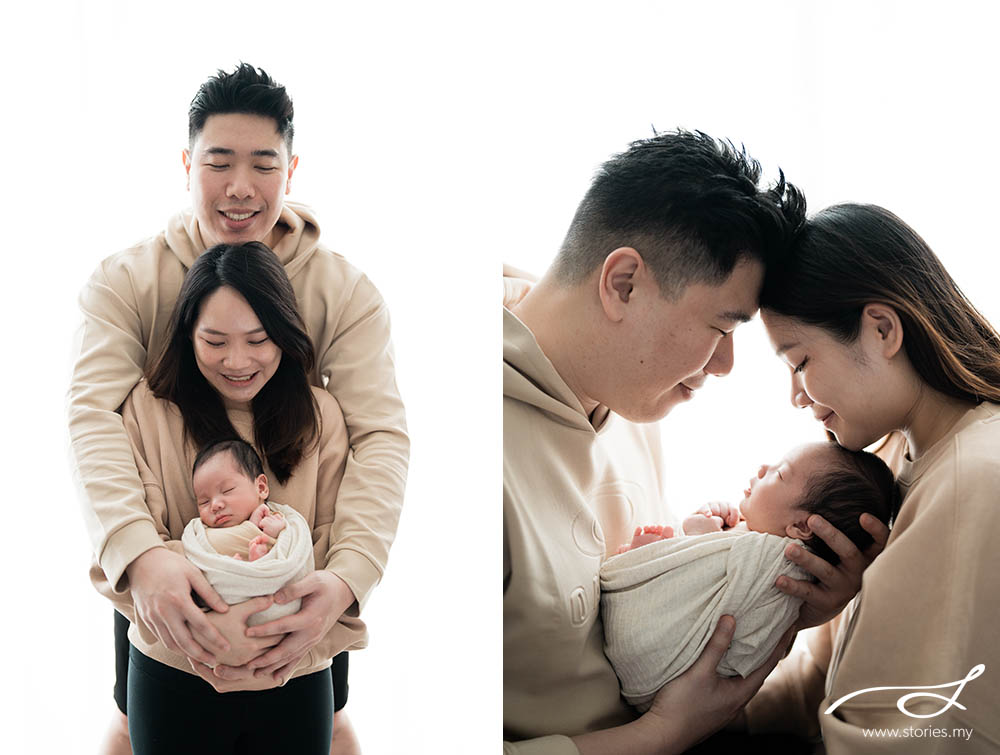
Lifestyle newborn photography, on the other hand, is a more relaxed and informal approach, focused on the natural expressions and interactions between you and your baby. The outcome is a more candid photoshoot that aims to preserve the natural essence of the moment. We usually recommend this style be done at your home, as it adds a personal and meaningful layer to your story.

Because lifestyle photography relies less on posing, there is no strict age limit. But we still recommend taking the photos in the first month, especially if you wish to document those tiny, teeny features of your newborn that change so quickly. 

For an in-home session, you don’t need a Pinterest-perfect home, just a couple of softly lit spaces to work with. The nursery, living room, and parents’ bedroom are usually the best spots. A quick tidy of surfaces and some natural light goes a long way.
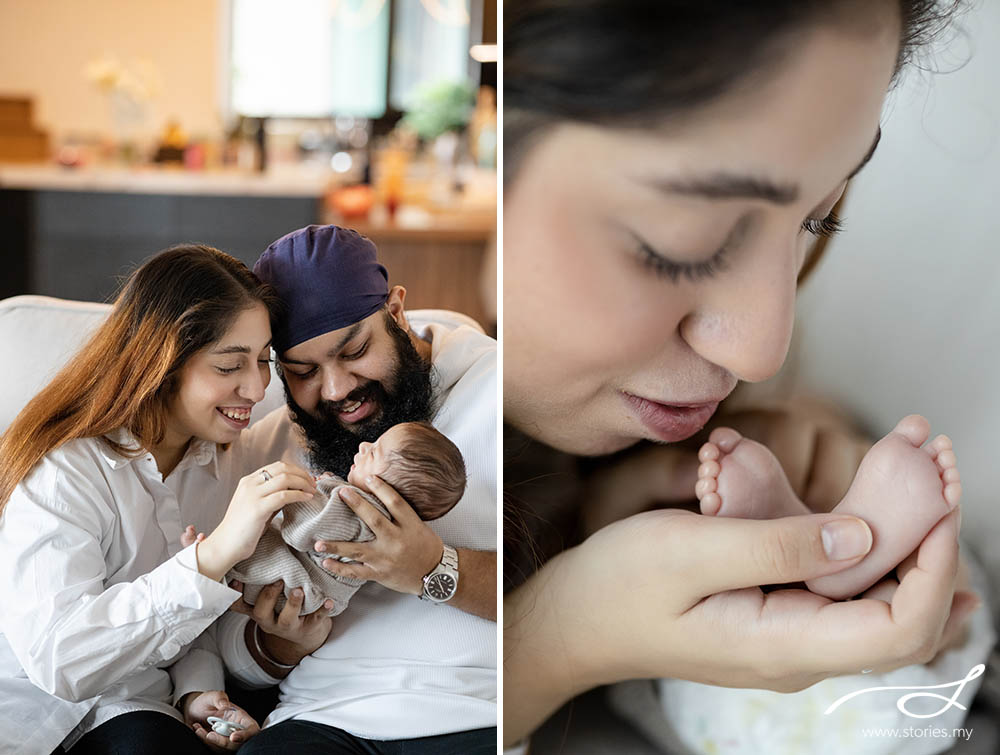
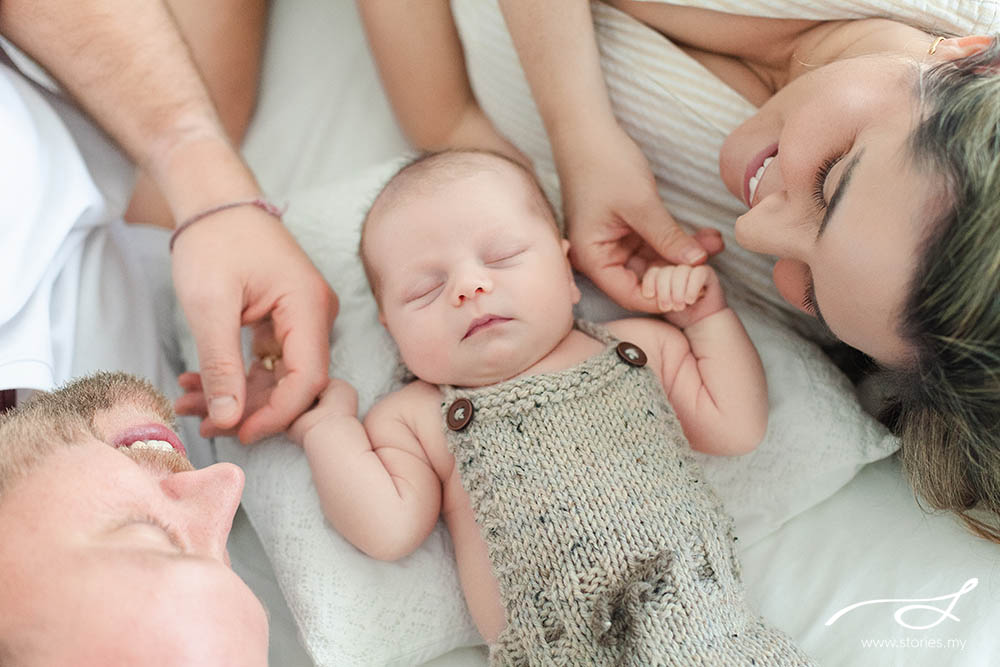
At Stories, our newborn photoshoot is a combination of the posed and lifestyle newborn photoshoots for the best of both worlds.

How to Prepare for Your Newborn Photoshoot

A little preparation goes a long way in helping the session run smoothly and stress-free. A Stories newborn photography session lasts approximately 1.5 hours in duration. You could do the shoot at our studio, your home, or your confinement centre. You can let us know if you prefer a more posed or lifestyle approach, and we will adapt accordingly. We will bring all the swaddles and some props for the session. Here are a few other things to keep in mind:

Before the session: Try to keep your baby awake in the hours leading up to the shoot. A well-fed, sleepy baby makes for peaceful pictures and a much calmer session for everyone. Feed and burp your baby right before the session begins, and avoid a full feed one to two hours beforehand so they’re ready for a proper meal just before you start.

What to bring: Pack at least one change of clothing in case of any accidents, as well as everything you’d normally need for feeding and changing. If there’s a special item you’d like included in the photos, a family heirloom, a handmade blanket, or a meaningful keepsake, let us know in advance.

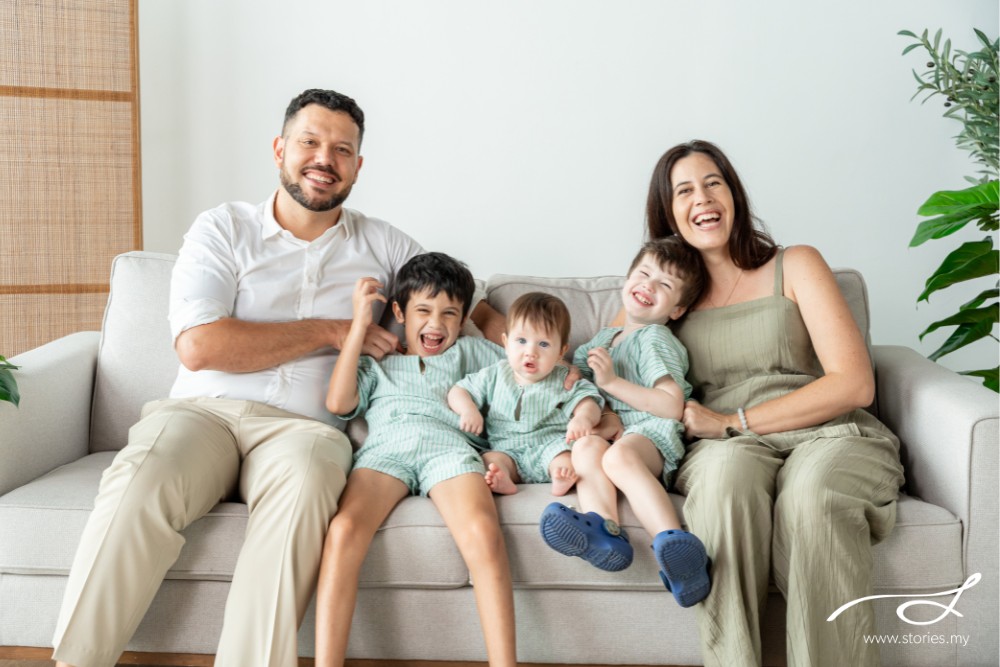
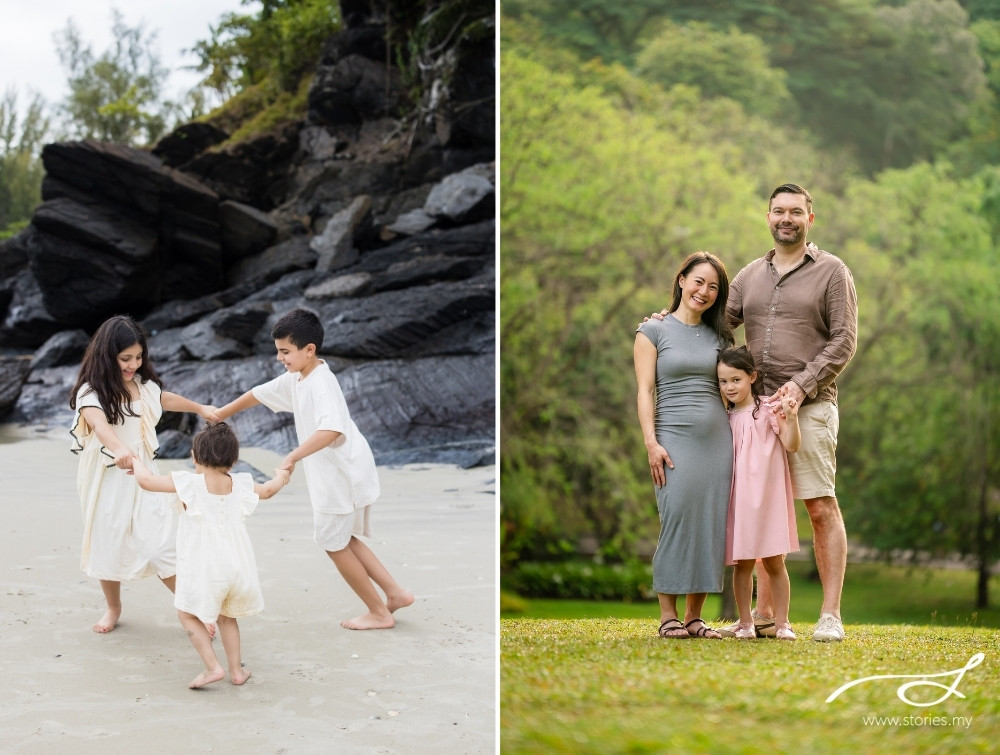
For parents: Wear neutral colours like creams and soft tones for the family shots, and avoid chunky jewellery or accessories that might distract from the main subject, your baby! We always take variations during the shoot, so you’ll definitely be included in the session. These moments pass faster than you think, and you’ll treasure them.

During the session: Try to stay calm and relaxed. Babies can sense tension, so the calmer you are, the more settled your baby is likely to be. Fussing and crying is completely normal, so don’t panic if your baby does that! We have seen it all and will work patiently with you.
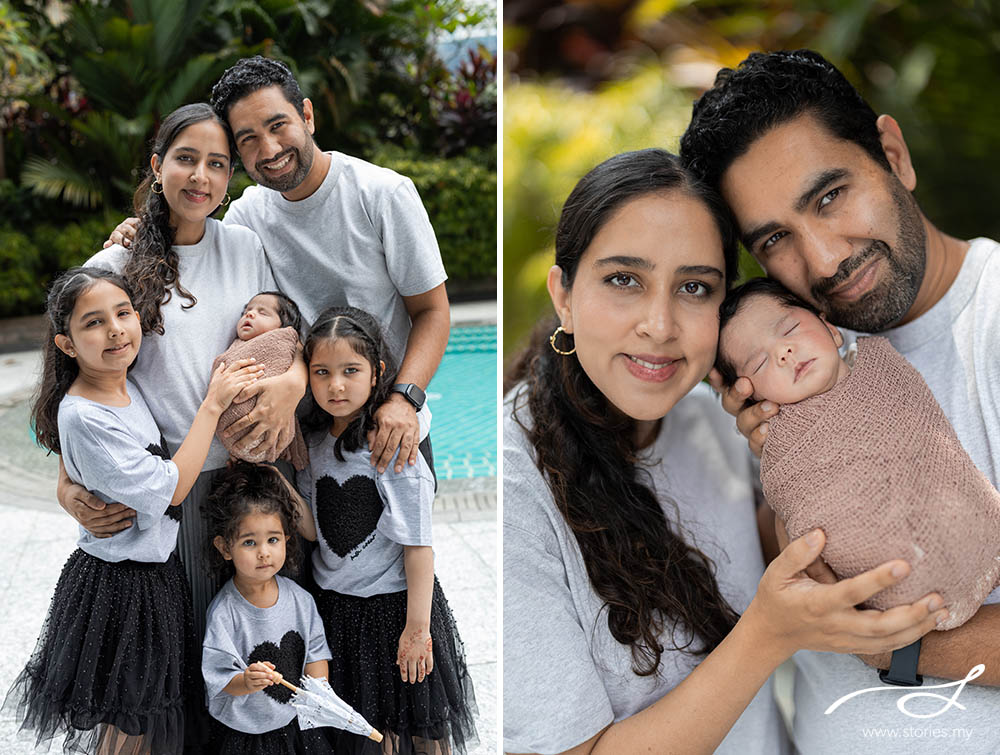
What If You Missed The Newborn Photoshoot Window?

We get it; the first month of being a new mum is exhausting. Between all the crying, endless feeding and diaper changing (not to mention recovering from delivery), a photoshoot may be the last thing on your mind. 

If having a photoshoot in the first three weeks is not an option, don’t worry about it! Just because your baby isn’t a newborn anymore doesn’t mean you can’t still have a beautiful photoshoot. After all, babies don’t stop being cute, and any age is a good time to capture these precious memories.

If you do plan to take the photoshoot after the one-month-old mark, there are just a few things to take note of.

Since babies are more awake and active by then, we recommend a lifestyle photography session rather than a posed newborn shoot. Rather than sleepy, curled up poses, the focus will be on alert expressions, eye contact and perhaps even a smile. 

If you need more time for rest and the photoshoot gets pushed back even further, the sessions can always be customised to focus on baby milestones, such as tummy time, crawling, etc. You can see this article for some milestones worth capturing.

Having a baby is one of the most extraordinary phases of life. Regardless of when you choose to do your photoshoot, you will always cherish the photos and the memories of the session. 
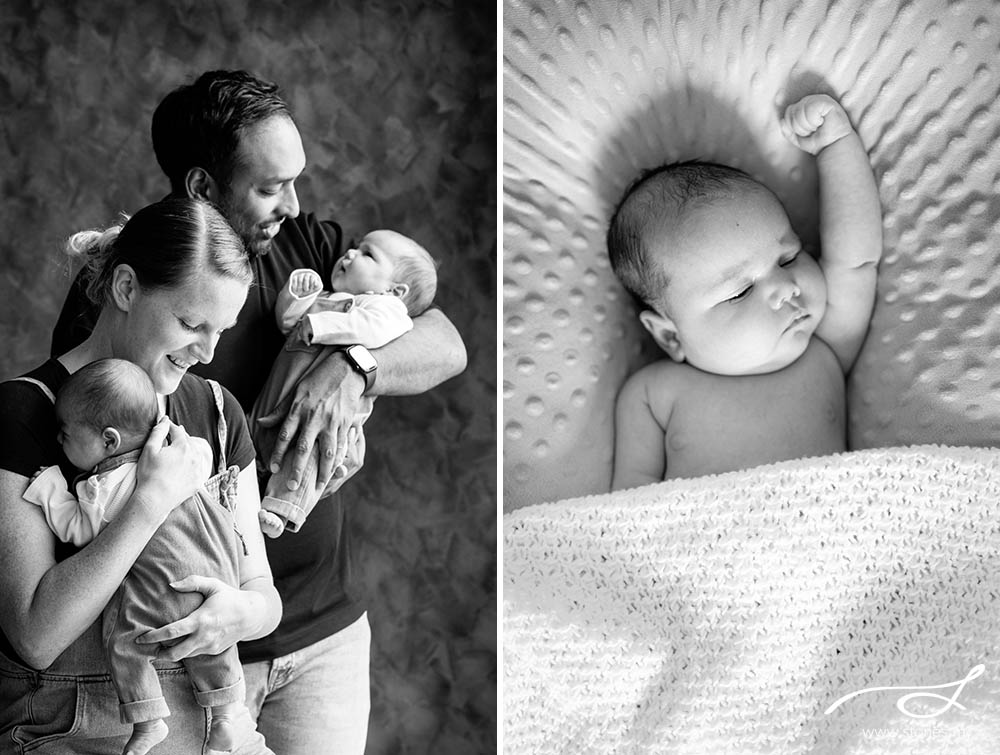
What You Wear Matters More Than You Think

Let’s be honest. The first question before any shoot is always, “What should we wear?” Usually followed by a few outfit changes, a bit of overthinking, and at least one “does this match?” moment. And fair enough, it’s not always the easiest question to answer.

But maybe the better question is, “What tends to work well on camera?”

Because while a good outfit can elevate a photo, the right choices can really help everything feel a little more natural and put together, without taking attention away from you.

Let’s talk colours

Colours don’t just sit there looking nice. They’re doing quite a bit behind the scenes. They reflect light, affect skin tones, and influence how a photo feels overall.

Very bright colours can sometimes reflect onto the skin more than expected.
Very dark tones can feel a little heavier in photos.
And when there are too many different colours in one frame, it can start to feel a little busy. And not always in a good way.

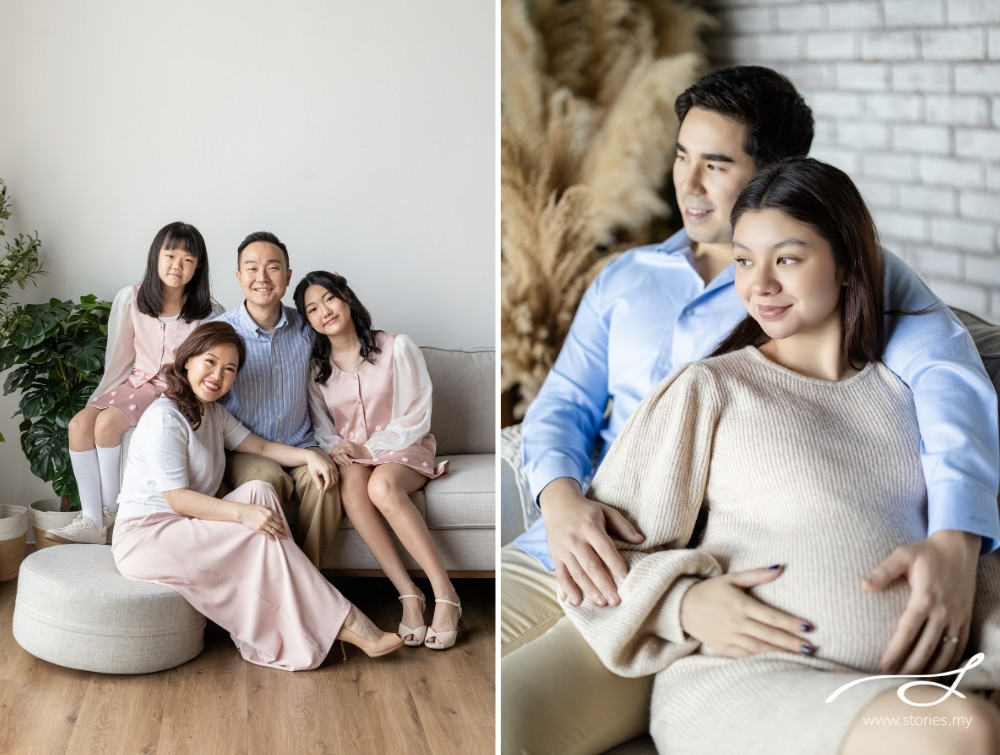
This is why softer tones, neutrals, and earthy palettes tend to work so well. They keep things balanced and let the focus stay on people. Also, they are generally easier to match as a group, which helps when everyone is trying to agree on what to wear at the same time… which is usually where things get a little chaotic.

Things that tend to work better

Over time, we have noticed a few things that tend to photograph more smoothly:

  1. Coordinated over matching
    Outfits that complement each other often feel more natural than everyone wearing the exact same thing. A little variation actually makes the whole photo feel more alive and a lot less stressful to put together.
  2. Simpler patterns
    Smaller prints or textures tend to photograph more cleanly and keep the attention where it should be. Nothing too loud, nothing too distracting, just enough.
  3. Softer colour tones
    Muted or toned-down colours are usually more flattering on camera and easier to work with. They also tend to age better when you look back at the photos later.
  4. Comfort matters
    Outfits that feel easy to move in help you stay relaxed and present during the shoot. If you feel good, it shows. If you don’t, that usually shows pretty quickly too.
  5. Staying true to your style
    Photos always feel more natural when you look like yourself, just a little more put together. No need to suddenly become someone else for the day. You don’t need a whole new personality just for photos.

Where everything starts to click

So instead of overthinking every detail, here’s a simpler way to look at it. Think of your outfit as part of the overall frame, not the main focus.

Soft, balanced colours.
Simple textures.
Pieces that move easily with you.

And most importantly, something you feel comfortable and confident in. That usually does more for a photo than anything else.

If there’s one thing to take away

Photos are not really about the outfit. But the right outfit can help everything come together a little more naturally. More than anything, it’s about how you feel in what you’re wearing. When you’re comfortable, when you feel like yourself, it shows in ways you don’t have to think about.

So keep it simple, comfortable, and true to you. Because the best photos are the ones where you feel like yourself in them.

Oh, and this year’s colour of the year

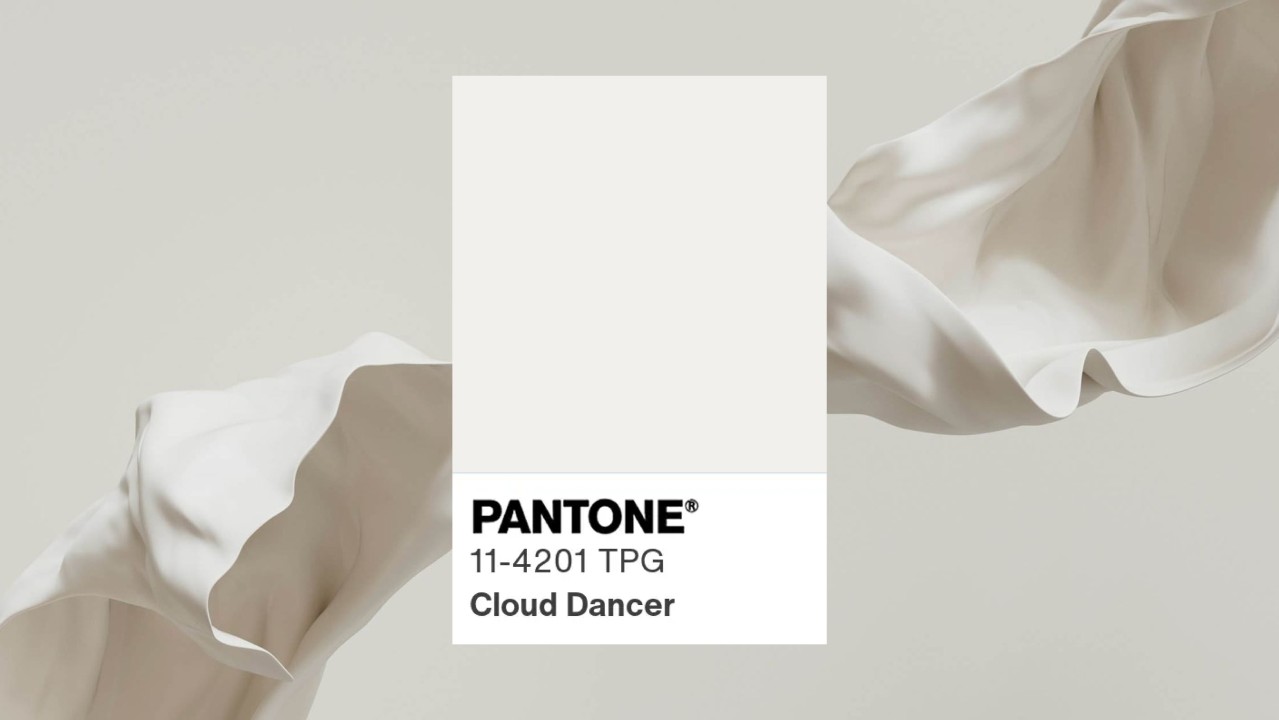
Oh, and speaking of colours, Pantone’s Colour of the Year for 2026 is Cloud Dancer. Which, yes, is a very nice way of saying a really good shade of white. It’s a soft, airy white that leans slightly warm. Calm, minimal, and very easy to work with. The kind of colour that feels clean and effortless. It also photographs really well. It doesn’t compete for attention and pairs nicely with almost everything. It’s one of those colours that just works without needing too much effort.

You don’t have to go all in, but it works nicely as a base or layered with softer tones. And if nothing else, it’s a very safe option when no one can decide what to wear. What do you think, something you would wear for a shoot, or more of a background kind of colour? If you would like to read more about colours, check out this other blog post we wrote.
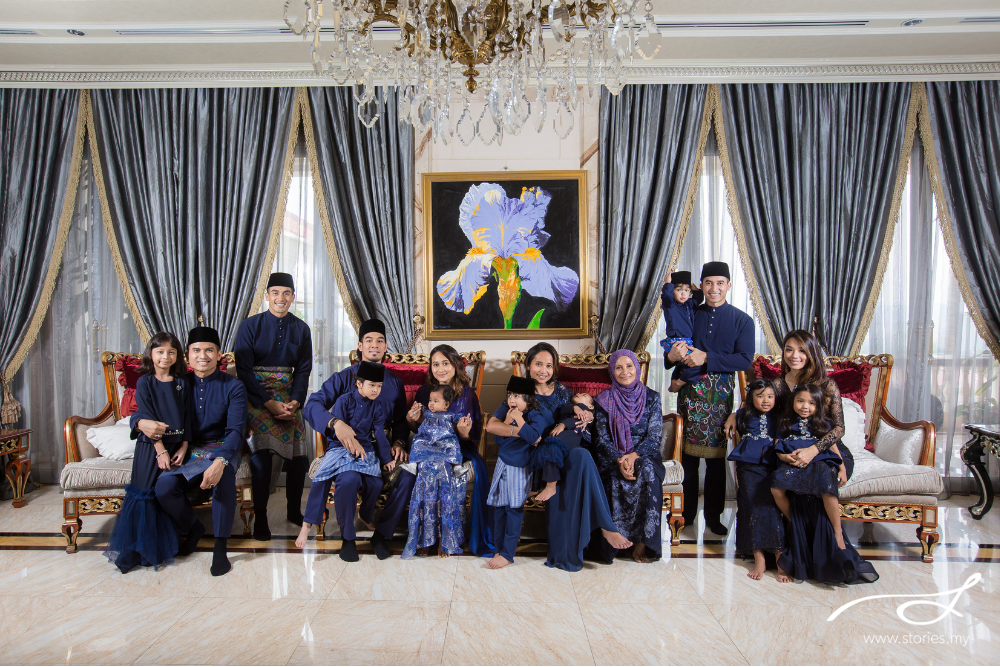
And if you are ever unsure what to wear, we are always happy to guide you through styling for your session.

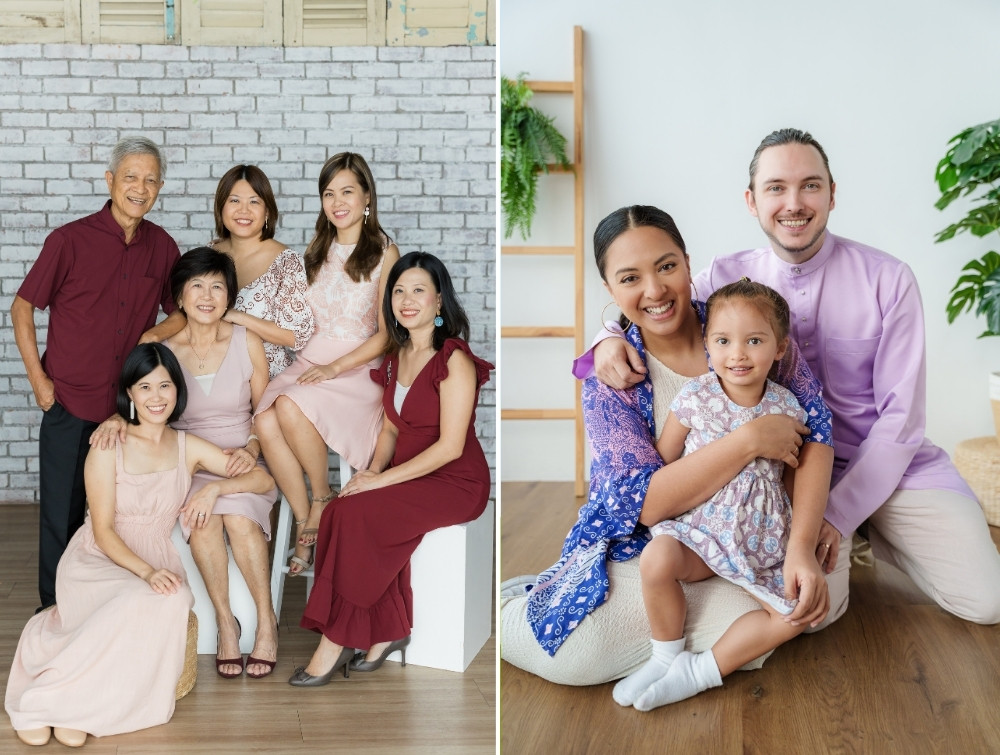
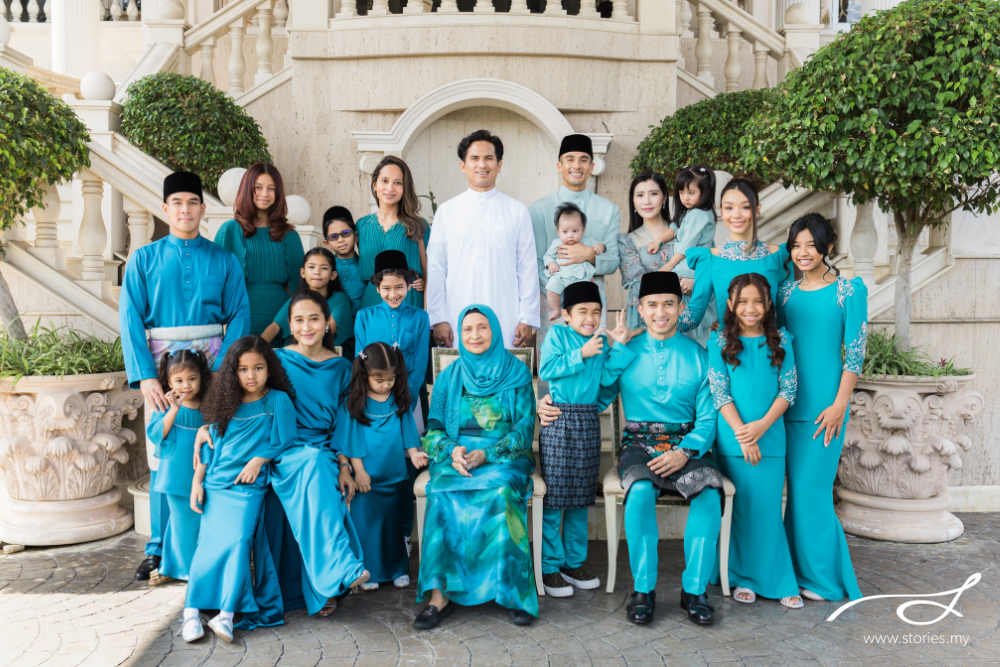
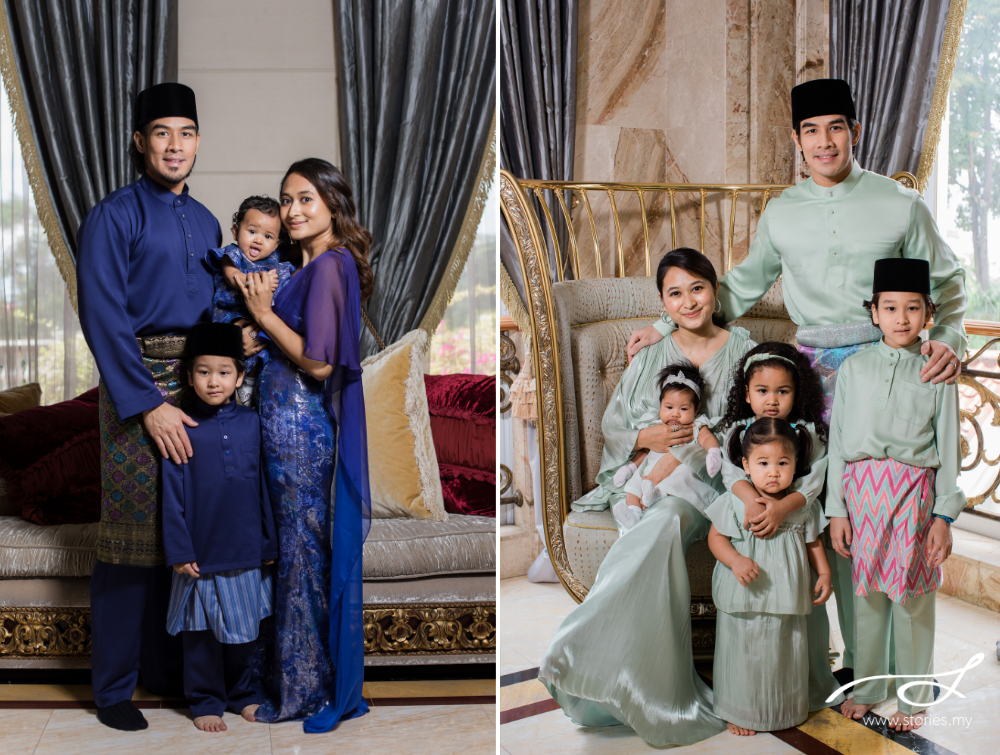
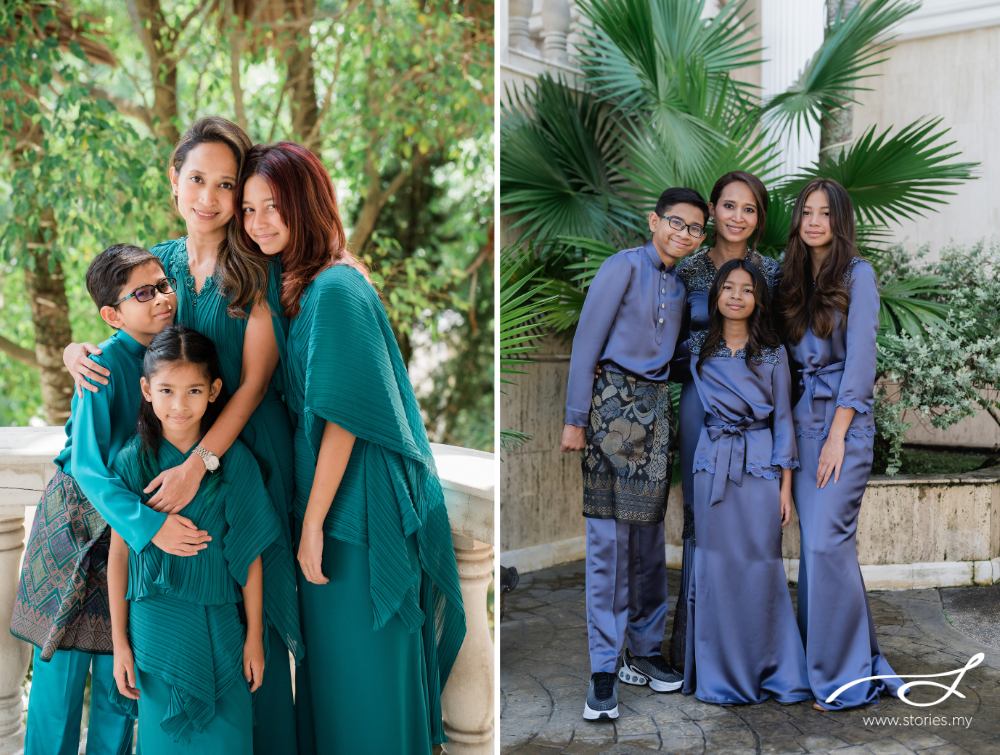
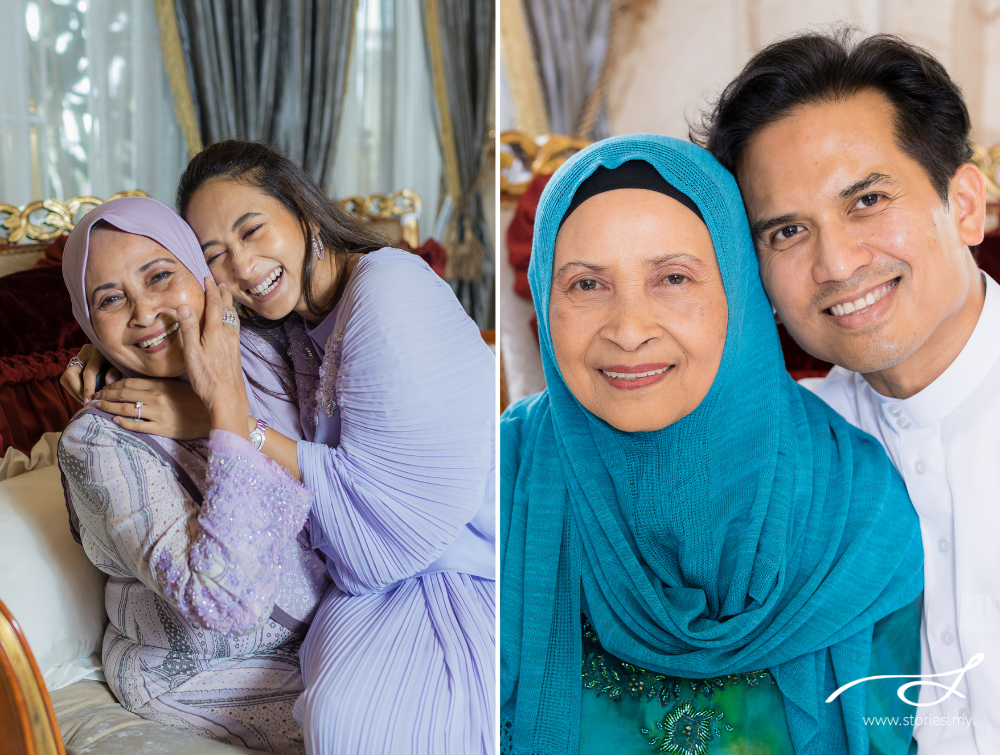
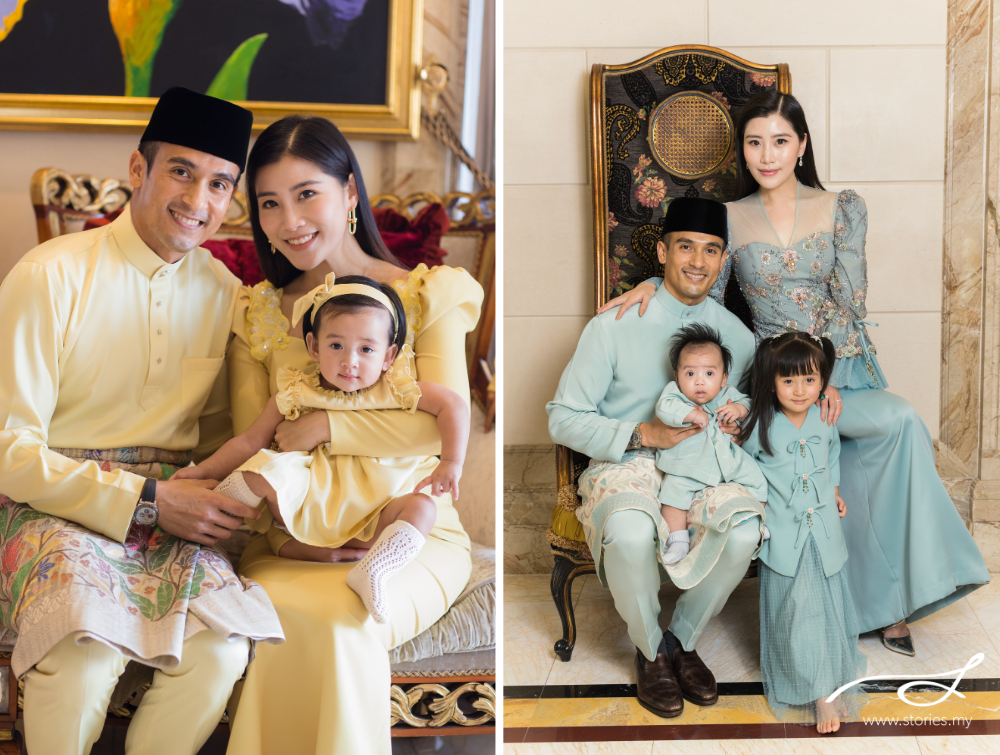
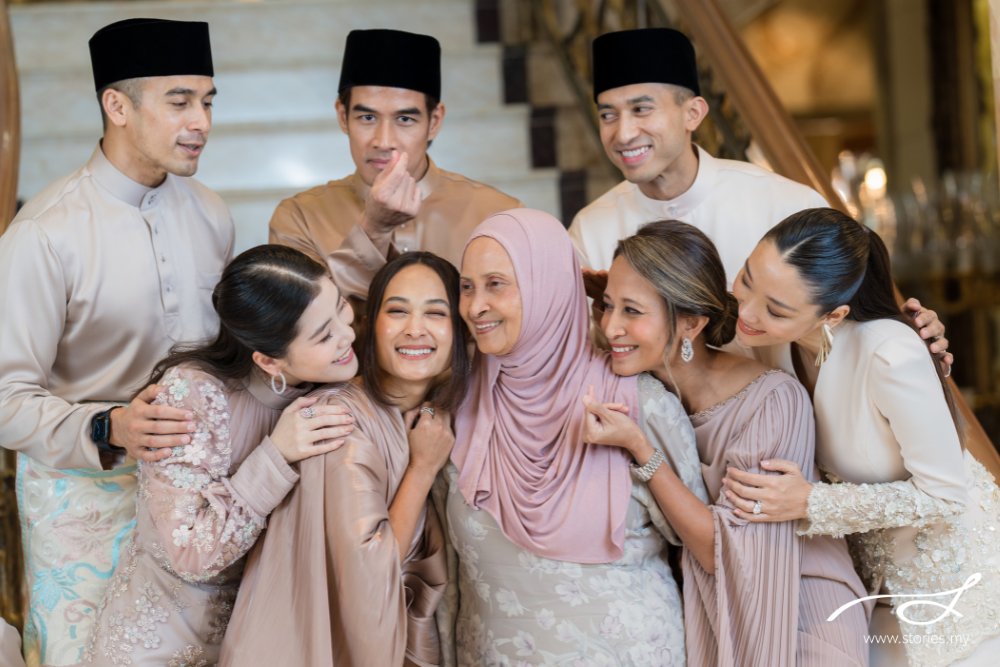
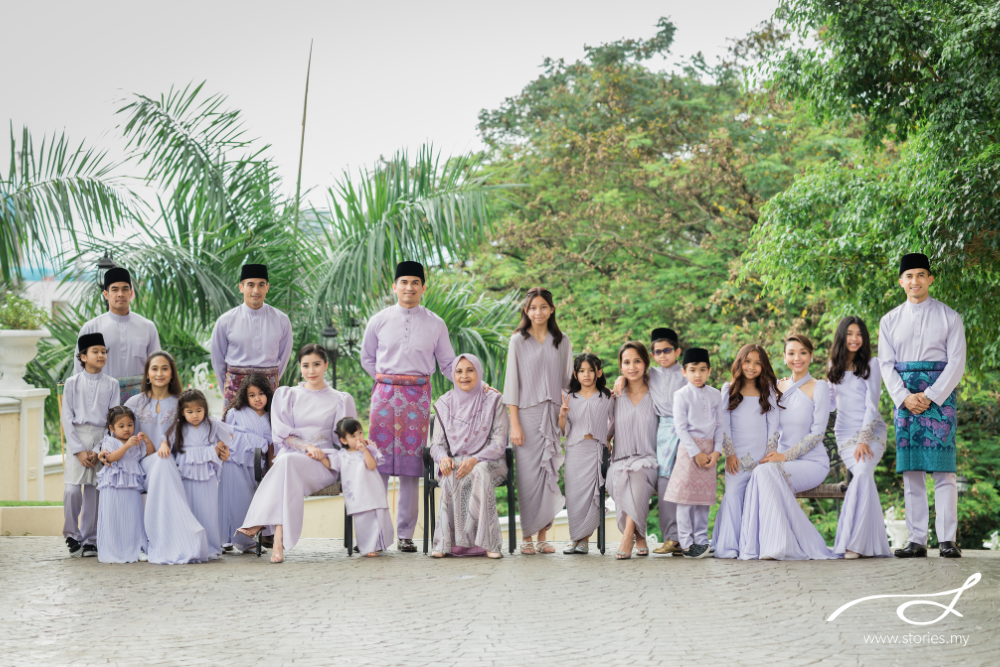
A Decade of Raya: 10 Years of Memories with the Nasimuddin Family

Ten years ago, producer/director Peter Chin introduced me to the Nasimuddin family. At the time, it was simply a request to photograph their Raya family portrait.

I did not know then that it would become a decade-long tradition.

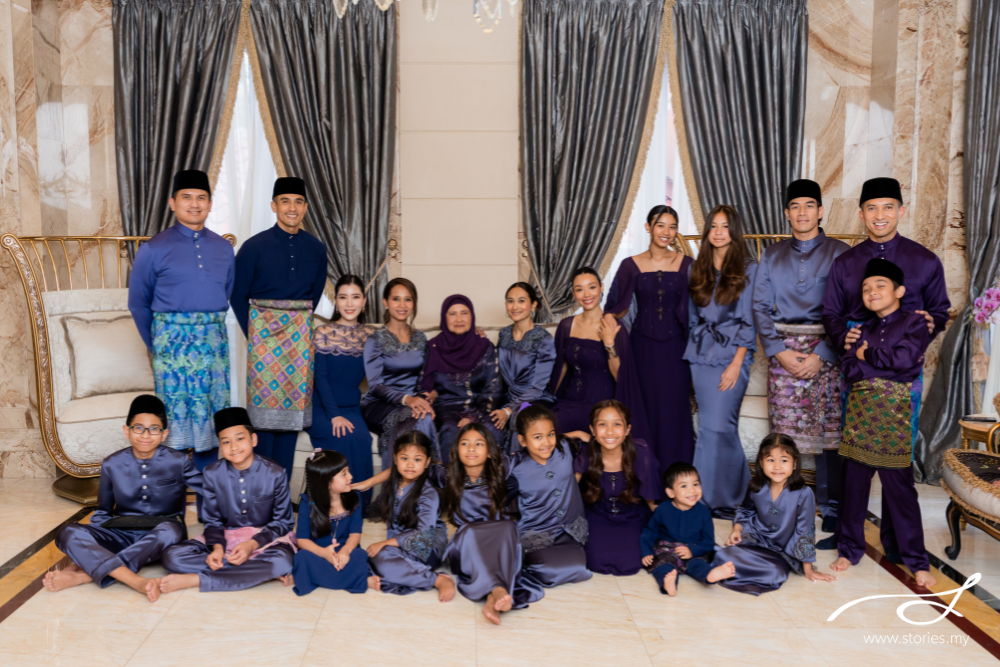
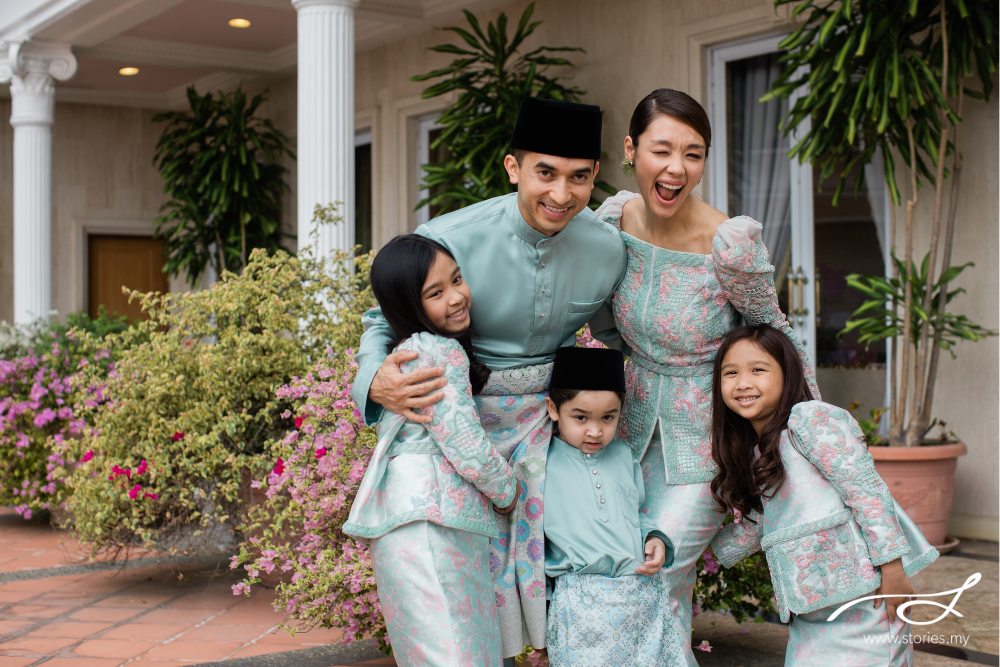
Every year, on the first day of Hari Raya, the extended family gathers at the home of Puan Sri Zaleha Ismail. Between greetings, laughter, and the joyful chaos that comes with a house full of relatives, the Stories team arrives with our cameras to capture a moment that has now become part of the family’s annual ritual.

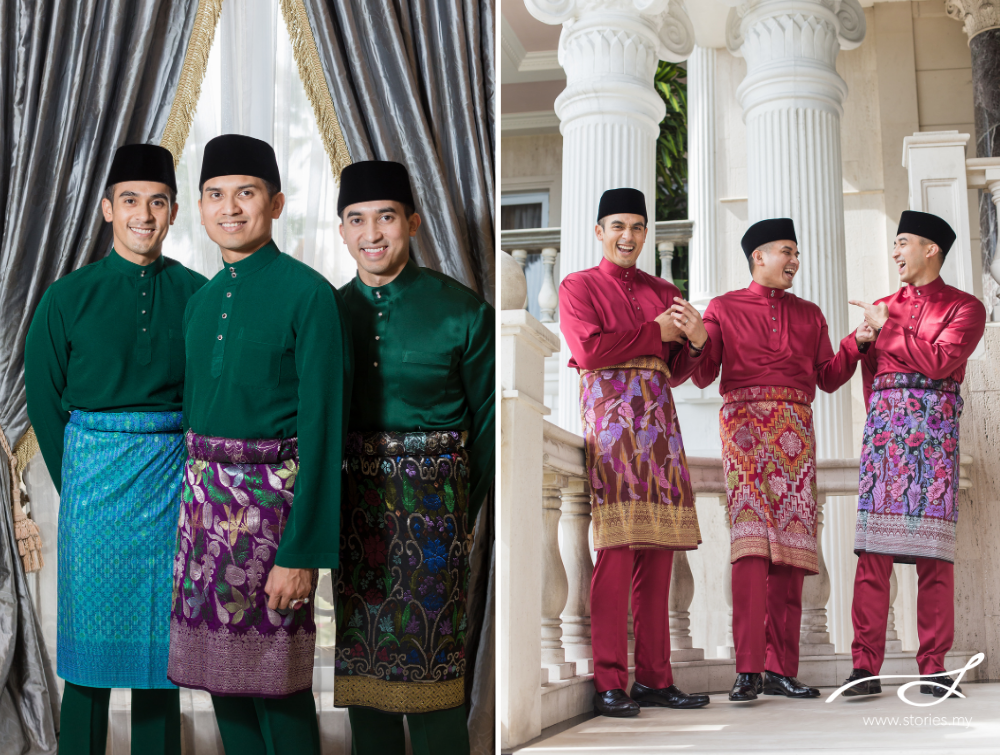
The family includes Puan Sri Zaleha, her children and their families: Datuk SM Faisal, Nur Diana, SM Nasarudin and Marion Caunter, Faliq and Chryseis Tan, as well as Nur Nadia and Hamzah.

It is a big family. And when everyone gathers together in their Raya outfits, the house fills with energy.

In the early years, photographing the children was an adventure in itself. Toddlers rarely sit still for long. I still remember little Liam crawling away from the sofa during one of our sessions while the adults laughed and tried to coax him back.

Fast forward a decade, and those same children now walk into the room with growing confidence and personalities of their own. Some who once needed to be carried now stand tall beside their parents. Along the way, new babies have joined the family, and every year the group grows just a little bigger.

For Marion Caunter, the yearly portrait has become a moment she looks forward to.

“I do photos for a living, but family shots are always the most stressful,” she laughs. “But it’s so fun every year to do them with the kids as they grow older and more babies enter the family. You see the family grow, and it’s just chaos but in a good way.”

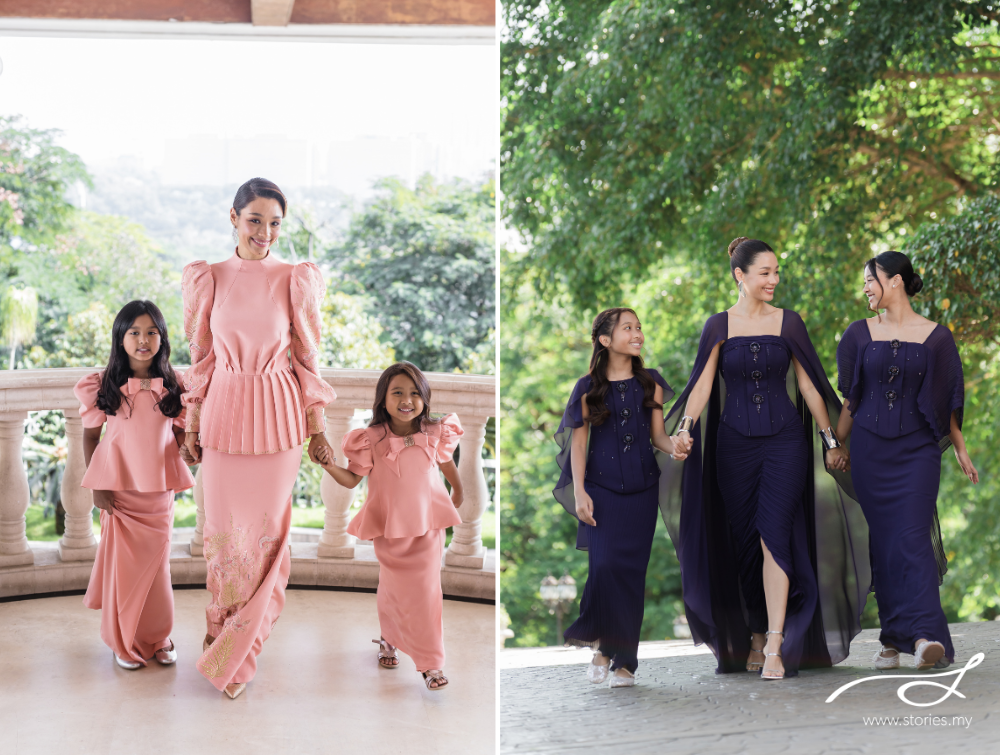
One of the highlights of each session is Marion’s now legendary “catwalk moment” with her daughters Leia and Lana. Year after year, they stride toward the camera together, turning a simple walk into a playful tradition. When you watch the images side by side across the years, it becomes a beautiful visual timeline of childhood unfolding.

That is what makes these annual portraits so meaningful.

A single photograph captures a moment. But a series of photographs over time captures a life story.

When we look back through ten years of images, we see children growing taller, cousins forming bonds, and the subtle ways families evolve over time.

For us at Stories, moments like these remind us that photography is about much more than a single photoshoot.

Every family we photograph becomes part of a larger narrative. In that moment behind the camera, we are witnessing a slice of life that will one day become part of a family’s history.

That is also why we take archiving seriously. Over the years, we have invested in terabytes of storage to safeguard the photographs we create. It is our way of protecting these memories so that if families ever lose their copies, those moments can still be recovered. Because photographs are not just images. They are pieces of a family’s legacy.

Looking back at the Nasimuddin family’s portraits over the past decade feels a little like flipping through a living archive of Raya celebrations. Each year tells a slightly different story, but the heart of it remains the same: family gathering, laughter filling the home, and one shared moment in front of the camera before the day unfolds.

For us, it is always a privilege to be invited back again the following year to continue documenting that story.

Ten years later, we are still there. Camera in hand. Witnessing the next chapter.

Here’s a behind-the-scenes snippet from one of the shoots we did! Contact us if you’d like to start your own family legacy of images.

How to Arrange People in a Family Photo (Without Losing Your Sanity)

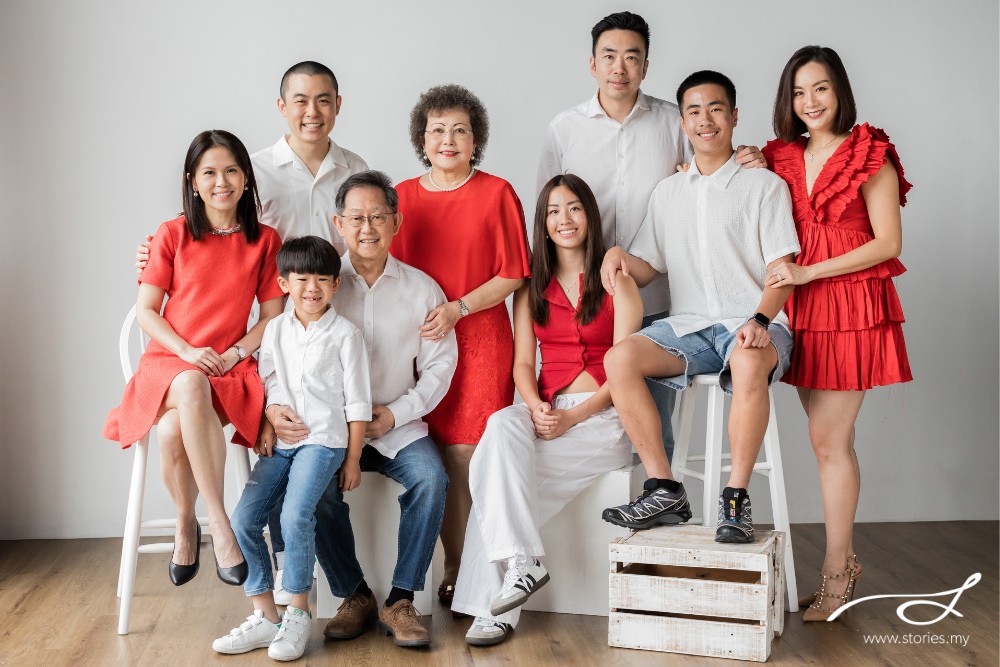
With Chinese New Year and Hari Raya coming up, many families start thinking about taking a proper family photo. What often sounds simple can quickly become stressful. Who stands where? How do we fit everyone in? Why does it look awkward even though everyone is smiling?

The truth is, most family photos don’t fall apart because of the camera or lighting. They fall apart because of arrangement. When people are placed with intention, the photo instantly feels more balanced, connected, and meaningful. It took me years to learn some of these lessons the hard way – by evaluating my photos and finally understanding what worked and what didn’t. Thankfully, 17 years later, I have refined my thought process during every photo shoot. So here are some practical tips to help you elevate your DIY family photos, whether you’re working with a small group or a big extended family.

1. Start with the number of people and the space you have

Before thinking about poses, first be clear about how many people will be in the photo. A group of 10 people needs to be arranged very differently from a group of 20. The size of the group determines how much space you need and how creative you can be with positioning.

More space makes things easier. It allows you to spread people out, create layers, and adjust without rushing. If the space feels tight, you will need to be more intentional about who goes where. This is exactly how I plan my family sessions, especially for larger groups.

2. Arrange people by relationships, not by height

One of the most important things I look at when photographing large families is the family structure. For extended families, I often ask for a simple family tree or a list of names and relationships. This helps me understand how everyone is connected.

For example:
Grandfather and grandmother
Their eldest son and his wife with two children (with age)
Their second son and his wife with two younger children (with age)

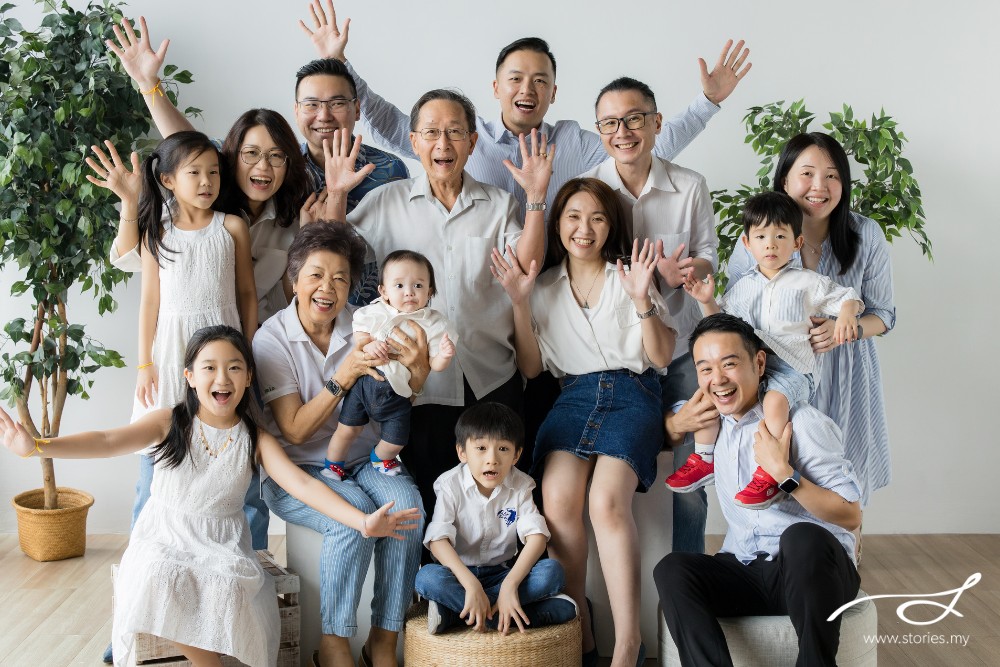
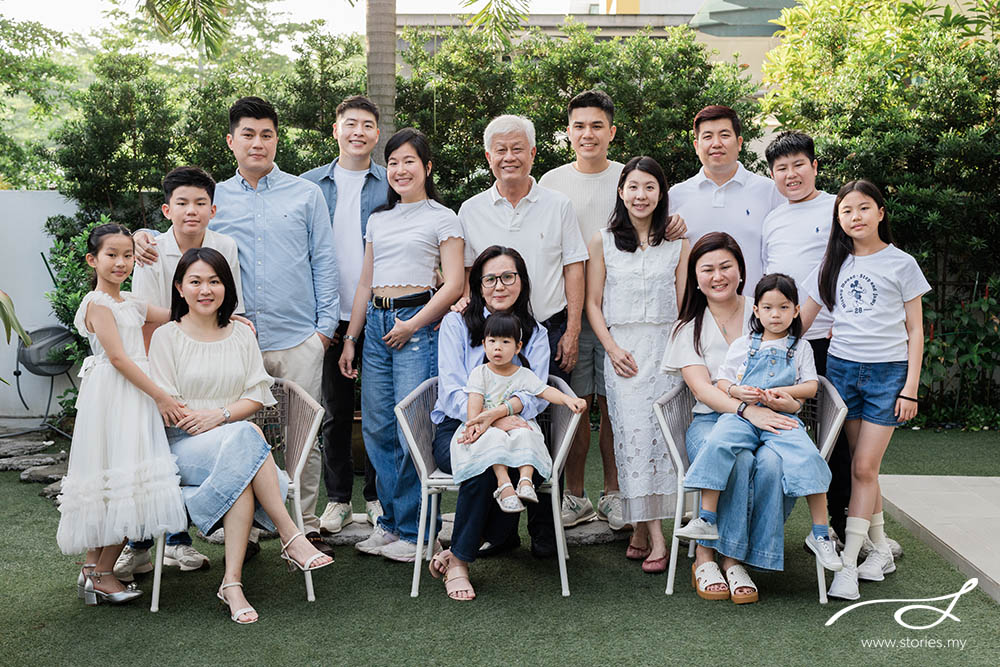
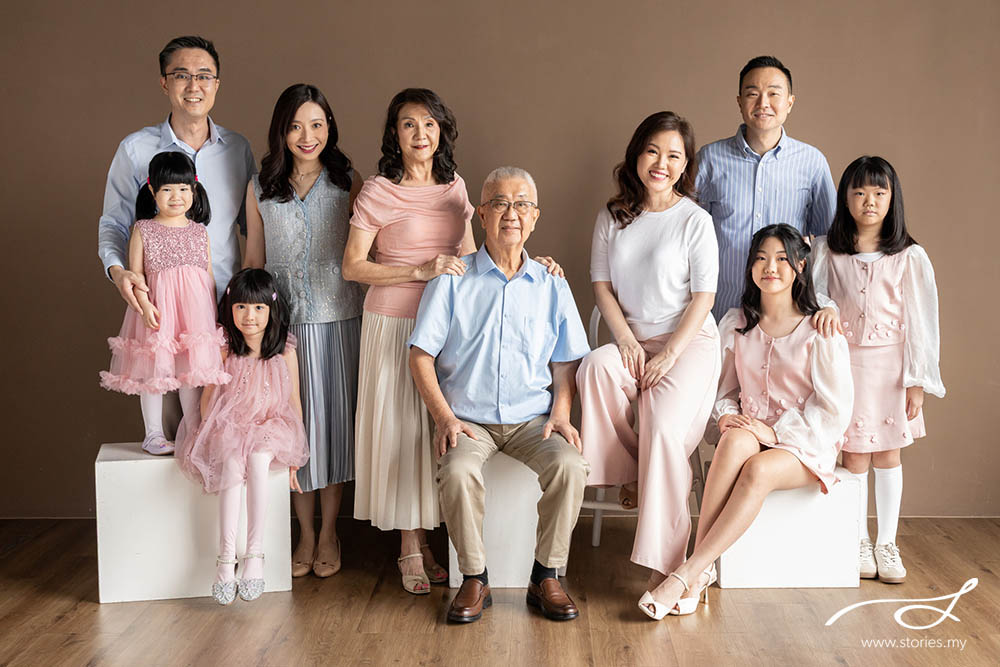
Once relationships are clear, the arrangement becomes much easier. Knowing the age of the children helps me a lot too because positioning a 1-year-old would look different from positioning a 16-year-old. I usually place grandparents in the centre as the heart of the family. Each nuclear family stays together, with children close to their own parents instead of being placed randomly in the group.

This approach does two things. Visually, the photo feels organised and intentional. Emotionally, people feel more comfortable standing with those they are closest to, and that comfort shows in the photo.

3. Create layers to add depth and interest
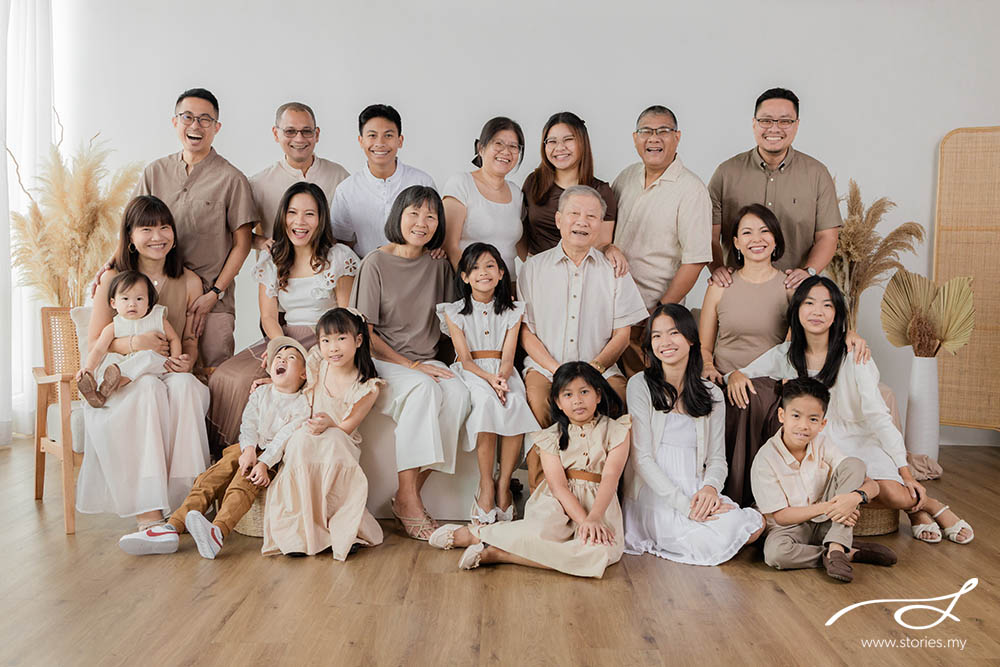
Flat rows tend to look stiff and uninspiring, especially for large groups. Instead, try to create layers by mixing sitting and standing positions.

Some people can sit on chairs or the floor, while others stand behind them. If you are outdoors, use stairs, low walls, tree roots, or rocks. Indoors, stools, boxes, or even the edge of a sofa can help create different heights.

For groups of 15 people or more, you may need two to three layers. Don’t be afraid to let children sit on the floor or stand on a higher surface with support. Layering helps everyone be seen clearly and makes the photo feel more dynamic and natural.

4. Look for triangles and varied heights
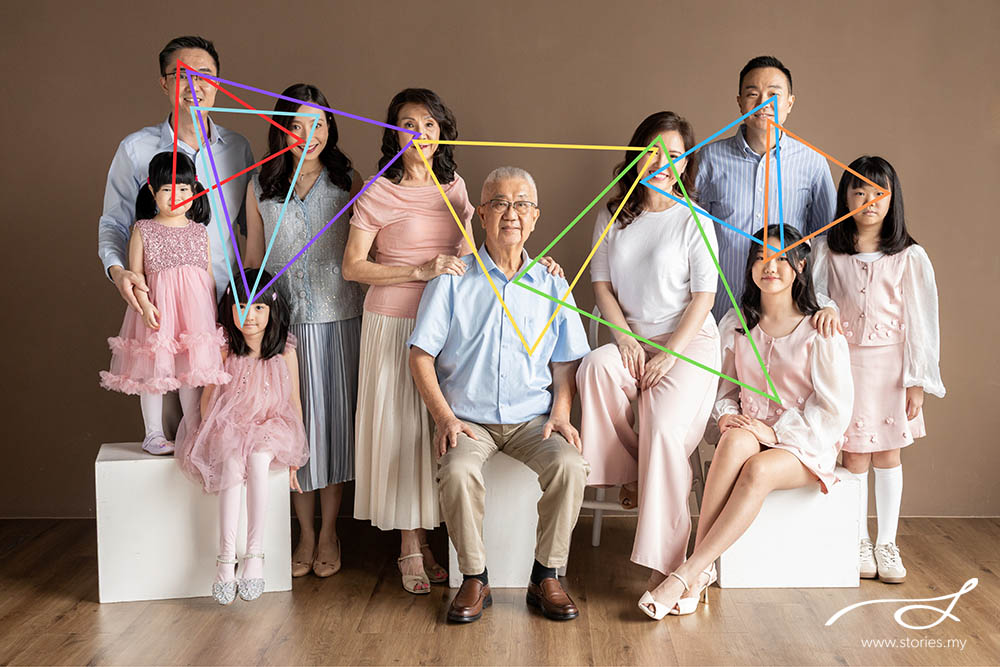
Once people are layered, pay attention to height differences. A tall person doesn’t always need to stand, and a shorter person doesn’t always need to sit. The goal is to create gentle triangular shapes throughout the photo.

These triangles guide the eye and make the composition more interesting. Think of it as creating small peaks and slopes rather than straight lines. Move people slightly, adjust where they sit or stand, and see how the overall shape changes. This is something photographers constantly fine-tune during a session, so take your time and enjoy experimenting.

5. Using a sofa without making it look boring
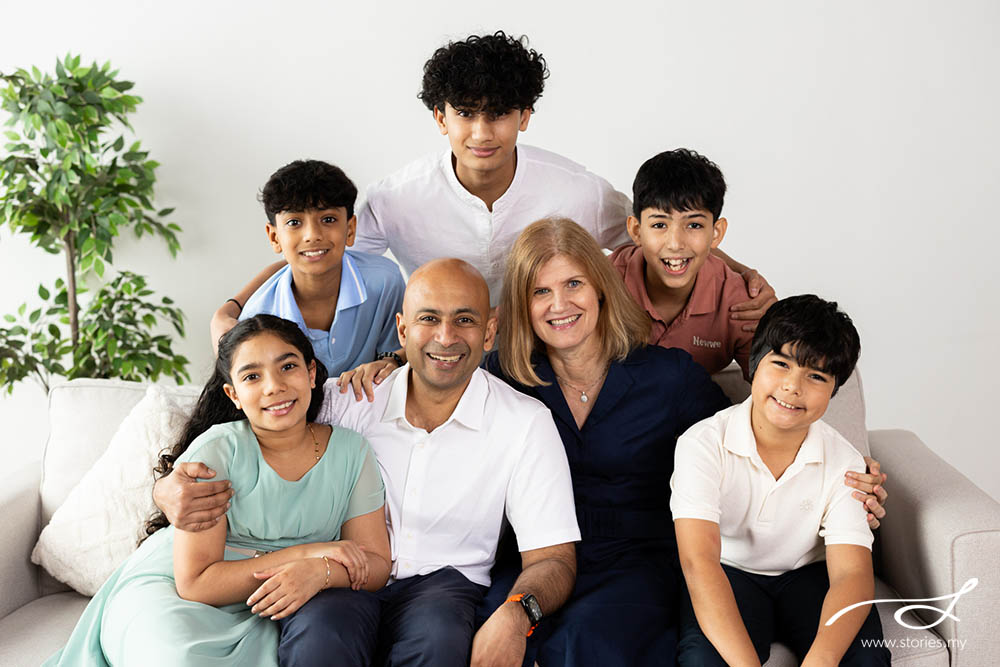
Sofas are common in home photos, but they can easily look dull if everyone sits in a straight line. Try mixing things up by asking someone to sit on the armrest with their legs turned sideways, or placing a few people on the floor in front of the sofa.

If there are people standing behind the sofa, bring them as close as possible to those seated so the group feels connected. For those sitting, ask them to sit slightly forward rather than leaning back fully. This helps with posture and keeps faces closer together.

Every sofa is different. Some are deep or bulky, so not every pose will work. Adjust accordingly and see what looks best in your space.

6. Keep faces close and take a test shot
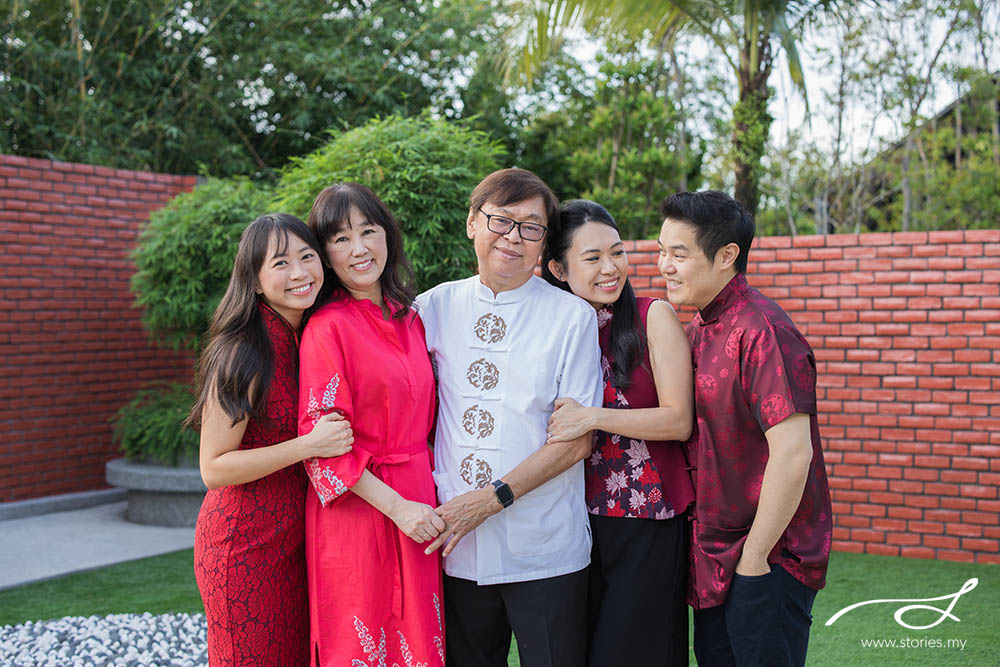
A simple tip that makes a big difference is encouraging people to lean in slightly towards one another. Small movements like shoulders touching or heads gently angled closer can instantly make the photo feel warmer and more connected.

Always take a quick test shot and review it. Look out for gaps, hidden faces, or anyone feeling too far away from the group. Make small adjustments instead of starting over. This is exactly how I work during professional sessions.

A final thought

Family group photos are not easy, especially when there are many personalities involved and different dynamics to the relationships. Don’t aim for perfection. Aim for connection. When people feel comfortable, seen, and close to one another, the photo will naturally feel right.

And if arranging everyone still feels overwhelming, that’s completely normal. This is where having a professional family photographer helps. My role is not just to take photos but to guide families gently through the process so they can relax and enjoy the moment together.

5 Heartfelt Year-End & Christmas Gift Ideas

Okay everyone, let’s be honest: every December, we tell ourselves, “This year I’m going to buy meaningful gifts. No more last-minute, random stuff.” And then suddenly it’s the 24th, online shopping carts are panic-filled, and we’re quietly hoping no one notices we reused a gift bag or even a gift from 2 years ago.

So this year, let me help you out and share a few gift ideas that are personal, fun and honestly, something even you would like to receive. These are the kinds of gifts people actually remember and go “Aww, you are so thoughtful!”

1. A Family, Couple, or Bestie Photoshoot Package (from RM680 & up)

You know how we always say, “We should take proper photos together one day!”? Well, this is that one day gift. A photoshoot package is like bottling up time and it’s something you can use any time, for anyone. Whether it’s for your parents, your siblings, your partner, or a friend who just had a baby or just got engaged. Imagine gifting them an experience where they get to laugh, dress up, feel special, and then receive photos they will keep for life. And the best part? You’re not just giving them images. You’re giving them a memory they will hold dear to and look back on for years. (Psst… our photoshoot package starts from RM680, just in case you want to be the hero of the season.)

2. A Personalized “Memory Box” Filled With Small Treasures

This is my favourite for the sentimental souls. Grab a pretty box, whether it’s wooden, metal, fabric, anything that sparks joy and fill it with tiny reminders of your year together:

  • Movie stubs
  • A tiny jar of their favourite snacks
  • A handwritten letter
  • A printed photo from your last trip (very important!)

A little keepsake that only the two of you understand
It’s simple, inexpensive, and ridiculously meaningful. Receiving gifts is not my top 2 love languages but I love it when people put thought into the gifts and they make me go: “You actually remember what I told you?!”


If this idea is a tad bit too much due to your busy schedule, check out the next one. 

3. Christmas Candle Sets (Preferably Something That Smells Like Cookies!)

For the friend who says “I’m not celebrating Christmas” but secretly loves all the vibes — candles are a dream. Warm vanilla, cinnamon spice, pine forests, gingerbread… basically anything that makes your home feel like a Christmas movie. If you prefer a safer choice, you can opt for vanilla or something light like ocean breeze. Bonus points if you pair it with:

  • A mug
  • Hot cocoa mix
  • A handwritten “slow down and rest” note
    It’s the perfect self-care bundle for anyone ending the year tired (which… is everyone, let’s be real).

Christmas Candle Gift Set

Christmas Discovery Candle Set

4. Personalized Gifts 

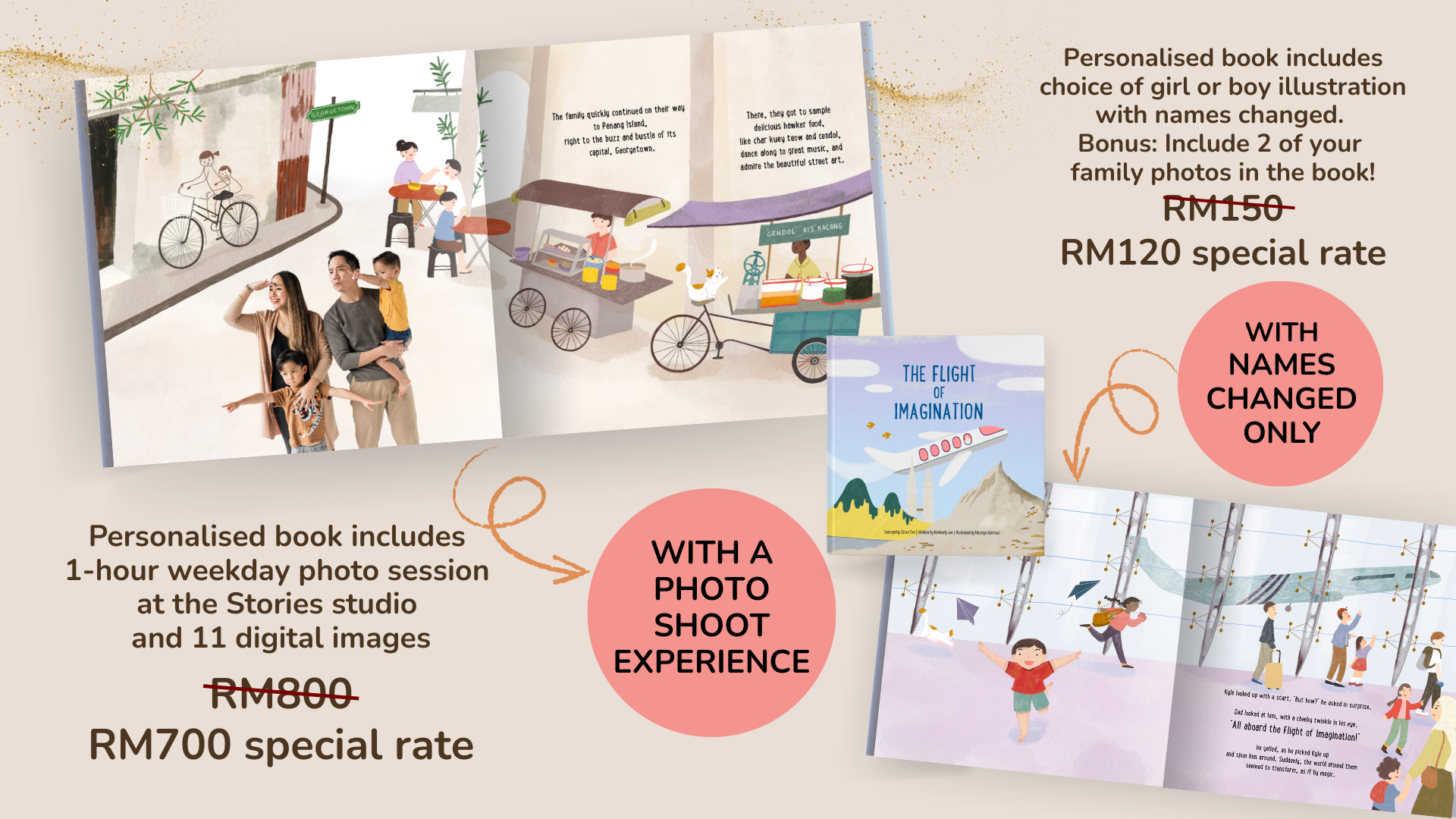
This one’s for families with little ones (aged ~3–8), but I promise! The excitement spills over to everyone. The Flight of Imagination is a personalised storybook where the child becomes the main character! You can include their name, choose skin-tone options, and even slip in two of their family photos so the story feels like “their story”. It’s a whimsical, heart-warming book they read tonight, treasure forever, and maybe show off to their own child someday. Whether you go for the “name only” version, or the full “photo plus story” book with a photoshoot session, this gift becomes a memory beautifully preserved. 

5. The Gifts of Experience

Honestly, people don’t need more stuff. They need more moments. Fun experiences that bring out so much joy and laughter, and to discover more about themselves. So whether it’s a pottery class, a Christmas market date, a baking workshop or a massage or spa voucher, experience gifts are the kind people talk about months later. It’s something they enjoy, learn from, and remember even long after most physical gifts are forgotten at the bottom of the drawer. If you’re thinking what to get for me, I would totally love a spa voucher please 😛

A Little Reminder From Me to You

Gifts don’t have to be expensive or elaborate. They just need to say: “I thought of you. You matter to me.” Even if you have not met or spoken to them since last Christmas. And if you ever need help turning memories into beautiful photographs, you know where to find us. 

Wishing everyone a Merry Christmas and a greater new year ahead! 

Love from, 

The Stories Team